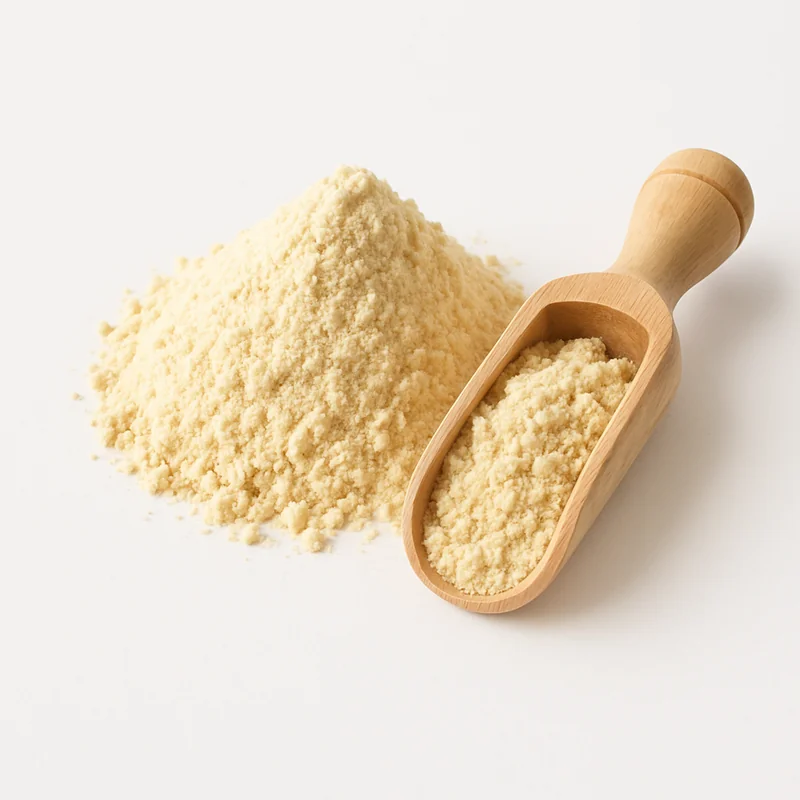
Soy Flour
ScoreA+
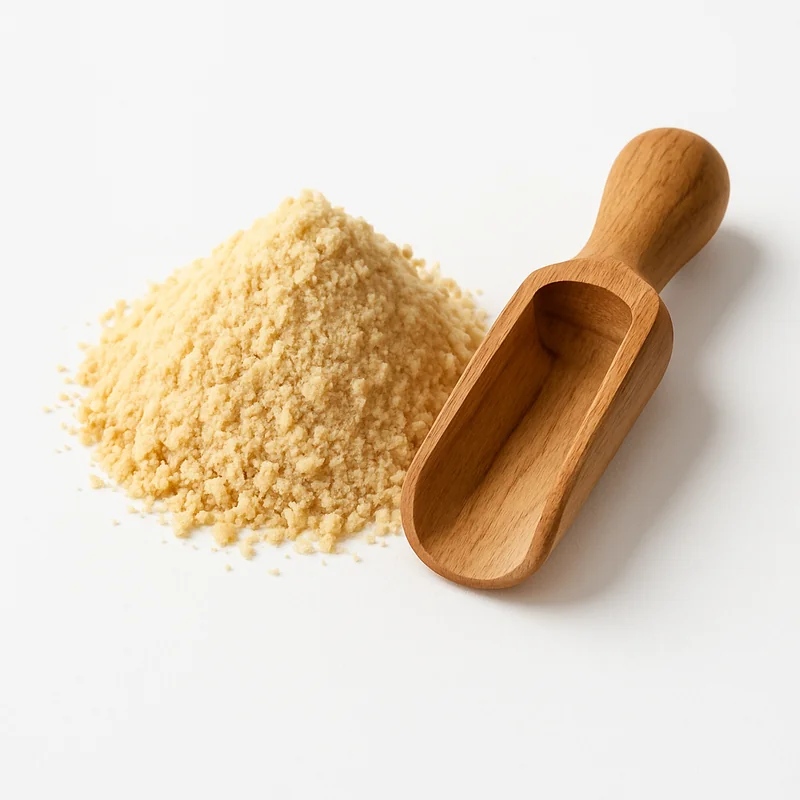
Soy flour is a nutrient-dense legume powder delivering 50g of complete protein per 100g, plus exceptional fiber, minerals, and bioactive isoflavones that support metabolic and cardiovascular health.
Why Soy Flour scores 95
% Daily Value per 1 oz (30 g)
Nutrition
per 100 g
Health benefits
Enhanced cardiovascular health and reduced blood pressure
strong evidenceHigh potassium content (2,090mg/100g) supports vascular function and sodium-potassium balance; isoflavones improve endothelial function and reduce arterial stiffness
Complete plant-based protein supporting muscle maintenance in aging
strong evidence50g complete protein per 100g with optimal branched-chain amino acid profile stimulates muscle protein synthesis and prevents sarcopenia
Improved bone density and reduced osteoporosis risk
moderate evidenceIsoflavones, particularly genistein, act as phytoestrogens promoting osteoblast activity; combined with 285mg calcium per 100g supports bone mineral density
Enhanced metabolic health and improved lipid profiles
strong evidenceSoluble fiber and isoflavones reduce LDL cholesterol oxidation and improve HDL/LDL ratios; 16g dietary fiber promotes healthy glucose metabolism
Cognitive function support through choline and folate
moderate evidence192mg choline and 289mcg folate per 100g are essential for acetylcholine synthesis and methylation pathways critical for neuroplasticity and dementia prevention
Pairs well with
- ·Pair with vitamin C-rich foods (citrus, bell peppers, tomatoes) to enhance non-heme iron absorption from soy flour's 8.2mg iron per 100g
- ·Combine with omega-3 sources (ground flaxseed, chia seeds) to synergize anti-inflammatory effects and optimize polyunsaturated fat ratio
- ·Mix with leafy greens (spinach, kale) to enhance bioavailability of both soy's isoflavones and greens' fat-soluble vitamins through combined lipid content
- ·Pair with fermented foods (tempeh, miso, yogurt) to improve isoflavone metabolism through established gut microbiota pathways
Practical tips
- ·Best timing: Soy flour's complete protein profile, slow-digesting fiber, and stable nutrient density make it suitable throughout the day. Post-workout timing optimizes muscle protein synthesis, while pre-meal consumption can moderate blood glucose spikes.
- ·Store soy flour in an airtight container in a cool, dark place or refrigerate after opening to prevent oxidation of polyunsaturated fats; shelf life is 6-8 months when properly stored
- ·Use defatted soy flour (lower fat content) if cardiovascular lipid management is priority; full-fat soy flour (8.9g fat/100g) provides superior absorption of fat-soluble isoflavones
- ·Start with 2-3 tablespoons daily mixed into smoothies, baked goods, or pancake batter to assess tolerance; some individuals experience bloating until gut flora adapts (typically 2-3 weeks)
- ·Source non-GMO or organic soy flour when possible to minimize pesticide residues; look for products with minimal processing to preserve heat-sensitive isoflavones
- ·Combine with resistant starch sources (green plantains, cooled potatoes) to maximize prebiotic effects and secondary bile acid production supporting cardiovascular health
Related foods
What is Soy Flour actually covering?
See which nutrients your diet already delivers and which ones your supplements still need to — food and pills measured on the same scale.
Check my nutrients2 questions · free · no account needed to start
Also on iPhone — get the free app
Evidence-based supplement guides, no spam
We send a short digest when new guides drop — nothing else. No affiliate pushes, no sponsored content, unsubscribe anytime.