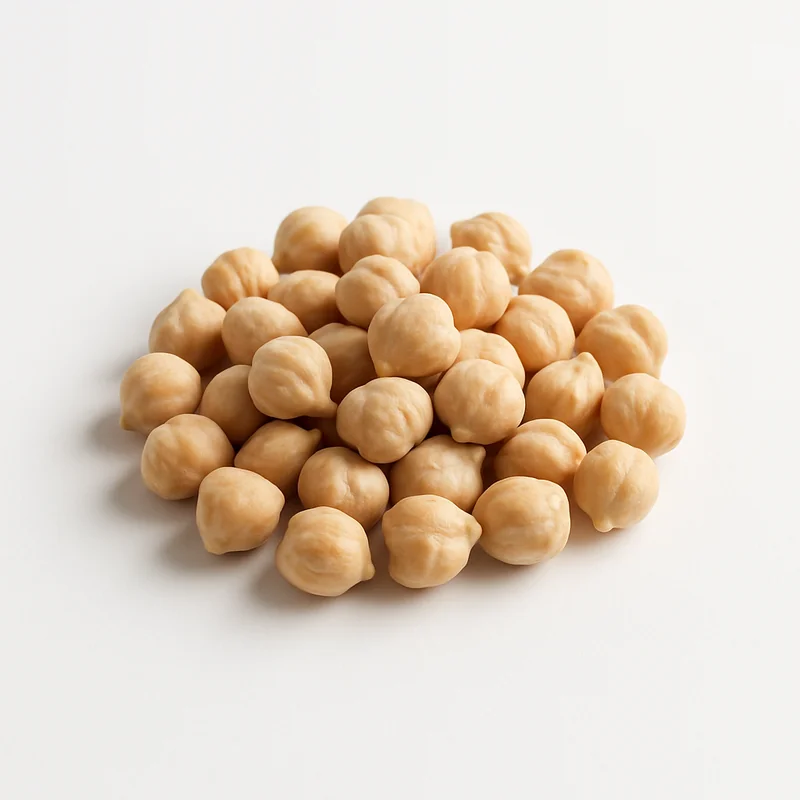
Chickpeas (Garbanzo Beans, Bengal Gram)
ScoreA+
Chickpeas are nutrient-dense legumes providing 20g protein and 12g fiber per 100g, making them a cornerstone plant-based protein source for sustained energy and metabolic health.
Why Chickpeas (Garbanzo Beans, Bengal Gram) scores 95
% Daily Value per ½ cup (90 g)
Nutrition
per 100 g
Health benefits
Improved blood sugar control and reduced diabetes risk
strong evidenceHigh soluble fiber and resistant starch slow glucose absorption and increase short-chain fatty acid production by beneficial gut bacteria, enhancing insulin sensitivity
Enhanced cardiovascular health and cholesterol management
strong evidenceSoluble fiber binds cholesterol and bile acids; saponins and polyphenols reduce LDL oxidation; potassium supports healthy blood pressure
Sustained energy and improved satiety
moderate evidenceComplete amino acid profile combined with 12g fiber per 100g creates prolonged fullness, stabilizes blood glucose, and prevents energy crashes
Gut microbiota diversity and metabolic health
moderate evidenceResistant starch acts as prebiotic substrate; fiber increases butyrate-producing bacteria associated with longevity and reduced inflammation
Cognitive support and neuroprotection
emerging evidenceCholine content supports acetylcholine synthesis; folate enables DNA methylation; polyphenols cross blood-brain barrier with antioxidant effects
Pairs well with
- ·Pair with turmeric and black pepper because curcumin absorption increases 2000% with piperine, and both foods share anti-inflammatory mechanisms
- ·Combine with vitamin C sources (lemon, tomato, bell pepper) to enhance non-heme iron absorption from chickpeas by 3-4 fold
- ·Mix with olive oil in hummus because fat-soluble polyphenols are better absorbed with lipids, and olive polyphenols have synergistic antioxidant effects
- ·Serve with whole grains (quinoa, farro) to create complete amino acid profile with all 9 essential amino acids in optimal ratios
Practical tips
- ·Best timing: midday
- ·Cook dried chickpeas and cool in refrigerator for 12+ hours to maximize resistant starch formation; reheating does not reduce resistant starch content
- ·Soak dried chickpeas for 8-12 hours and discard soaking water to reduce phytic acid by 50%, improving mineral bioavailability of iron, zinc, and magnesium
- ·Store cooked chickpeas in airtight containers for up to 5 days; freeze cooked portions for up to 3 months to preserve nutritional integrity
- ·Consume 1-2 cups cooked chickpeas weekly (approximately 250-500g) to achieve meaningful prebiotic fiber intake without digestive distress; introduce gradually if unaccustomed to legumes
- ·Sprouting dried chickpeas for 2-3 days increases folate bioavailability and reduces enzyme inhibitors; sprouted versions have 30% more vitamin C
Related foods
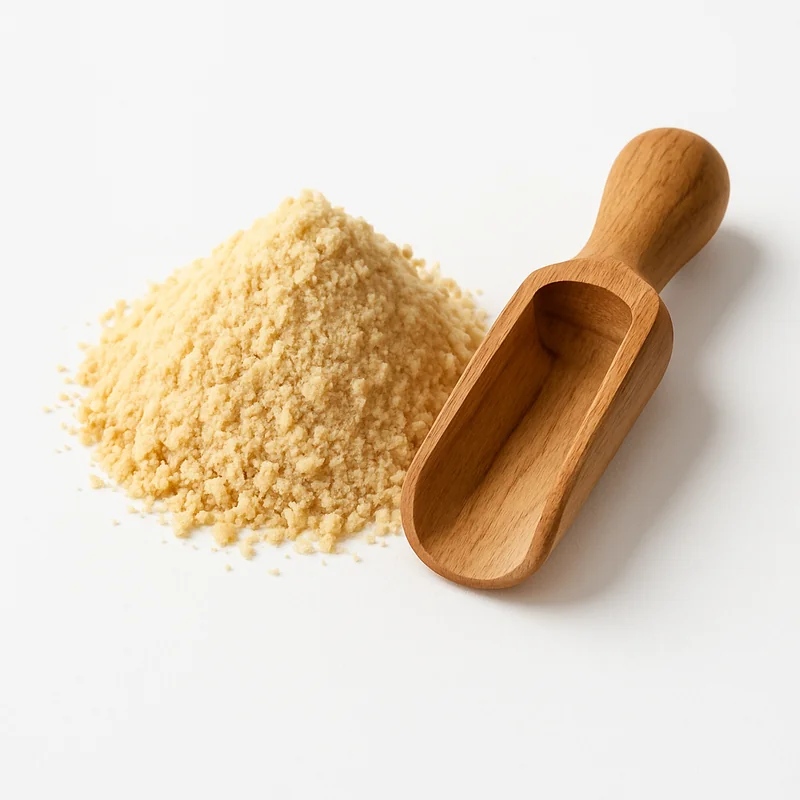
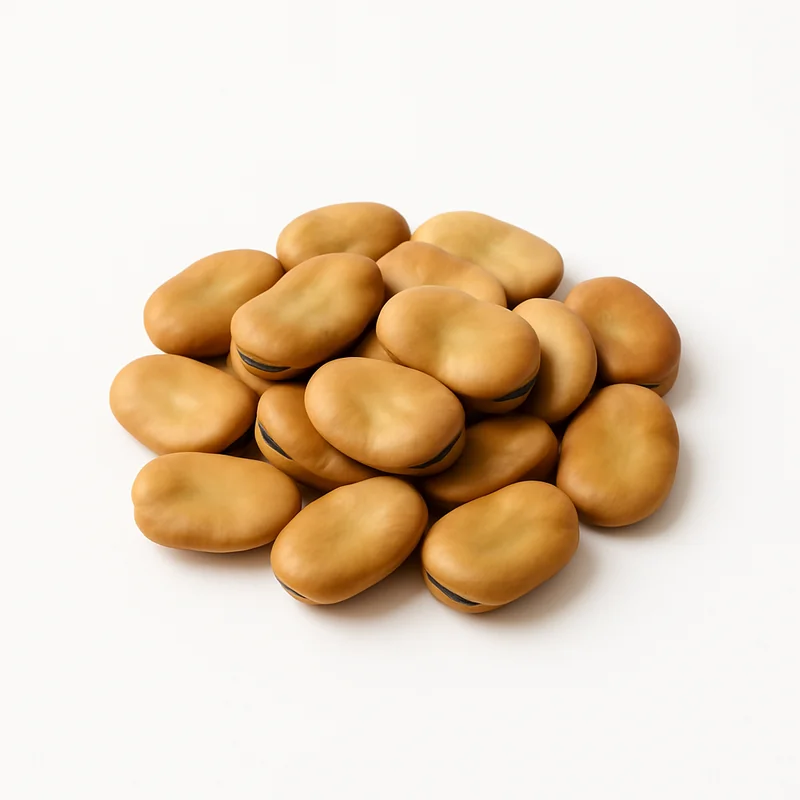
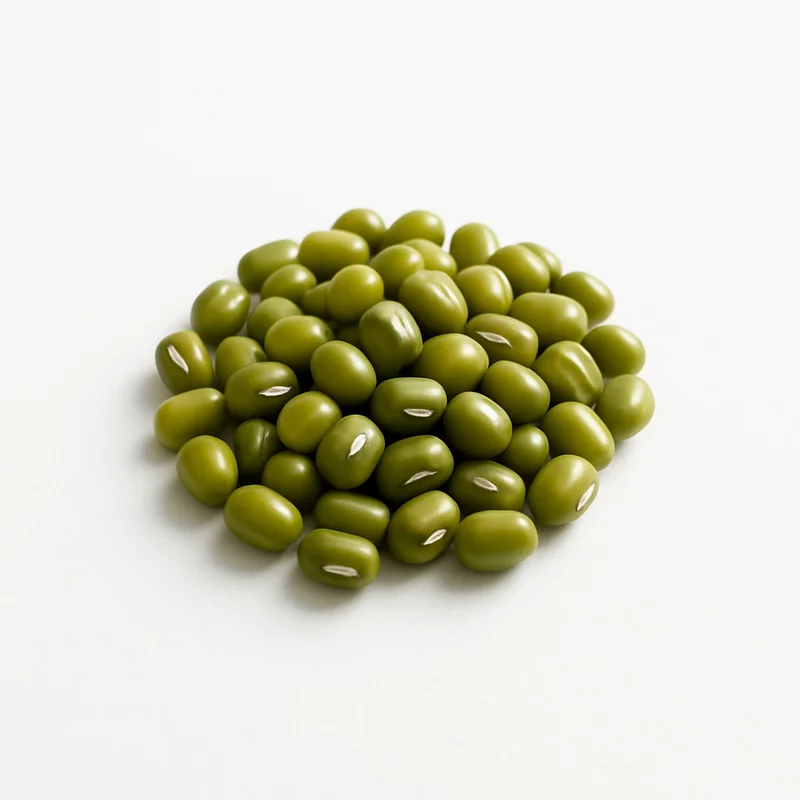
What is Chickpeas (Garbanzo Beans, Bengal Gram) actually covering?
See which nutrients your diet already delivers and which ones your supplements still need to — food and pills measured on the same scale.
Check my nutrients2 questions · free · no account needed to start
Also on iPhone — get the free app
Evidence-based supplement guides, no spam
We send a short digest when new guides drop — nothing else. No affiliate pushes, no sponsored content, unsubscribe anytime.