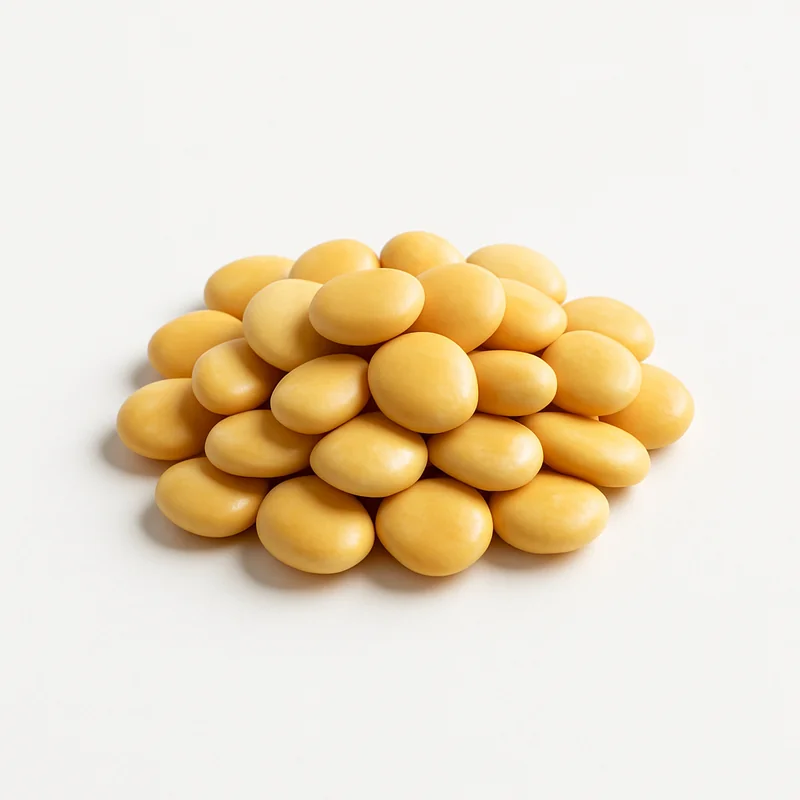
Lupin
ScoreA+
Lupin is a nutrient-dense legume with exceptional protein (36g/100g) and fiber (19g/100g) content, making it a plant-based powerhouse for sustained energy and metabolic health.
Why Lupin scores 94
% Daily Value per ½ cup (90 g)
Nutrition
per 100 g
Health benefits
Supports lean muscle maintenance and protein synthesis
strong evidenceLupin's complete amino acid profile provides all essential amino acids necessary for muscle protein synthesis; its 36g protein per 100g rivals many animal sources while remaining plant-based
Improves insulin sensitivity and blood glucose control
moderate evidenceHigh fiber content slows glucose absorption; bioactive alkaloid γ-conglutin enhances insulin receptor signaling; resistant starch promotes favorable gut microbiota composition that improves glycemic response
Supports cardiovascular and bone health
strong evidenceHigh potassium (1013mg/100g) and magnesium (198mg/100g) support vasodilation and blood pressure regulation; phosphorus and magnesium synergize for bone mineral density; polyphenols reduce systemic inflammation
Enhances gut microbiome diversity and short-chain fatty acid production
moderate evidenceExceptional fiber content (18.9g/100g), including insoluble and soluble fractions, feeds beneficial bacteria; produces butyrate, which strengthens intestinal barrier and reduces inflammation
Reduces cardiovascular disease risk through cholesterol and inflammation management
moderate evidenceSoluble fiber binds bile acids and cholesterol; polyphenolic compounds including phenolic acids act as antioxidants; overall nutrient density supports endothelial function
Pairs well with
- ·Pair with vitamin C-rich foods (tomatoes, bell peppers, citrus) to enhance non-heme iron bioavailability from lupin's 4.36mg iron per 100g
- ·Combine with healthy fats (olive oil, avocado, nuts) to optimize absorption of fat-soluble vitamin E and enhance polyphenol bioavailability
- ·Mix with fermented foods (sauerkraut, tempeh, kimchi) to leverage synergistic effects on gut microbiota diversity and short-chain fatty acid production
- ·Pair with whole grains (quinoa, brown rice) to create a complete amino acid profile and achieve optimal carbohydrate-to-protein ratios for sustained energy
Practical tips
- ·Best timing: midday
- ·Purchase soaked or canned lupin beans (flash-frozen or packaged) rather than raw; traditional bitter alkaloid removal requires extensive soaking and boiling, which is time-intensive
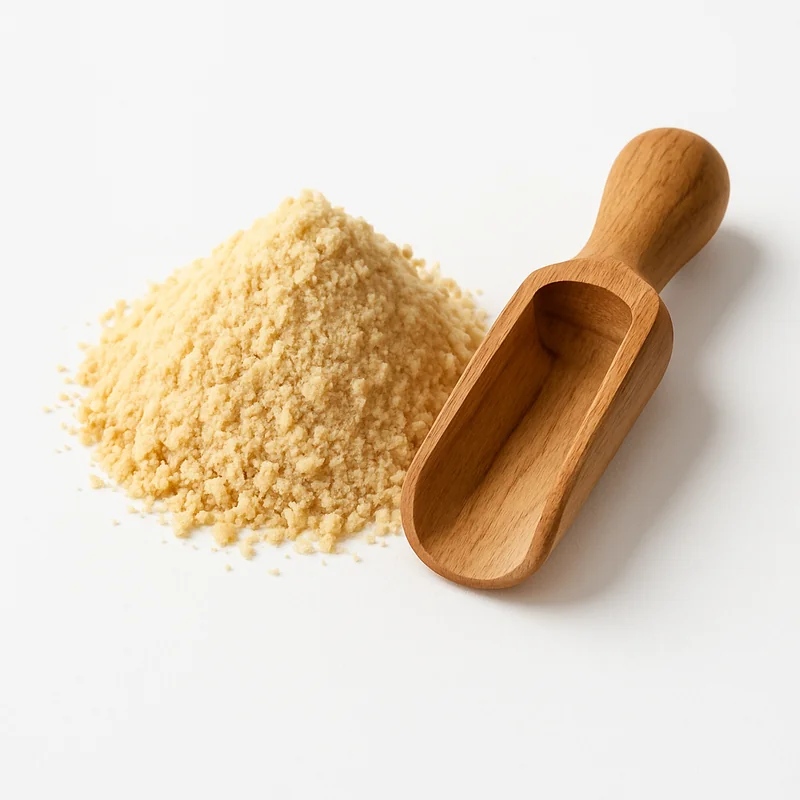
- ·Incorporate lupin flour into baked goods at 5-10% substitution to add protein and fiber without compromising texture; lupin flour contains less gluten than wheat, making it ideal for low-gluten formulations
- ·Store dried lupin seeds in an airtight container in cool, dry conditions for up to 12 months; canned versions keep refrigerated for 5-7 days after opening
- ·Start with small portions (25-50g) if new to lupin to allow gut microbiota to adapt to increased fiber intake and minimize bloating; gradually increase over 2-3 weeks
- ·Toast lupin seeds lightly before eating to enhance nutty flavor and improve digestibility; roasting can reduce any residual bitter compounds
Related foods
What is Lupin actually covering?
See which nutrients your diet already delivers and which ones your supplements still need to — food and pills measured on the same scale.
Check my nutrients2 questions · free · no account needed to start
Also on iPhone — get the free app
Evidence-based supplement guides, no spam
We send a short digest when new guides drop — nothing else. No affiliate pushes, no sponsored content, unsubscribe anytime.