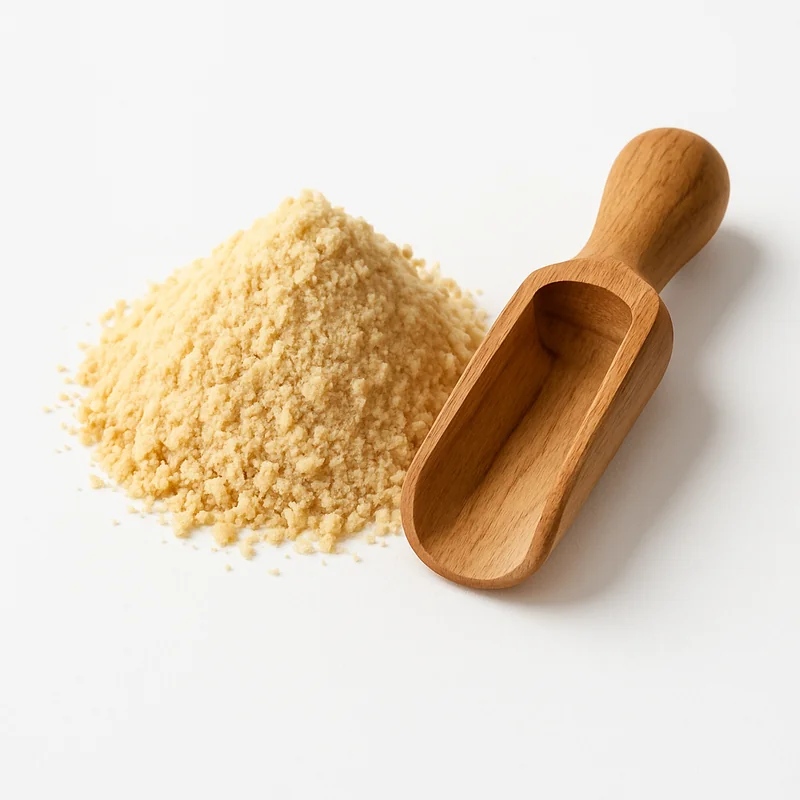
Peanut Flour
ScoreA+
Peanut flour is a defatted legume powder with exceptional protein density (33.8g per 100g) and substantial fiber content, making it a versatile ingredient for sustained energy and muscle support.
Why Peanut Flour scores 94
% Daily Value per 1 oz (30 g)
Nutrition
per 100 g
Health benefits
Muscle preservation and recovery support
strong evidenceHigh protein content (33.8g per 100g) with complete essential amino acids supports muscle protein synthesis, particularly important for maintaining lean mass during aging and post-exercise recovery.
Cardiovascular disease risk reduction
strong evidencePolyphenols (resveratrol, procyanidins) and monounsaturated fats improve endothelial function and reduce LDL oxidation, while potassium supports blood pressure regulation.
Glycemic stability and metabolic health
moderate evidenceHigh fiber (15.8g per 100g) and protein slow glucose absorption, reducing postprandial blood sugar spikes and supporting insulin sensitivity over time.
Gut microbiome diversity enhancement
moderate evidenceResistant starch and dietary fiber serve as prebiotics, promoting growth of short-chain fatty acid-producing bacteria linked to reduced inflammation and improved metabolic health.
Antioxidant and anti-inflammatory support
moderate evidencePolyphenol content neutralizes reactive oxygen species and modulates inflammatory pathways, supporting cellular protection and reducing chronic disease risk.
Pairs well with
- ·Pair with vitamin C-rich citrus or berries to enhance iron absorption from the peanut flour's plant-based iron, as ascorbic acid reduces ferric to more bioavailable ferrous form.
- ·Combine with fatty fish or flaxseeds to optimize absorption of fat-soluble compounds and provide complementary omega-3s alongside peanut flour's polyunsaturated fats.
- ·Mix with whole grains (oats, quinoa) to create complete protein profiles with all essential amino acids in optimal ratios for muscle synthesis.
- ·Pair with leafy greens to leverage synergistic antioxidant effects and enhance mineral bioavailability through diverse polyphenol profiles.
Practical tips
- ·Best timing: post-workout
- ·Store peanut flour in an airtight container in the refrigerator or freezer to prevent oxidative rancidity of residual oils; unopened shelf-stable products last 6-12 months.
- ·Use as a 1:1 flour substitute in baking recipes calling for wheat flour, but reduce liquid by 10-15% as peanut flour absorbs more moisture due to high protein content.
- ·Blend 2 tablespoons into Greek yogurt or unsweetened plant-based milk as a quick 10g protein boost without the fat content of whole peanut butter.
- ·Select non-GMO, single-origin peanut flour with minimal processing to preserve bioactive polyphenol content and reduce aflatoxin contamination risk.
- ·Incorporate into energy balls with dates and coconut oil as a portable post-workout snack delivering both protein and carbohydrates for muscle recovery.
Related foods
What is Peanut Flour actually covering?
See which nutrients your diet already delivers and which ones your supplements still need to — food and pills measured on the same scale.
Check my nutrients2 questions · free · no account needed to start
Also on iPhone — get the free app
Evidence-based supplement guides, no spam
We send a short digest when new guides drop — nothing else. No affiliate pushes, no sponsored content, unsubscribe anytime.