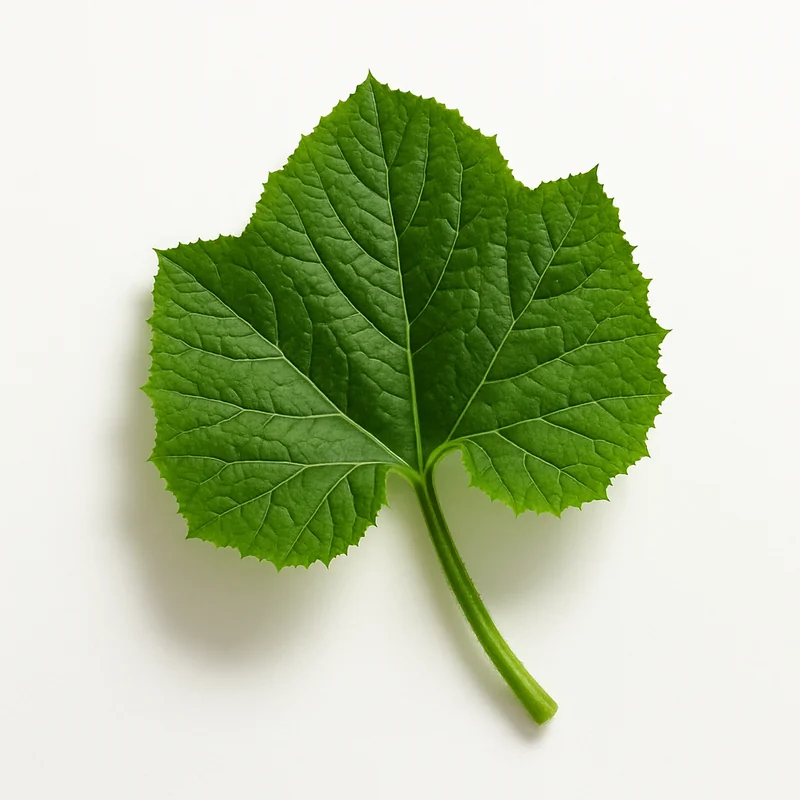
Pumpkin Leave
ScoreA
Pumpkin leaves are nutrient-dense leafy greens with exceptional vitamin K and iron content, making them a powerful addition to any longevity-focused diet.
Why Pumpkin Leave scores 76
% Daily Value per ½ cup (85 g)
Nutrition
per 100 g
Health benefits
Enhanced bone health and fracture prevention through superior vitamin K intake
strong evidenceVitamin K (108 mcg/100g) activates osteocalcin, a protein critical for bone mineralization and calcium binding to the bone matrix, improving bone density and reducing fracture risk with age
Improved iron status and reduced anemia risk, particularly for plant-based eaters
moderate evidenceHigh iron content (3.2 mg/100g) combined with vitamin C co-consumption enhances non-heme iron absorption through reduction of ferric to ferrous iron forms
Cardiovascular support and blood pressure regulation
moderate evidenceHigh potassium-to-sodium ratio (438:8) supports endothelial function, reduces sodium-induced vasoconstriction, and promotes healthy vascular compliance
Cognitive and neurological support through choline and folate content
moderate evidenceCholine (21 mg) and folate (25 mcg) support acetylcholine synthesis and one-carbon methylation pathways essential for neuroplasticity and cognitive reserve
Metabolic and inflammatory regulation through polyphenol compounds
emerging evidencePumpkin leaves contain chlorophyll and carotenoids that modulate NF-κB signaling and reduce oxidative stress markers in circulation
Pairs well with
- ·Pair with lemon juice or tomatoes because vitamin C enhances non-heme iron bioavailability by 3-4 fold, maximizing the iron benefit from the leaves
- ·Combine with healthy fats (olive oil, sesame oil, nuts) because fat-soluble vitamins K and A require lipid presence for intestinal absorption
- ·Serve alongside garlic or onions because organosulfur compounds may enhance antioxidant and anti-inflammatory effects through synergistic polyphenol interactions
- ·Mix into bone broth or soups because gentle cooking increases chlorophyll extraction and makes minerals more bioavailable while preserving heat-stable vitamin K
Practical tips
- ·Best timing: midday
- ·Select young, tender pumpkin leaves with vibrant green color and no yellowing; older leaves may be bitter and tougher
- ·Store in a humid drawer or sealed container for up to 5 days; blanch and freeze for longer storage to preserve nutrient density
- ·Wash thoroughly before use as leaves may trap soil; prepare by removing thick central stems if they are overly fibrous
- ·Lightly steam or sauté rather than boiling to minimize leaching of water-soluble nutrients like folate and potassium
- ·Consume regularly (3-4 times weekly) to accumulate bone-supporting vitamin K intake; single meals may not provide sufficient cumulative effect
Related foods
What is Pumpkin Leave actually covering?
See which nutrients your diet already delivers and which ones your supplements still need to — food and pills measured on the same scale.
Check my nutrients2 questions · free · no account needed to start
Also on iPhone — get the free app
Evidence-based supplement guides, no spam
We send a short digest when new guides drop — nothing else. No affiliate pushes, no sponsored content, unsubscribe anytime.