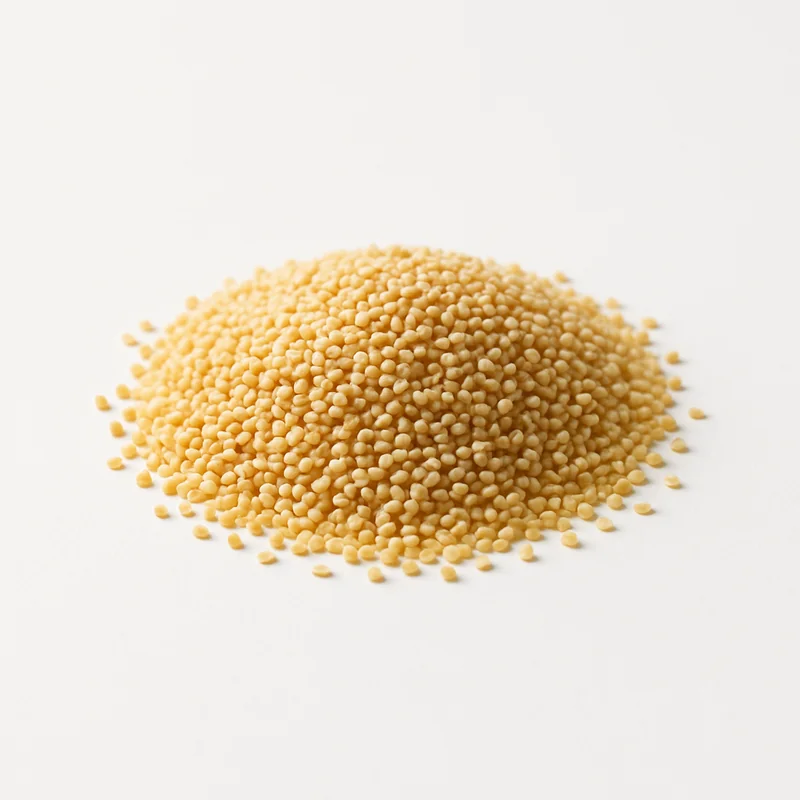
Amaranth Grain
ScoreA
Amaranth is a gluten-free pseudocereal with exceptional protein content (13.56g per 100g) and a complete amino acid profile, making it a nutrient-dense grain alternative rich in minerals and fiber.
Why Amaranth Grain scores 85
% Daily Value per ½ cup (50 g)
Nutrition
per 100 g
Health benefits
Complete protein source with all 9 essential amino acids
strong evidenceAmaranth's amino acid profile, including high lysine levels (often deficient in grains), supports muscle maintenance, collagen synthesis, and immune function critical for healthy aging
Enhanced mineral bioavailability and bone health support
strong evidenceHigh magnesium (248mg), phosphorus (557mg), and calcium (159mg) in optimal ratios promote bone mineral density, reduce fracture risk, and support cardiovascular mineralization
Improved glycemic control and metabolic stability
moderate evidence6.7g fiber and resistant starch slow glucose absorption, reduce postprandial blood sugar spikes, and promote satiety through improved insulin sensitivity
Anti-inflammatory and antioxidant protection
emerging evidenceSqualene and polyphenols in amaranth reduce systemic inflammation and oxidative stress, potentially lowering cardiovascular and neurodegenerative disease risk
Improved iron status without heme iron dependence
moderate evidence7.61mg iron per 100g combined with naturally present vitamin C (4.2mg) enhances non-heme iron absorption, critical for oxygen transport and mitochondrial function
Pairs well with
- ·Pair with citrus fruits (orange, lemon) or tomatoes because their vitamin C significantly enhances non-heme iron absorption from amaranth
- ·Combine with leafy greens (spinach, kale) because complementary folate and choline support methylation and cognitive health
- ·Mix with legumes (lentils, black beans) because synergistic amino acid profiles create a complete protein with all essential amino acids
- ·Cook with bone broth or grass-fed gelatin because complementary minerals (calcium, magnesium) and collagen enhance skeletal and joint integrity
Practical tips
- ·Best timing: midday
- ·Toast amaranth seeds for 2-3 minutes before cooking to enhance nutty flavor and reduce anti-nutritive factors, improving mineral bioavailability
- ·Use a 1:3 grain-to-liquid ratio and simmer for 20-25 minutes; properly cooked amaranth becomes creamy without mushiness and releases starches that act as prebiotic fiber
- ·Store in airtight containers in cool, dark conditions for up to 12 months; the 7% fat content (primarily unsaturated) oxidizes slowly, making amaranth more shelf-stable than many grains
- ·Sprout amaranth for 2-3 days to activate enzymes and reduce phytic acid by 30-50%, significantly improving mineral absorption rates
- ·Use amaranth flour (finely ground) for 20-30% of baking recipes rather than 100% to maintain structural integrity while boosting protein and mineral content
Related foods
What is Amaranth Grain actually covering?
See which nutrients your diet already delivers and which ones your supplements still need to — food and pills measured on the same scale.
Check my nutrients2 questions · free · no account needed to start
Also on iPhone — get the free app
Evidence-based supplement guides, no spam
We send a short digest when new guides drop — nothing else. No affiliate pushes, no sponsored content, unsubscribe anytime.