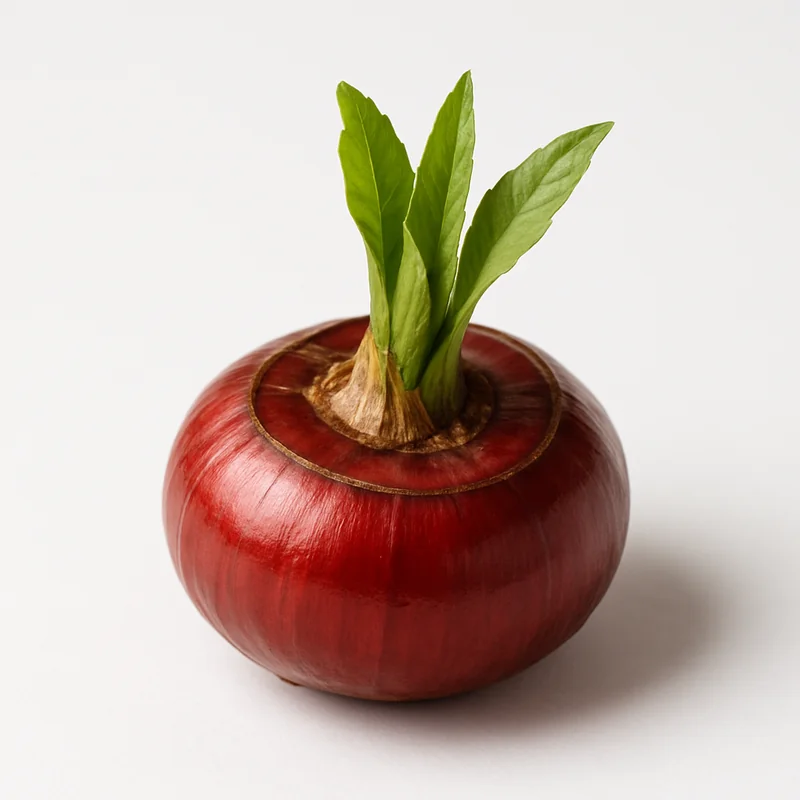
Waterchestnut
ScoreA
Water chestnuts are aquatic vegetable tubers with a crisp texture and mild sweetness, providing low-calorie carbohydrates, potassium, and fiber with minimal fat.
Why Waterchestnut scores 79
% Daily Value per ½ cup (85 g)
Nutrition
per 100 g
Health benefits
Supports cardiovascular health through potassium-dependent blood pressure regulation
strong evidenceHigh potassium content (584 mg/100g) counterbalances sodium, promoting vasodilation and reducing arterial stiffness, which lowers cardiovascular disease risk
Enhances glucose control and supports healthy weight management
moderate evidenceLow glycemic index combined with fiber and resistant starch (when cooled) slows glucose absorption and promotes satiety signaling
Promotes digestive health and favorable gut microbiota composition
moderate evidenceFiber and resistant starch serve as prebiotic substrates for beneficial bacteria, supporting butyrate production and intestinal barrier function
Supports cognitive function and cell membrane integrity
moderate evidenceCholine (36.2 mg) is a precursor for acetylcholine neurotransmitter and phosphatidylcholine, essential for memory and neuronal signaling
Provides antioxidant protection through polyphenol compounds
emerging evidenceWater chestnut polyphenols reduce oxidative stress and may inhibit inflammatory pathways associated with chronic disease
Pairs well with
- ·Pair with black beans or lentils because their fiber synergistically enhances glycemic control and prebiotic effects for gut health
- ·Combine with leafy greens (spinach, bok choy) because the fat-soluble vitamins and minerals in greens enhance choline's bioavailability and cognitive benefits
- ·Mix with fatty fish (salmon, mackerel) because omega-3 fatty acids synergize with choline for enhanced neurological protection
- ·Pair with ginger or turmeric because these spices' anti-inflammatory compounds complement water chestnut's polyphenols for cumulative antioxidant benefit
Practical tips
- ·Best timing: Water chestnuts have a low glycemic index and minimal calories, making them suitable for any meal or snack. When cooled after cooking to maximize resistant starch, they are particularly beneficial with lunch or dinner to support stable evening glucose levels and overnight gut health.
- ·Cook water chestnuts and cool them before eating to maximize resistant starch formation, which has superior prebiotic effects compared to fresh consumption
- ·Store fresh water chestnuts in the refrigerator submerged in water, changing water every 2-3 days, to maintain crispness for up to 2 weeks
- ·Select firm, unblemished water chestnuts and avoid those with soft spots or sprouting; canned varieties are convenient but contain added sodium—rinse thoroughly before use
- ·Incorporate into stir-fries at the end of cooking to preserve texture and heat-sensitive polyphenols, rather than overcooking which reduces antioxidant content
- ·Use as a low-calorie rice substitute in grain bowls (raw, diced) or as a textural element in salads to increase meal volume without excessive calories
Related foods
What is Waterchestnut actually covering?
See which nutrients your diet already delivers and which ones your supplements still need to — food and pills measured on the same scale.
Check my nutrients2 questions · free · no account needed to start
Also on iPhone — get the free app
Evidence-based supplement guides, no spam
We send a short digest when new guides drop — nothing else. No affiliate pushes, no sponsored content, unsubscribe anytime.