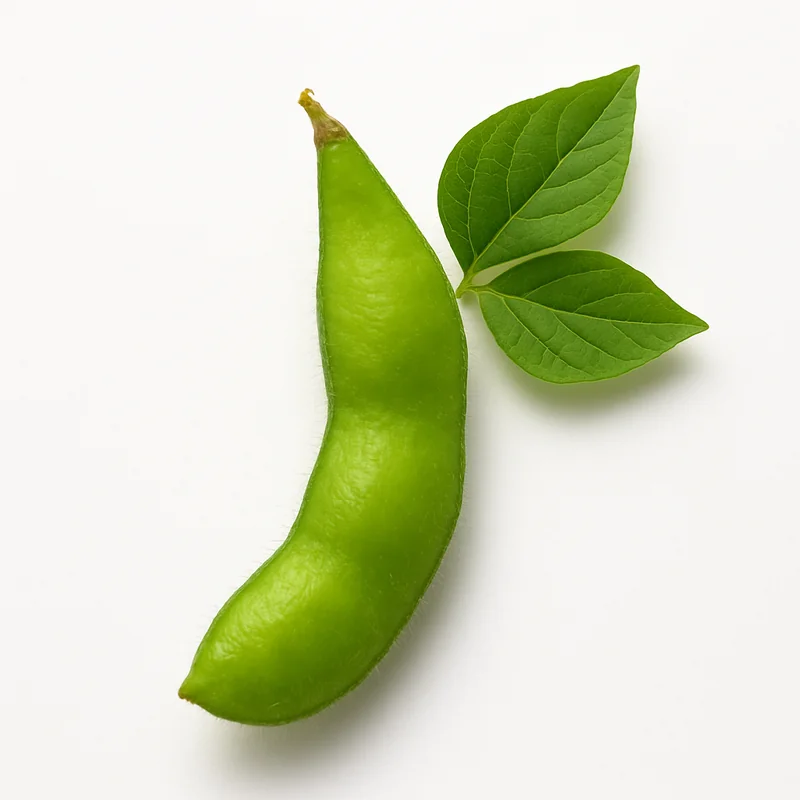
Soybean
ScoreA
Soybeans are legumes rich in complete plant-based protein, containing all nine essential amino acids, along with bioactive compounds like isoflavones and saponins that support cardiovascular and metabolic health.
Why Soybean scores 87
% Daily Value per ½ cup (85 g)
Nutrition
per 100 g
Health benefits
Complete plant-based protein synthesis and muscle maintenance
strong evidenceSoybeans contain all nine essential amino acids in adequate ratios, enabling muscle protein synthesis equivalent to animal proteins; leucine content particularly stimulates mTOR-mediated muscle building pathways
Cardiovascular risk reduction and improved lipid profiles
strong evidenceSoy isoflavones (genistein, daidzein) and saponins improve endothelial function, reduce LDL oxidation, and enhance nitric oxide bioavailability; soy protein itself lowers LDL cholesterol independent of lipid changes
Enhanced bone mineral density and osteoporosis prevention
moderate evidenceIsoflavones act as selective estrogen receptor modulators (SERMs), reducing bone resorption; concurrent magnesium and phosphorus content supports mineralization; particularly relevant for postmenopausal women
Improved hepatic function and lipid metabolism
moderate evidenceHigh choline content supports phosphatidylcholine synthesis, reducing hepatic lipid accumulation (NAFLD prevention); methyl-donor activity optimizes methylation cycles critical for detoxification
Cognitive function and neuroinflammation reduction
emerging evidenceCholine is a precursor for acetylcholine and phosphatidylcholine in neuronal membranes; isoflavones demonstrate neuroprotective effects via antioxidant and anti-inflammatory pathways in preclinical models
Pairs well with
- ·Pair with citrus (orange, lemon) or tomatoes because vitamin C enhances non-heme iron bioavailability from soybeans by 2-3 fold, increasing iron absorption efficiency
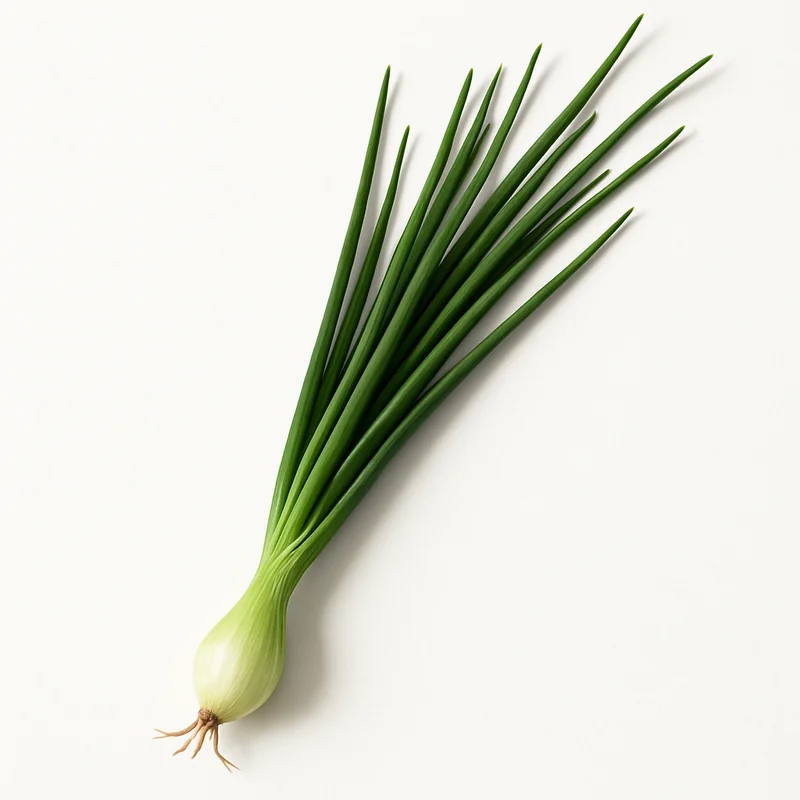
- ·Combine with allium vegetables (garlic, onion) because organosulfur compounds synergize with soy isoflavones to enhance antioxidant and anti-inflammatory pathways
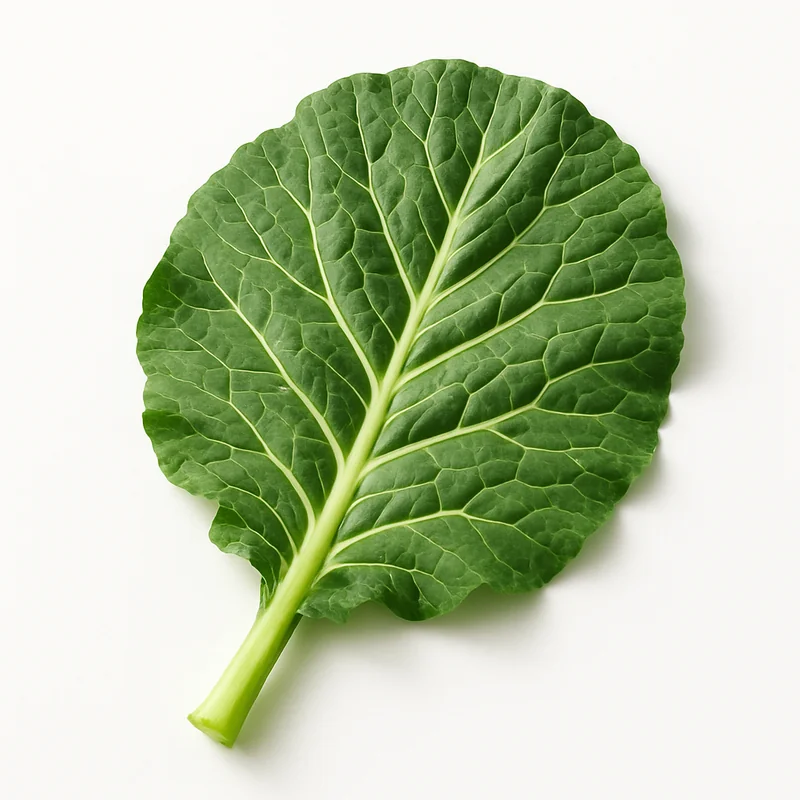
- ·Pair with cruciferous vegetables (broccoli, cabbage) because both are estrogen metabolism modulators; the combination may optimize estrobolome balance and SHBG levels
- ·Combine with turmeric or ginger because curcumin and gingerols enhance isoflavone bioavailability and amplify anti-inflammatory signaling through shared molecular pathways
Practical tips
- ·Best timing: midday
- ·Choose fermented soy products (tempeh, miso, natto) when possible over unfermented forms; fermentation increases bioavailability of isoflavones and eliminates antinutrients like phytic acid and trypsin inhibitors
- ·Soak dried soybeans for 8-12 hours before cooking to reduce oligosaccharide content (which causes digestive gas) and further reduce phytic acid; discard soaking water
- ·Store cooked soybeans in airtight containers at 4°C for up to 5 days, or freeze for up to 3 months; avoid heating soybeans repeatedly as this degrades heat-sensitive isoflavones
- ·Consume 1-2 servings (¼-½ cup cooked) daily to obtain meaningful isoflavone content (25-40 mg) supported by longevity research without exceeding excessive intake levels
- ·If using soy milk or supplements, verify third-party testing for heavy metals (cadmium, arsenic) as soybeans can accumulate these elements depending on soil conditions
Related foods
What is Soybean actually covering?
See which nutrients your diet already delivers and which ones your supplements still need to — food and pills measured on the same scale.
Check my nutrients2 questions · free · no account needed to start
Also on iPhone — get the free app
Evidence-based supplement guides, no spam
We send a short digest when new guides drop — nothing else. No affiliate pushes, no sponsored content, unsubscribe anytime.