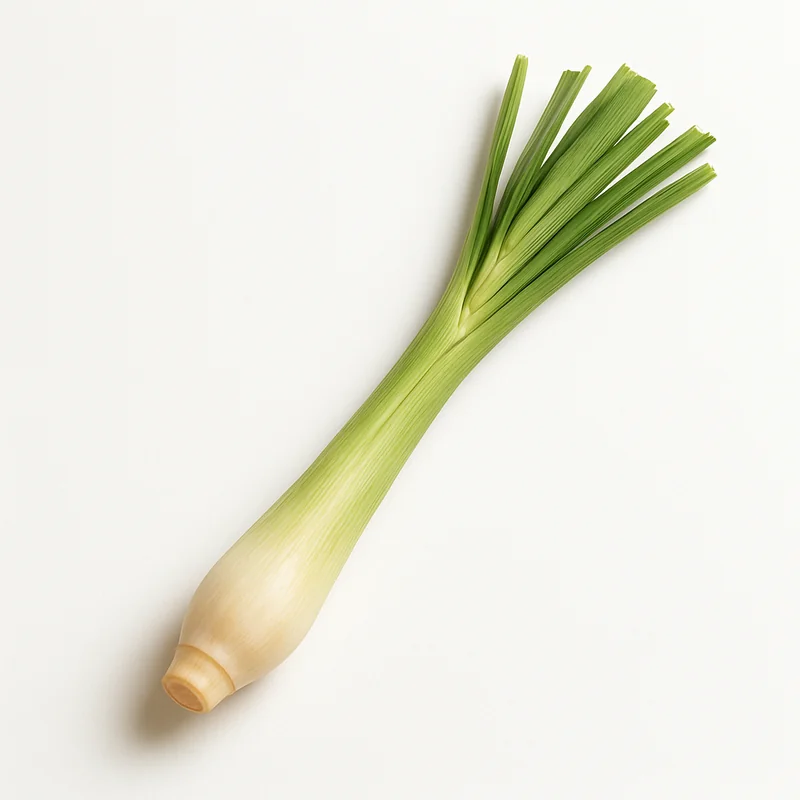
Lemon Grass (Citronella)
ScoreA
Lemongrass is an aromatic tropical herb rich in potassium, iron, and manganese, with a citrusy flavor profile and potential anti-inflammatory and antimicrobial properties.
Why Lemon Grass (Citronella) scores 83
% Daily Value per ½ cup (85 g)
Nutrition
per 100 g
Health benefits
Antimicrobial and digestive support
moderate evidenceCitral and other volatile oils inhibit pathogenic bacteria and fungi while promoting healthy gut motility and reducing bloating through carminative action
Anti-inflammatory response modulation
moderate evidenceEssential oil compounds reduce pro-inflammatory cytokine production and provide oxidative stress protection through polyphenol content
Cardiovascular support via potassium
strong evidenceHigh potassium content (723mg/100g) supports sodium-potassium pump function, regulating blood pressure and reducing hypertension risk
Bone health and metabolic support
moderate evidenceManganese (5.2mg/100g) activates enzymes critical for bone mineralization, collagen synthesis, and antioxidant defense via manganese superoxide dismutase
Stress and anxiety reduction
emerging evidenceVolatile oils, particularly citral, may modulate GABA-like pathways and reduce cortisol-mediated stress responses
Pairs well with
- ·Pair with ginger and turmeric in herbal teas because combined volatile oils and gingerol/curcumin create synergistic anti-inflammatory and digestive effects
- ·Combine with coconut milk in curries because fat-soluble lemongrass compounds (citral, myrcene) have enhanced bioavailability in lipid-rich matrices
- ·Mix with lime juice and fish because vitamin C from citrus enhances non-heme iron absorption from lemongrass (8.17mg iron/100g), critical for plant-based iron optimization
- ·Pair with leafy greens in stir-fries because lemongrass's antimicrobial properties complement chlorophyll-rich vegetables while its potassium additive effect supports mineral density
Practical tips
- ·Best timing: Lemongrass functions as an herbal infusion rather than a nutrient-dense food requiring specific circadian timing. However, consuming as tea 30-60 minutes before meals may optimize digestive benefits, while evening consumption may support stress reduction via volatile oils
- ·Use fresh lemongrass within 2-3 weeks when refrigerated in a plastic bag, or freeze chopped stalks in ice cube trays with water for preserved volatile oil integrity
- ·Bruise or lightly crush fresh stalks before steeping in hot water (not boiling, which degrades volatile oils) for 5-10 minutes to maximize citral extraction
- ·Focus on the pale inner core and lower 10cm of the stalk where volatile oil concentration is highest; remove tough outer layers
- ·Add lemongrass at the end of cooking or as a finishing infusion to preserve heat-sensitive antimicrobial and anxiolytic compounds
- ·Dried lemongrass loses ~40% potency after 6 months; store in airtight containers away from light and heat, or purchase fresh and freeze immediately
Related foods
What is Lemon Grass (Citronella) actually covering?
See which nutrients your diet already delivers and which ones your supplements still need to — food and pills measured on the same scale.
Check my nutrients2 questions · free · no account needed to start
Also on iPhone — get the free app
Evidence-based supplement guides, no spam
We send a short digest when new guides drop — nothing else. No affiliate pushes, no sponsored content, unsubscribe anytime.