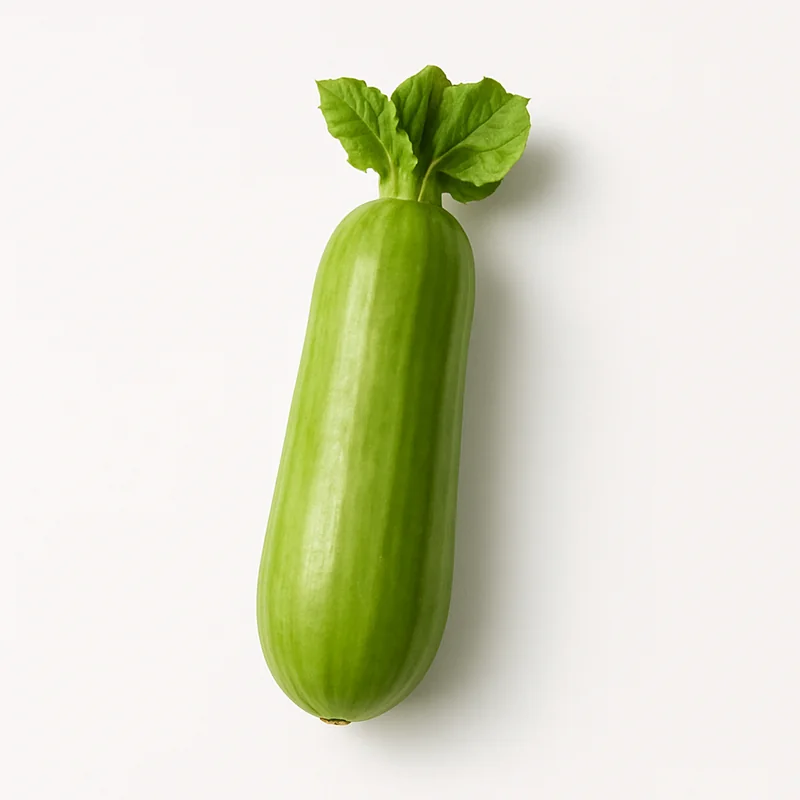
Kanpyo
ScoreA+
Kanpyo is a dried gourd strip (from calabash squash) traditionally used in Japanese cuisine, offering exceptional fiber content and mineral density with minimal calories. It provides substantial potassium, calcium, and iron while remaining low in sodium.
Why Kanpyo scores 91
% Daily Value per a handful (40 g)
Nutrition
per 100 g
Health benefits
Cardiovascular health and blood pressure regulation
strong evidenceHigh potassium (1,582mg per 100g) supports vasodilation and sodium-potassium balance, reducing hypertension risk; low sodium profile prevents fluid retention
Bone density and skeletal integrity
strong evidenceCalcium (280mg) and magnesium (125mg) work synergistically to mineralize bone matrix and regulate osteoblast activity
Digestive health and metabolic endotoxemia reduction
moderate evidencePrebiotic fiber (9.8g) feeds beneficial Faecalibacterium and Akkermansia species, strengthening intestinal barrier function and reducing lipopolysaccharide translocation
Iron bioavailability and oxygen transport
moderate evidenceProvides 5.12mg iron per 100g; dried form concentrates bioavailable non-heme iron; pairing with vitamin C sources enhances absorption
Immune function and zinc-dependent enzyme activity
moderate evidenceZinc content (5.86mg) supports T-cell differentiation, metallothionein synthesis, and barrier function in intestinal epithelium
Pairs well with
- ·Pair with citrus (orange, lemon, grapefruit) because vitamin C dramatically increases non-heme iron absorption through chelation complex formation
- ·Combine with fermented foods (miso, tempeh, kimchi) because probiotics enhance mineral bioavailability and prebiotic fiber fermentation produces short-chain fatty acids
- ·Include with cruciferous vegetables (broccoli, kale) because their sulfur compounds support Phase II detoxification while kanpyo's fiber aids toxin elimination
- ·Mix with fatty fish (salmon, mackerel) because omega-3 lipids enhance calcium absorption and reduce inflammation associated with mineral-deficiency states
Practical tips
- ·Best timing: midday
- ·Rehydrate kanpyo by soaking in warm water for 10-15 minutes until pliable; discard water and rinse thoroughly to remove surface dust and reduce sodium if any is added during drying
- ·Toast dried kanpyo briefly in a dry skillet before rehydration to develop umami notes and improve digestibility by reducing oligosaccharide content
- ·Store unopened packages in cool, dry conditions away from direct light for up to 2 years; once opened, keep in airtight container to maintain moisture barrier and prevent oxidation
- ·Use in vegetable broths, miso soups, or simmered vegetable medleys where the extended cooking time (20-30 minutes) ensures complete gelatinization of cell walls and maximum nutrient accessibility
- ·Include kanpyo 4-5 times weekly as part of a fiber-rich protocol; start with smaller portions (15-20g) if unaccustomed to high fiber to allow microbiome adaptation and minimize gas production
Related foods
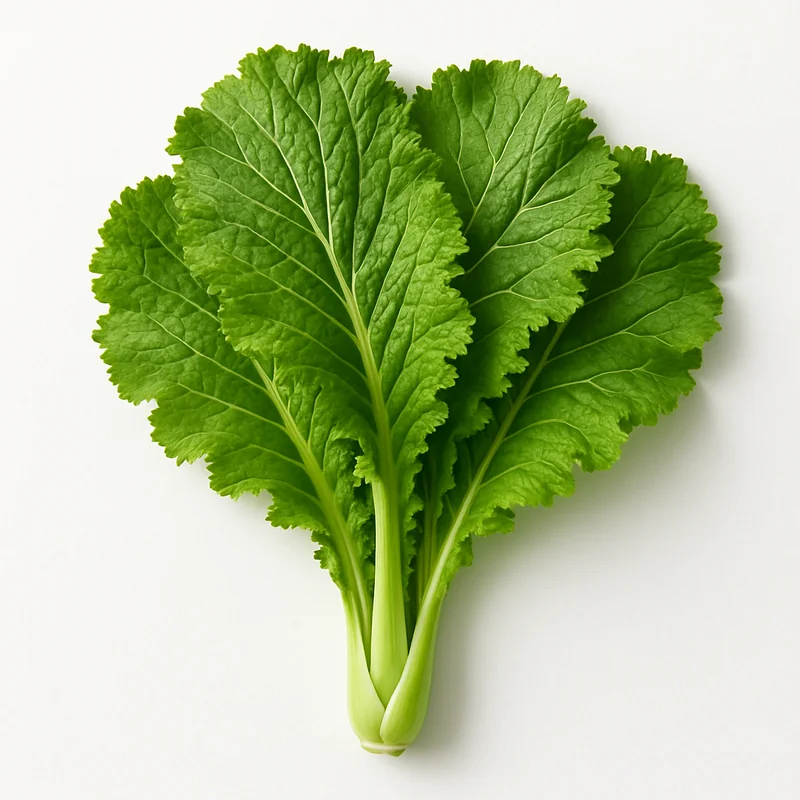
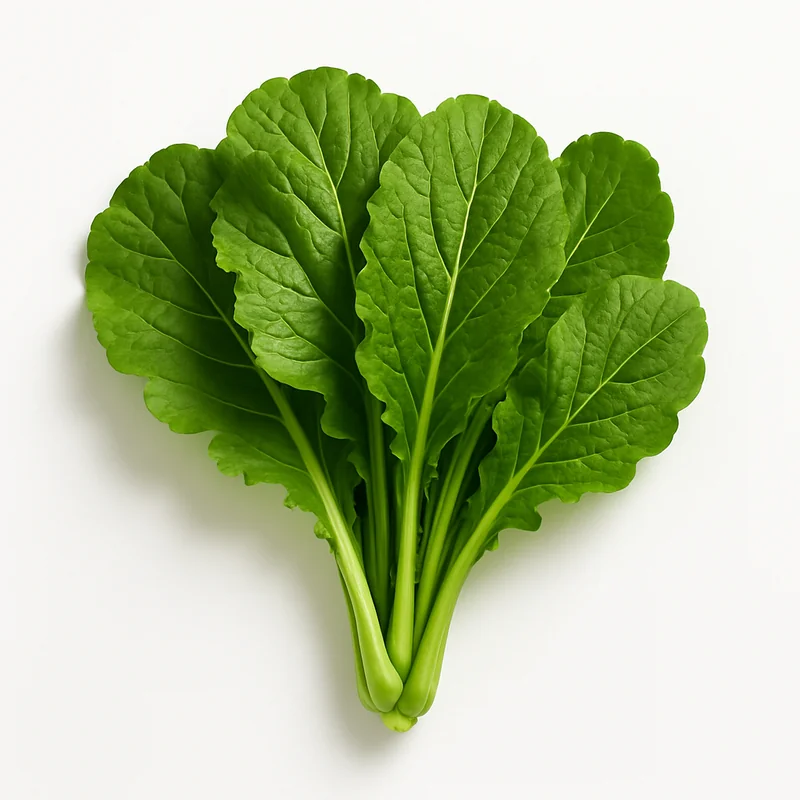
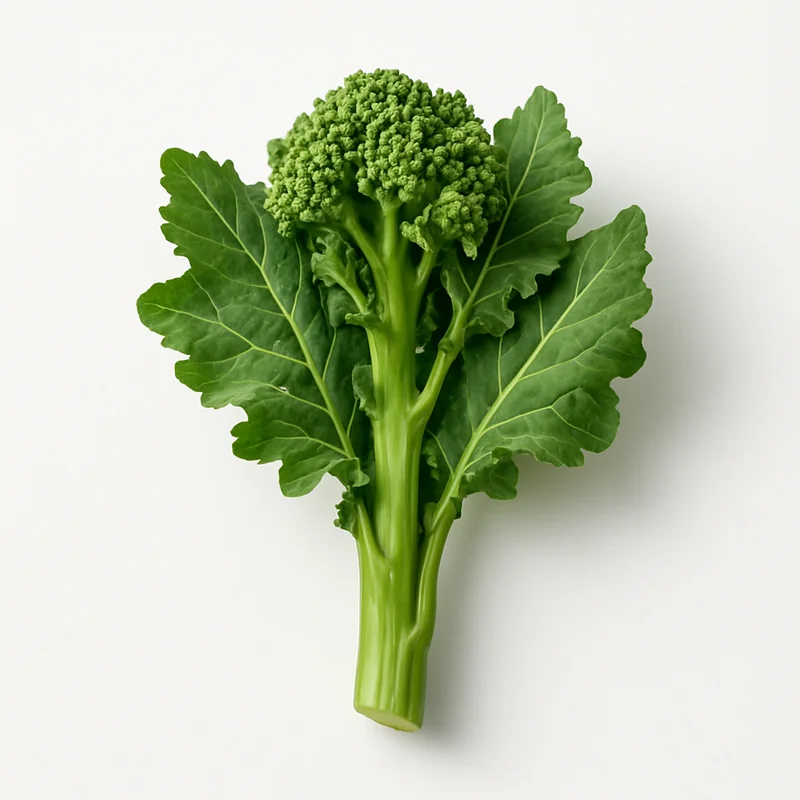
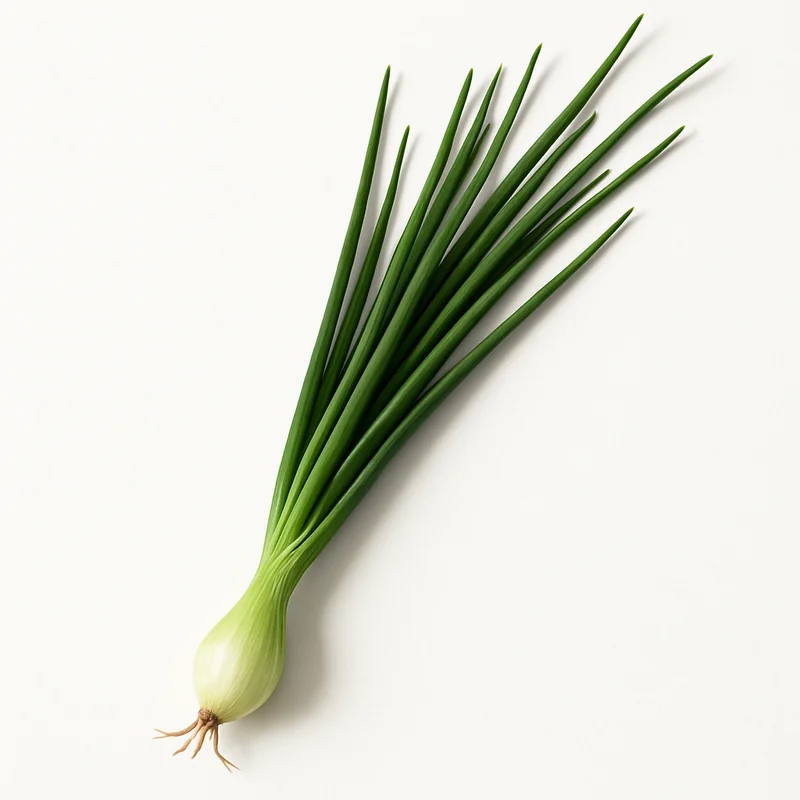
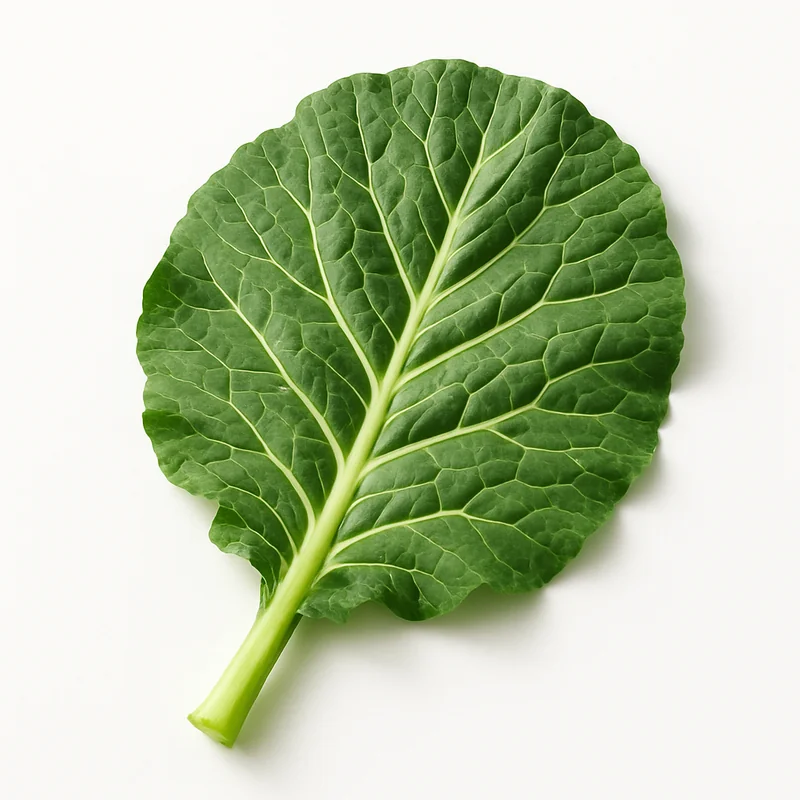
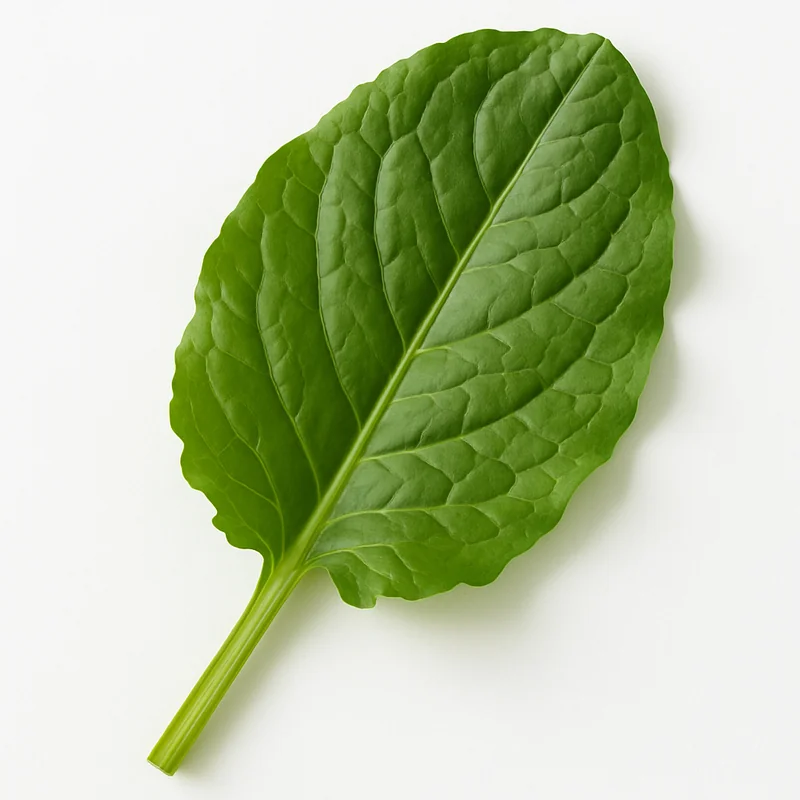
What is Kanpyo actually covering?
See which nutrients your diet already delivers and which ones your supplements still need to — food and pills measured on the same scale.
Check my nutrients2 questions · free · no account needed to start
Also on iPhone — get the free app
Evidence-based supplement guides, no spam
We send a short digest when new guides drop — nothing else. No affiliate pushes, no sponsored content, unsubscribe anytime.