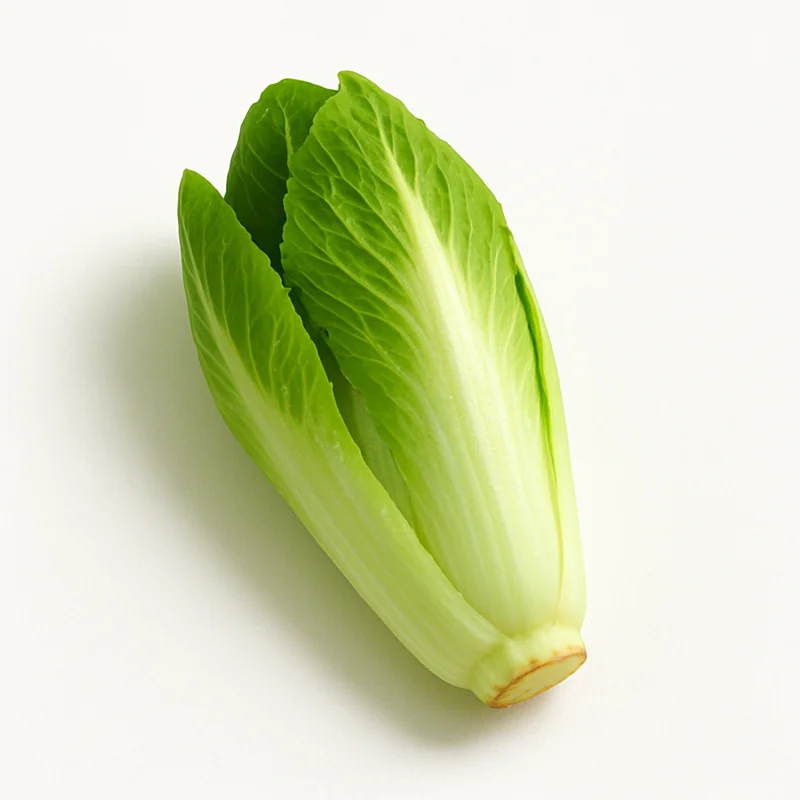
Chicory
ScoreA+
Chicory is a low-calorie leafy green vegetable rich in inulin, a prebiotic fiber that supports gut health and metabolic function. Its bitter compounds and polyphenols contribute to anti-inflammatory and antioxidant benefits.
Why Chicory scores 91
% Daily Value per ½ cup (85 g)
Nutrition
per 100 g
Health benefits
Prebiotic fiber enhances beneficial gut microbiota composition and diversity
strong evidenceInulin selectively stimulates growth of Bifidobacterium and other short-chain fatty acid-producing bacteria, increasing butyrate production which strengthens the intestinal barrier and reduces systemic inflammation
Improves fasting glucose control and insulin sensitivity
moderate evidencePrebiotic fibers delay gastric emptying and reduce postprandial glucose spikes; butyrate enhances intestinal L-cell function and improves insulin secretion
Supports liver detoxification and antioxidant defense
moderate evidenceChicoric acid and other polyphenols activate phase II detoxification enzymes (including glutathione S-transferases) and scavenge reactive oxygen species
Enhances mineral bioavailability and bone health signaling
moderate evidenceSoluble fiber increases colonic pH favoring calcium and magnesium absorption; butyrate enhances osteoblast differentiation and bone mineral density
Reduces markers of systemic inflammation and metabolic endotoxemia
emerging evidenceImproved gut barrier function and butyrate production decrease lipopolysaccharide translocation; chicoric acid has direct anti-inflammatory effects on macrophages
Pairs well with
- ·Pair with olive oil because fat-soluble polyphenols (chicoric acid) are better absorbed in the presence of dietary lipids, and olive oil's oleocanthal has additive anti-inflammatory effects
- ·Combine with garlic and onions because their fructooligosaccharides (FOS) synergize with chicory inulin to create a dual-prebiotic effect that more robustly shifts microbiota composition
- ·Pair with fatty fish (salmon, sardines) because omega-3 fatty acids enhance the anti-inflammatory effects of chicory's polyphenols and improve butyrate-producing bacteria resilience
- ·Combine with citrus fruits because vitamin C enhances absorption of the modest iron content (0.24mg) in chicory through formation of soluble iron complexes
Practical tips
- ·Best timing: Chicory can be consumed throughout the day. For maximum prebiotic benefit, consistency matters more than timing. Consuming with meals (breakfast, lunch, or dinner) optimizes fiber tolerance and nutrient absorption by slowing gastric emptying.
- ·Select chicory with crisp, unblemished leaves and vibrant color; store in refrigerator crisper drawer wrapped in paper towel to maintain moisture and extend shelf life 7-10 days
- ·Introduce chicory gradually if not accustomed to high-inulin foods, starting with small portions (1-2 oz) to minimize temporary bloating as gut microbiota adapts over 1-2 weeks
- ·Lightly sauté or roast chicory rather than boiling to minimize inulin leaching; raw consumption preserves maximum inulin content but may be more bitter—blanch briefly if raw bitterness is overwhelming
- ·Consume chicory as part of mixed meals with protein and fat rather than in isolation to moderate fiber intake pacing and optimize nutrient absorption and satiety
- ·Consider chicory root tea or coffee substitute (caffeine-free) as an alternative delivery method; steeping 5-10 minutes extracts inulin and chicoric acid effectively
Related foods
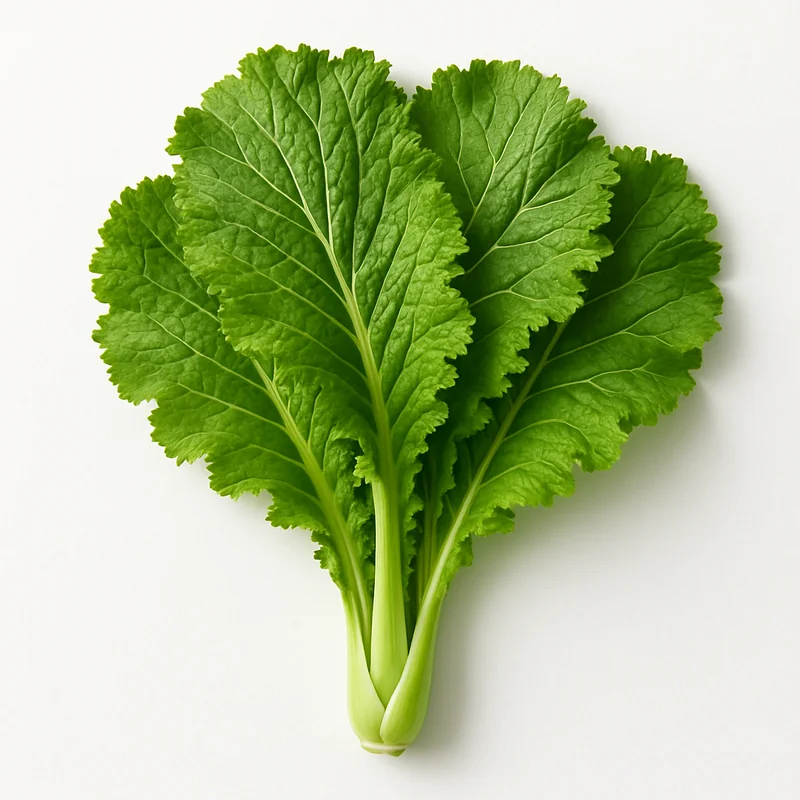
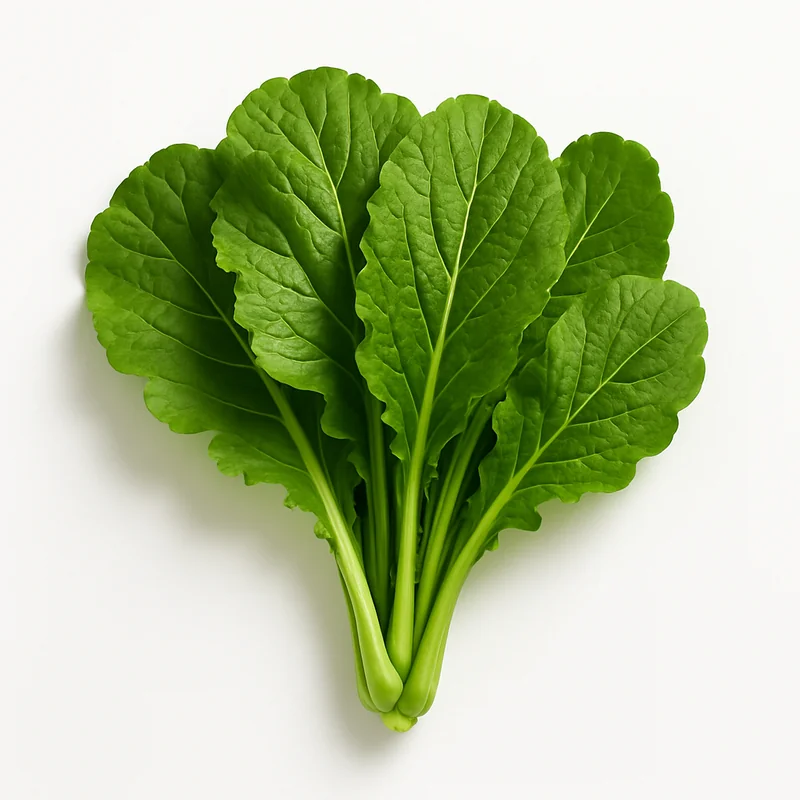
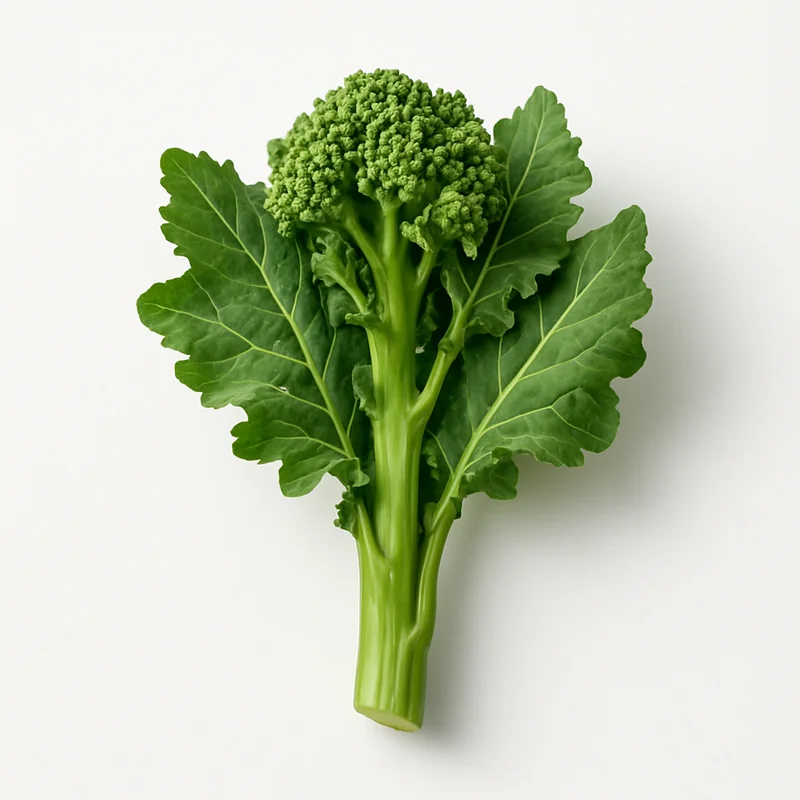
What is Chicory actually covering?
See which nutrients your diet already delivers and which ones your supplements still need to — food and pills measured on the same scale.
Check my nutrients2 questions · free · no account needed to start
Also on iPhone — get the free app
Evidence-based supplement guides, no spam
We send a short digest when new guides drop — nothing else. No affiliate pushes, no sponsored content, unsubscribe anytime.