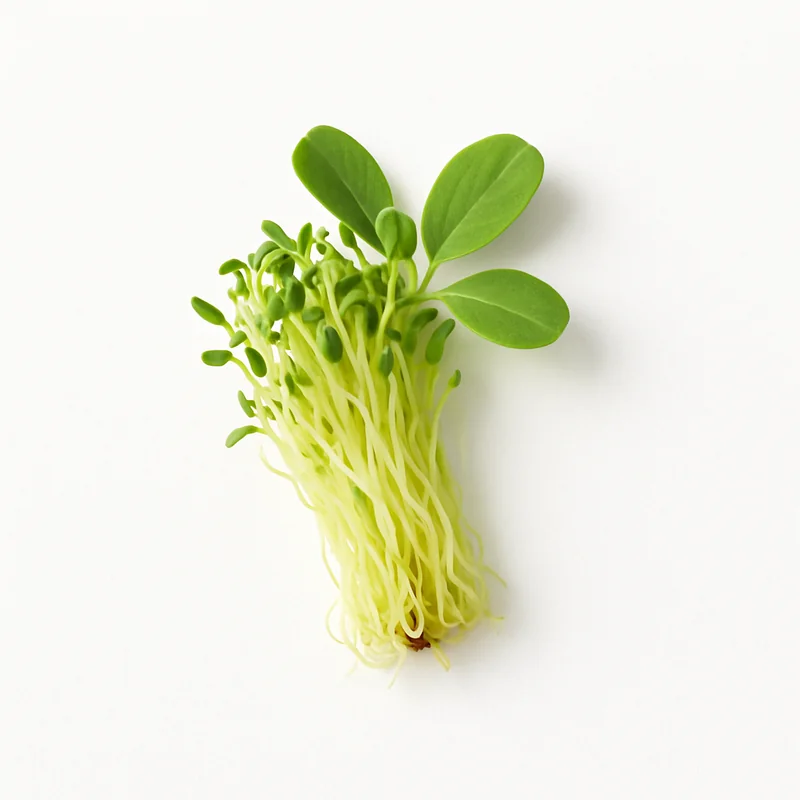
Alfalfa Seed
ScoreA+
Alfalfa sprouts are nutrient-dense shoots of the alfalfa plant, rich in vitamin K, folate, and plant compounds that support bone health and cellular function. Low in calories but high in bioavailable micronutrients, they're a longevity-supporting addition to salads and whole meals.
Why Alfalfa Seed scores 93
% Daily Value per ½ cup (85 g)
Nutrition
per 100 g
Health benefits
Supports bone health and mineralization
moderate evidenceHigh vitamin K content activates osteocalcin, a bone matrix protein essential for calcium binding and bone density maintenance; combined with bioavailable calcium and magnesium from germinated form
Reduces homocysteine and supports cardiovascular health
moderate evidenceFolate and choline facilitate methylation cycles, lowering homocysteine levels—an independent cardiovascular risk factor—and supporting endothelial function
Anti-inflammatory and antioxidant protection
moderate evidenceSaponins and polyphenols in alfalfa sprouts inhibit pro-inflammatory cytokine production and neutralize free radicals, reducing oxidative stress implicated in aging
Supports hepatic detoxification
emerging evidenceChlorophyll and phytonutrients activate phase II detoxification enzymes, supporting liver function and elimination of xenobiotics
Promotes healthy lipid metabolism
moderate evidenceSaponins may inhibit cholesterol absorption in the intestine and reduce LDL oxidation, supporting lipid panel improvement
Pairs well with
- ·Pair with tomatoes and olive oil because lycopene absorption increases with fat-soluble carriers, and vitamin C from tomatoes enhances iron bioavailability from the sprouts
- ·Combine with leafy greens (spinach, kale) because synergistic vitamin K content amplifies bone mineralization signaling and osteocalcin activation
- ·Mix with fermented foods (sauerkraut, kimchi) because probiotics enhance folate synthesis and mineral absorption from the sprouts' bioavailable micronutrient profile
- ·Pair with citrus (lemon, orange) because vitamin C improves mineral bioavailability, particularly calcium and magnesium absorption
Practical tips
- ·Best timing: Alfalfa sprouts contain no stimulants or compounds that significantly affect circadian rhythms or sleep. They can be consumed at any meal to support cumulative vitamin K and folate intake throughout the day. Including them at lunch or dinner alongside protein and fat enhances mineral absorption.
- ·Purchase refrigerated sprouts or grow your own by soaking seeds 8-12 hours, then rinsing twice daily for 4-5 days in a jar; consume within 3-4 days of harvest for maximum enzyme activity and nutrient density
- ·Eat alfalfa sprouts raw or lightly steamed (avoid high heat >40°C) to preserve heat-sensitive folate, vitamin C, and enzyme content; cooking reduces bioavailability of key micronutrients
- ·Consume 1-2 cups (30-60g) of alfalfa sprouts 3-4 times weekly as part of a varied green vegetable strategy to avoid monotonous nutrient intake while leveraging vitamin K's cumulative bone effects
- ·Store in breathable container in refrigerator at 4°C (39°F); spread on paper towel to absorb excess moisture and prevent bacterial growth, especially if immunocompromised
- ·If taking anticoagulants (warfarin, apixaban), maintain consistent alfalfa intake rather than eliminating it, as the high vitamin K content can stabilize clotting factors; consult healthcare provider on appropriate amounts
Related foods
What is Alfalfa Seed actually covering?
See which nutrients your diet already delivers and which ones your supplements still need to — food and pills measured on the same scale.
Check my nutrients2 questions · free · no account needed to start
Also on iPhone — get the free app
Evidence-based supplement guides, no spam
We send a short digest when new guides drop — nothing else. No affiliate pushes, no sponsored content, unsubscribe anytime.