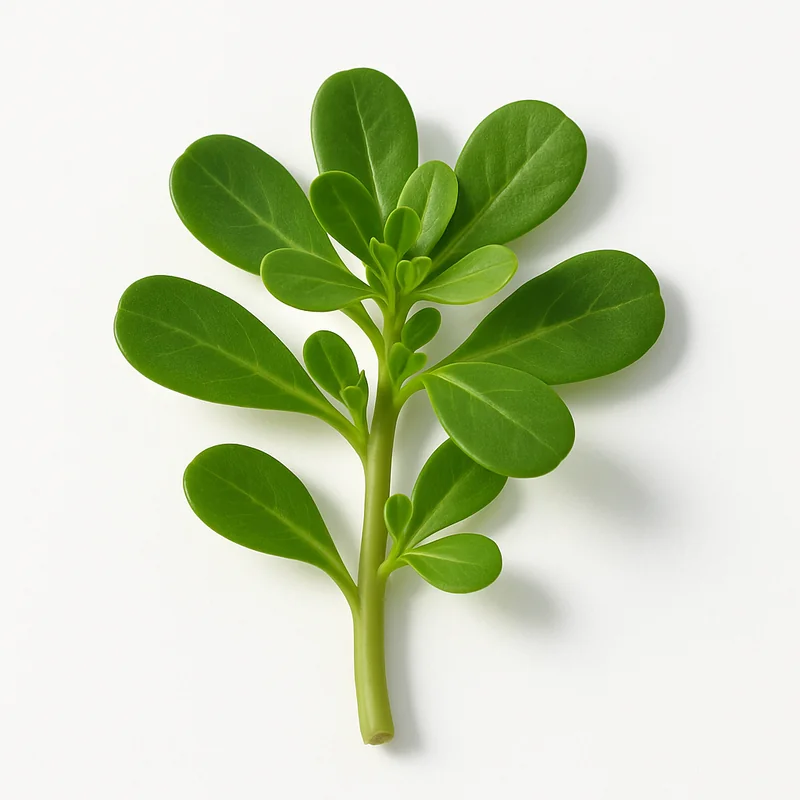
Purslane
ScoreB
Purslane is a succulent leafy green with exceptional micronutrient density and the highest plant-based source of omega-3 fatty acids (ALA). At just 20 calories per 100g, it delivers potassium, magnesium, iron, and vitamin C with minimal carbohydrates.
Why Purslane scores 70
% Daily Value per ½ cup (85 g)
Nutrition
per 100 g
Health benefits
Supports cardiovascular health through potassium-mediated blood pressure regulation
strong evidenceHigh potassium content (494mg/100g) helps counterbalance sodium intake and supports vasodilation, reducing arterial stiffness and improving endothelial function
Provides plant-based omega-3 fatty acids (ALA) for anti-inflammatory effects
moderate evidencePurslane contains 300-400mg ALA per 100g, which converts to EPA/DHA in the body and reduces inflammatory signaling pathways relevant to chronic disease
Enhances iron status and oxygen-carrying capacity
strong evidencePurslane provides 1.99mg iron per 100g alongside 21mg vitamin C, which significantly increases non-heme iron absorption through pH reduction and chelation
Supports metabolic health and glucose regulation
emerging evidencePolyphenols and betalains in purslane demonstrate antioxidant activity that may improve insulin sensitivity and reduce postprandial glucose spikes
Provides magnesium for neurological and muscular function
moderate evidenceAt 68mg per 100g, purslane contributes meaningful magnesium intake supporting ATP production, muscle relaxation, and nervous system regulation
Pairs well with
- ·Pair with citrus (lemon, lime, orange) because vitamin C further enhances non-heme iron absorption and creates a bright flavor profile that complements purslane's mild, slightly tangy taste
- ·Combine with fatty fish (salmon, mackerel) or plant oils (olive, flax) because purslane's ALA omega-3s work synergistically with EPA/DHA to optimize anti-inflammatory signaling
- ·Mix with tomatoes and onions because tomatoes' lycopene and purslane's polyphenols create complementary antioxidant effects, and both are traditional Mediterranean pairings
- ·Pair with legumes (lentils, chickpeas) because purslane's vitamin C enhances iron absorption from plant-based proteins, creating a complete amino acid and micronutrient profile
Practical tips
- ·Best timing: Purslane is nutrient-dense and calorie-sparse with no stimulating compounds, making it suitable for any meal. Iron absorption benefits from consumption with vitamin C throughout the day. Including it at midday or with lunch optimizes iron absorption when stomach acid is naturally elevated.
- ·Select tender purslane stems and young leaves (avoid older, woodier stems) for superior texture and concentrated nutrient density; the succulent stems are edible and highly nutritious
- ·Store purslane in a damp paper towel inside a plastic bag in the refrigerator for up to 5 days; it wilts quickly, so use within 2-3 days for optimal quality
- ·Consume raw in salads or lightly blanched (30-45 seconds) to preserve heat-sensitive vitamin C and maximize enzymatic activity of polyphenols
- ·Grow purslane at home as an edible succulent—it thrives with minimal water and sunlight, providing continuous harvest of ultra-fresh greens throughout warmer months
- ·Include 1 cup fresh purslane (about 30-50g) daily to obtain meaningful omega-3, potassium, and iron contributions without significant caloric burden
Related foods
What is Purslane actually covering?
See which nutrients your diet already delivers and which ones your supplements still need to — food and pills measured on the same scale.
Check my nutrients2 questions · free · no account needed to start
Also on iPhone — get the free app
Evidence-based supplement guides, no spam
We send a short digest when new guides drop — nothing else. No affiliate pushes, no sponsored content, unsubscribe anytime.