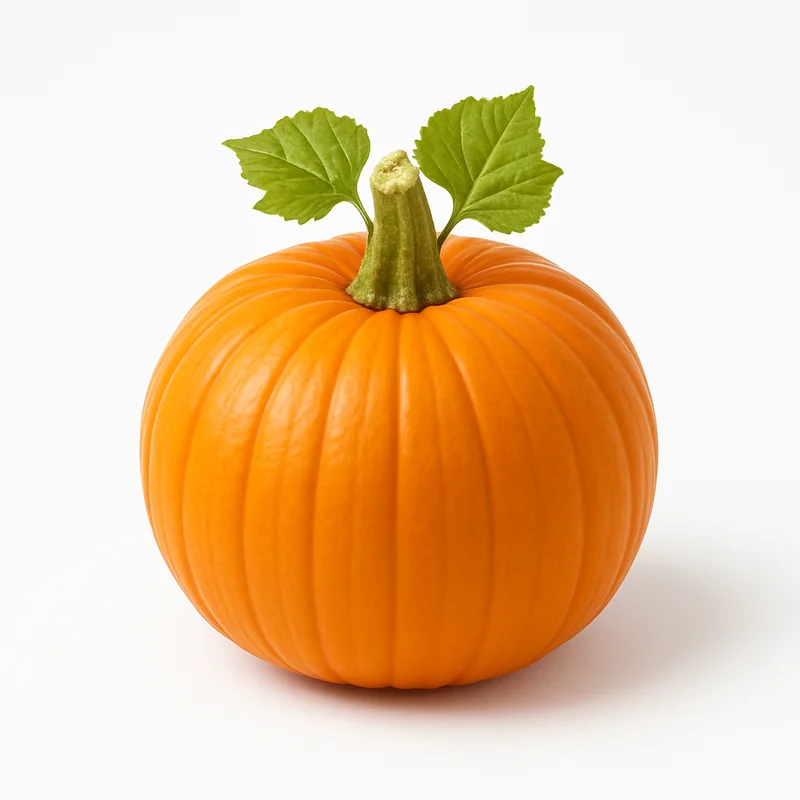
Pumpkin
ScoreA
Pumpkin is a nutrient-dense, low-calorie gourd rich in beta-carotene (vitamin A) and potassium, making it a longevity-supporting vegetable for eye health and cardiovascular function.
Why Pumpkin scores 85
% Daily Value per ½ cup (85 g)
Nutrition
per 100 g
Health benefits
Vision and eye health protection
strong evidenceBeta-carotene (provitamin A) accumulates in the retina as lutein and zeaxanthin, filtering blue light and protecting against age-related macular degeneration and cataracts
Blood pressure and cardiovascular regulation
strong evidenceHigh potassium content (340mg/100g) balances sodium-potassium gradients, reducing arterial stiffness and supporting endothelial function
Immune function enhancement
moderate evidenceBeta-carotene and vitamin C support mucosal immunity and T-cell differentiation, enhancing pathogen resistance
Glycemic control and metabolic health
moderate evidenceLow glycemic index, high soluble fiber, and polysaccharides moderate glucose absorption and improve insulin sensitivity
Cognitive and methylation support
moderate evidenceCholine acts as a methyl donor in one-carbon metabolism, supporting acetylcholine synthesis for memory and cognitive reserve
Pairs well with
- ·Pair with olive oil because fat-soluble beta-carotene absorption increases 5-13 fold when consumed with dietary fat
- ·Combine with black pepper (piperine) because it enhances carotenoid bioavailability and reduces first-pass metabolism
- ·Pair with leafy greens (spinach, kale) because complementary carotenoid profiles (lutein, zeaxanthin, beta-carotene) synergize for macular health
- ·Combine with legumes (lentils, chickpeas) because pumpkin's carbohydrates lower the meal glycemic index while legume protein increases satiety and amino acid balance
Practical tips
- ·Best timing: Pumpkin's low glycemic impact and high satiety make it suitable for any meal. Fat-soluble carotenoid absorption is enhanced when paired with dietary fat, making it ideal at lunch or dinner alongside olive oil-based dressings.
- ·Select pumpkins with deep orange color and firm skin—more pigment indicates higher carotenoid concentration; store in cool, dark conditions (50-55°F) for up to 3 months
- ·Roast pumpkin flesh at 400°F with olive oil to enhance carotenoid extraction and create a naturally sweet side; puree for soups to maximize nutrient accessibility
- ·Use canned pumpkin (unsweetened, no added spices) as a convenient alternative—thermal processing actually increases beta-carotene bioavailability compared to raw
- ·Don't discard seeds: toast pumpkin seeds separately for magnesium (168mg/ounce) and zinc, complementing the flesh's nutrient profile
- ·Consume pumpkin in portions of 100-200g several times weekly for sustained beta-carotene intake without excess calorie burden
Related foods
What is Pumpkin actually covering?
See which nutrients your diet already delivers and which ones your supplements still need to — food and pills measured on the same scale.
Check my nutrients2 questions · free · no account needed to start
Also on iPhone — get the free app
Evidence-based supplement guides, no spam
We send a short digest when new guides drop — nothing else. No affiliate pushes, no sponsored content, unsubscribe anytime.