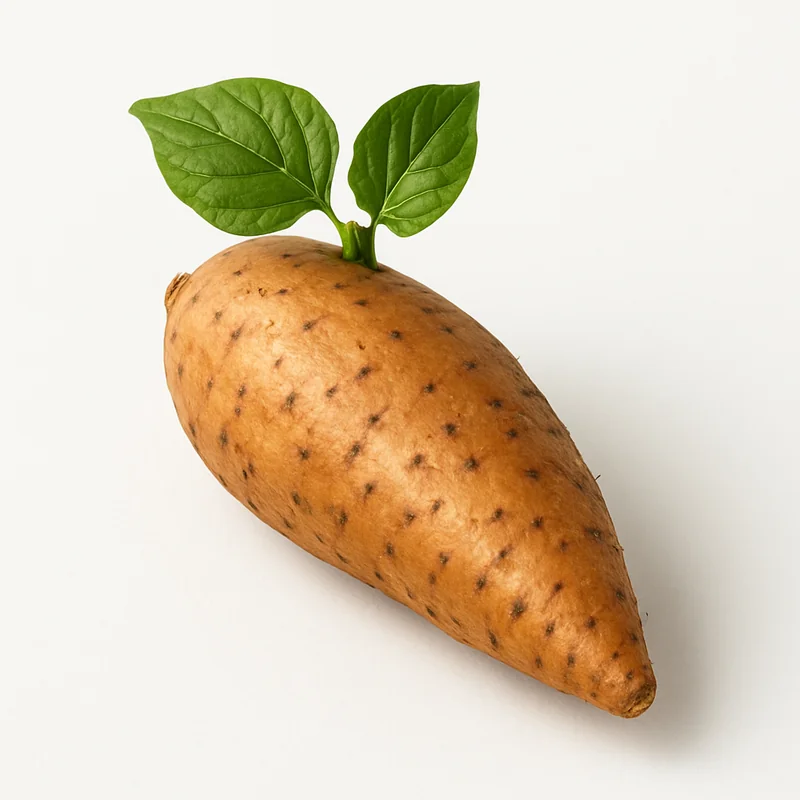
Yam
ScoreB
Yam is a starchy root vegetable rich in potassium, fiber, and resistant starch, offering sustained energy and digestive benefits.
Why Yam scores 74
% Daily Value per ½ cup (85 g)
Nutrition
per 100 g
Health benefits
Improved blood pressure and cardiovascular function
strong evidenceHigh potassium content (816mg/100g) supports vasodilation and reduces sodium-potassium imbalance, key drivers of hypertension in aging
Enhanced metabolic flexibility and sustained energy
moderate evidenceResistant starch resists digestion, promoting lower glycemic response and increased short-chain fatty acid production, improving insulin sensitivity
Prebiotic-driven microbiota support and reduced inflammation
moderate evidenceHigh fiber (4.1g/100g) and resistant starch selectively feed beneficial Faecalibacterium and Roseburia species, reducing lipopolysaccharide-driven inflammation
Cognitive and neurological support
moderate evidenceCholine (16.5mg) and folate (23mcg) support acetylcholine synthesis and methylation pathways essential for neuroplasticity and dementia prevention
Antioxidant and anti-inflammatory protection
emerging evidenceDiosgenin and polyphenols reduce oxidative stress and pro-inflammatory cytokine production, supporting cellular aging resilience
Pairs well with
- ·Pair with fatty fish (salmon, mackerel) because fat-soluble nutrients enhance absorption and omega-3s synergize anti-inflammatory effects
- ·Combine with leafy greens (spinach, kale) because vitamin C in yams enhances iron bioavailability from plant sources
- ·Pair with fermented foods (sauerkraut, tempeh) because resistant starch acts synergistically with probiotics to strengthen microbiota diversity
- ·Combine with allium vegetables (garlic, onions) because sulfur compounds enhance the anti-inflammatory and detoxification signaling pathways
Practical tips
- ·Best timing: midday
- ·Store yams in a cool, dark, well-ventilated place (not refrigerated) for up to 3-4 weeks; cool temperatures convert starches to resistant starch, enhancing prebiotic benefits
- ·Boil or steam yams with skin on to preserve nutrients and maximize resistant starch retention—avoid prolonged high-heat cooking which reduces bioactive compounds
- ·Consume cooked yams with a source of fat (olive oil, nuts, seeds) to enhance absorption of fat-soluble vitamin A equivalents and support satiety
- ·Prepare yams 1-2 hours before eating and allow to cool slightly; cooling further increases resistant starch formation, improving metabolic benefits
- ·Select firm yams without soft spots or sprouting; organic varieties may contain higher concentrations of polyphenolic compounds
Related foods
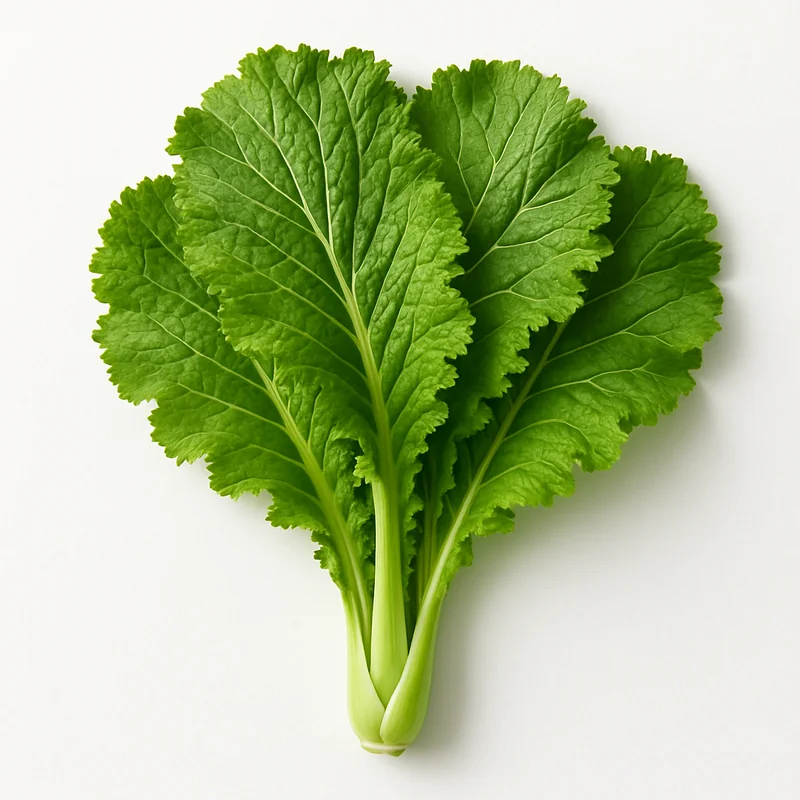
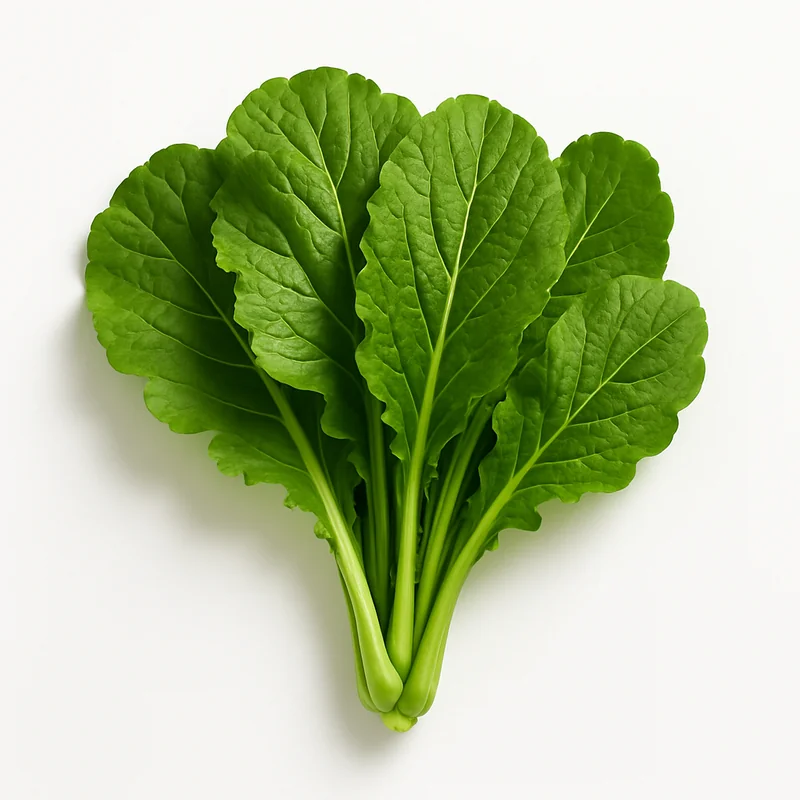
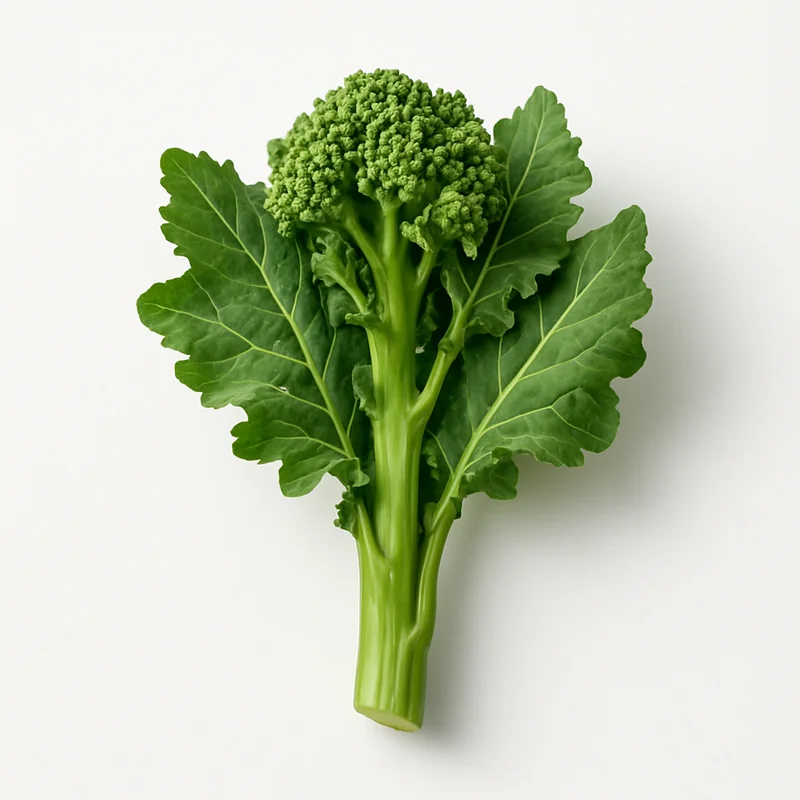
What is Yam actually covering?
See which nutrients your diet already delivers and which ones your supplements still need to — food and pills measured on the same scale.
Check my nutrients2 questions · free · no account needed to start
Also on iPhone — get the free app
Evidence-based supplement guides, no spam
We send a short digest when new guides drop — nothing else. No affiliate pushes, no sponsored content, unsubscribe anytime.