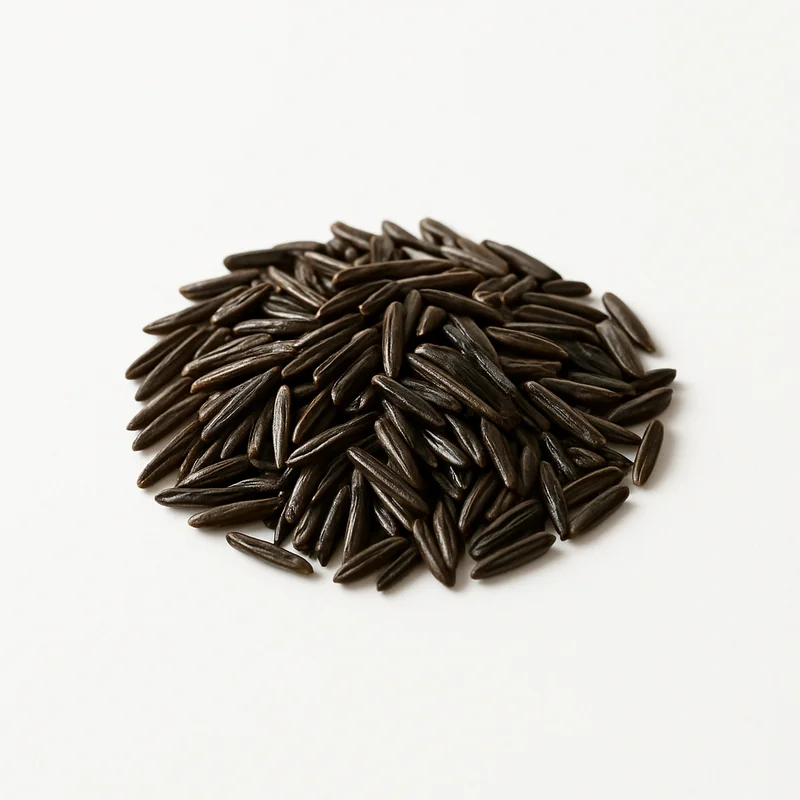
Wild Rice
ScoreB
Wild rice is a whole grain with exceptional protein content (12.79g per 100g) and substantial fiber, making it a nutrient-dense carbohydrate source that supports sustained energy and metabolic health.
Why Wild Rice scores 71
% Daily Value per ½ cup (50 g)
Nutrition
per 100 g
Health benefits
Supports cardiovascular health and blood pressure regulation
strong evidenceHigh potassium (298.8mg) and magnesium (108.5mg) content promotes vasodilation and electrolyte balance; fiber helps reduce LDL cholesterol; polyphenols reduce vascular inflammation
Enhances digestive health and gut microbiome diversity
strong evidenceSoluble and insoluble fiber (4.26g) serves as prebiotic substrate, feeding beneficial bacteria and promoting regular bowel function; short-chain fatty acid production improves intestinal barrier integrity
Improves glycemic control and reduces diabetes risk
strong evidenceHigh fiber content slows glucose absorption; intact bran reduces glycemic index; magnesium enhances insulin sensitivity
Supports muscle maintenance and recovery with plant-based protein
moderate evidence12.79g protein per 100g provides essential amino acids; high leucine content stimulates mTOR pathway for muscle protein synthesis; particularly valuable for older adults
Reduces systemic inflammation and oxidative stress
moderate evidenceContains phenolic compounds and lignans that act as antioxidants; manganese (1.315mg) is a cofactor for superoxide dismutase, a key antioxidant enzyme
Pairs well with
- ·Pair with legumes (lentils, chickpeas) because they provide complementary amino acids, creating a complete protein profile that rivals animal sources; also enhances iron absorption when combined with vitamin C
- ·Combine with leafy greens (kale, spinach) because fat-soluble vitamins from greens are better absorbed with the minimal fat in wild rice when dressed with olive oil; magnesium synergy supports bone health
- ·Mix with mushrooms (shiitake, oyster) because both are rich in polyphenols and beta-glucans; mushroom umami enhances satiety and nutrient bioavailability
- ·Pair with seeds (pumpkin, sunflower) to increase zinc bioavailability and add polyunsaturated fats that support anti-inflammatory signaling
- ·Combine with cruciferous vegetables (broccoli, Brussels sprouts) because both provide glucosinolates and fiber; synergistic anti-inflammatory and detoxification effects
Practical tips
- ·Best timing: midday
- ·Rinse wild rice thoroughly before cooking to remove debris and potential hull fragments; this improves texture and reduces any off-flavors
- ·Cook with a 3:1 water-to-rice ratio at a gentle simmer for 45-60 minutes until the grain splits and becomes tender; avoid overboiling, which reduces fiber content and nutrient density
- ·Store uncooked wild rice in an airtight container in a cool, dry place for up to 2 years; its low fat content makes it more shelf-stable than many grains
- ·Prepare larger batches and refrigerate cooked wild rice for up to 5 days; cooled grains develop resistant starch, which further improves glycemic response and feeds beneficial gut bacteria
- ·Soak wild rice for 30 minutes before cooking to reduce antinutrients (phytates) and decrease cooking time; discard soaking water and rinse thoroughly before cooking
Related foods
What is Wild Rice actually covering?
See which nutrients your diet already delivers and which ones your supplements still need to — food and pills measured on the same scale.
Check my nutrients2 questions · free · no account needed to start
Also on iPhone — get the free app
Evidence-based supplement guides, no spam
We send a short digest when new guides drop — nothing else. No affiliate pushes, no sponsored content, unsubscribe anytime.