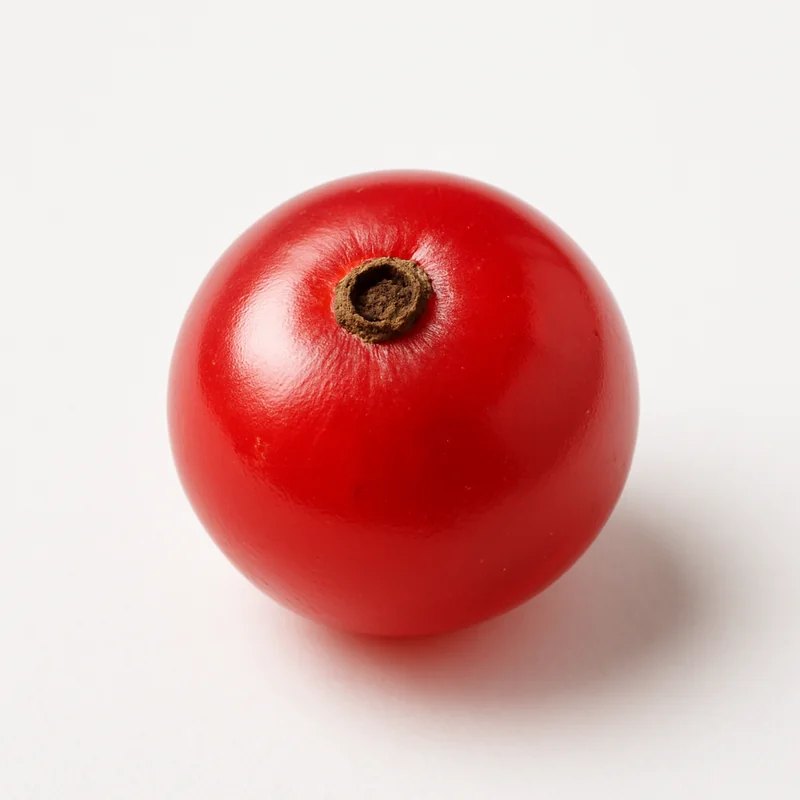
Currant
ScoreA
Currants are small, tart berries rich in vitamin C and potassium, offering significant antioxidant and anti-inflammatory support with minimal calories.
Why Currant scores 86
% Daily Value per a handful (40 g)
Nutrition
per 100 g
Health benefits
Enhanced vascular endothelial function and blood flow
moderate evidenceAnthocyanins in black currants improve nitric oxide bioavailability, relaxing blood vessel walls and reducing arterial stiffness
Reduced systemic inflammation and oxidative stress
strong evidenceHigh anthocyanin and proanthocyanidin content neutralize free radicals and inhibit pro-inflammatory cytokine production
Improved eye health and visual function
moderate evidenceAnthocyanins accumulate in ocular tissue, protecting against blue-light damage and supporting macular degeneration prevention
Enhanced immune resilience via vitamin C
strong evidenceVitamin C (181 mg/100g) supports T-cell proliferation, antibody production, and neutrophil function
Blood pressure regulation through potassium and vasodilation
moderate evidenceHigh potassium (322 mg/100g) supports sodium-potassium gradient; anthocyanins promote vasodilation
Pairs well with
- ·Pair with dark chocolate (70%+ cacao) because both are rich in polyphenols; combined anthocyanins enhance antioxidant synergy
- ·Pair with almonds because vitamin C in currants enhances non-heme iron absorption from nuts' micronutrient profile, improving mineral bioavailability
- ·Pair with Greek yogurt because probiotics support polyphenol metabolism and the fat enhances carotenoid absorption
- ·Pair with ginger or turmeric because both share anti-inflammatory properties; combined effects amplify IL-6 and TNF-α reduction
- ·Pair with green tea because EGCG and anthocyanins work synergistically to enhance vascular protection and cellular antioxidant capacity
Practical tips
- ·Best timing: Currants' low glycemic load and high micronutrient density make them suitable any time of day. Morning consumption supports immune priming; post-workout timing aids recovery via antioxidant support and potassium replenishment.
- ·Select black currants over red varieties for maximum anthocyanin content; black currants contain 3-4x higher polyphenol levels
- ·Consume fresh or lightly cooked to preserve heat-sensitive vitamin C; frozen currants retain anthocyanins equally well for long-term storage
- ·Store fresh currants at 32°F (0°C) in breathable containers for 2-3 weeks; freeze on trays before bagging for year-round access
- ·Aim for 1-2 tablespoons (15-30g) daily as a snack or smoothie addition; this provides ~27-54 mg vitamin C and significant anthocyanin load without excessive sugar
- ·For maximum bioavailability, consume with a small amount of fat (nuts, olive oil, yogurt) and vitamin C-rich foods to potentiate absorption of fat-soluble compounds
Related foods
What is Currant actually covering?
See which nutrients your diet already delivers and which ones your supplements still need to — food and pills measured on the same scale.
Check my nutrients2 questions · free · no account needed to start
Also on iPhone — get the free app
Evidence-based supplement guides, no spam
We send a short digest when new guides drop — nothing else. No affiliate pushes, no sponsored content, unsubscribe anytime.