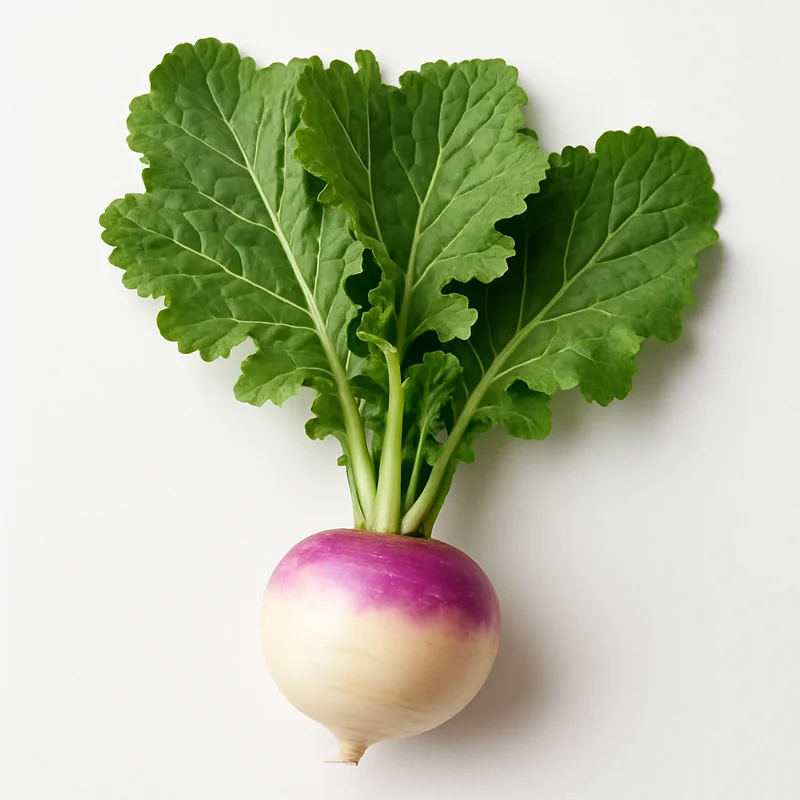
Turnip Greens And Turnip
ScoreA+
Turnip greens are nutrient-dense cruciferous leafy vegetables exceptionally high in vitamin K, calcium, and antioxidants, while the root bulb offers fiber and supportive micronutrients with minimal calories.
Why Turnip Greens And Turnip scores 96
% Daily Value per ½ cup (85 g)
Nutrition
per 100 g
Health benefits
Bone health and fracture prevention through high vitamin K and calcium content
strong evidenceVitamin K activates osteocalcin, a bone matrix protein essential for calcium binding and mineralization, while calcium provides structural integrity; combined intake significantly improves bone mineral density
Cardiovascular health via potassium and vascular vitamin K-dependent proteins
strong evidencePotassium reduces sodium-induced hypertension and supports vasodilation; vitamin K activates matrix Gla-protein (MGP), which prevents arterial calcification and maintains endothelial function
Detoxification and reduced inflammation through glucosinolate metabolism
moderate evidenceGlucosinolates are converted to isothiocyanates by gut bacteria and chewing, which activate Nrf2 antioxidant pathways, upregulating phase II detoxification enzymes and reducing oxidative stress
Metabolic health and gut microbiota diversity via soluble and insoluble fiber
moderate evidenceFiber feeds beneficial bacteria (prebiotic effect), increasing butyrate production, which strengthens intestinal barrier function, improves insulin sensitivity, and supports metabolic flexibility
Immune and eye health through vitamin A and antioxidant compounds
moderate evidenceVitamin A (431 IU per 100g) supports mucosal immunity and retinal adaptation; polyphenols reduce pathogenic inflammation and oxidative damage to ocular tissues
Pairs well with
- ·Pair with olive oil or avocado because fat-soluble vitamins K, A, and E require lipid carriers for optimal absorption across the intestinal epithelium
- ·Combine with garlic or onions because allicin and quercetin enhance glucosinolate bioavailability and synergize anti-inflammatory and antimicrobial effects
- ·Serve with citrus (lemon, orange) because vitamin C reduces anti-nutrients like oxalates and enhances non-heme iron absorption from the greens
- ·Pair with fermented foods (sauerkraut, kimchi) because live cultures support the bacterial conversion of glucosinolates to bioactive isothiocyanates
Practical tips
- ·Best timing: Turnip greens are nutrient-dense, low-glycemic, and fiber-rich, making them suitable for any meal. Morning consumption supports metabolic priming and micronutrient absorption throughout the day; midday or evening use provides sustained satiety and supports digestive health without interfering with sleep.
- ·Store turnip greens separately from the root in breathable bags in the refrigerator; use greens within 3-5 days and roots within 2-3 weeks for optimal nutrient retention
- ·Lightly sauté or steam greens for 2-3 minutes rather than prolonged boiling to preserve heat-sensitive vitamin C and water-soluble B vitamins while retaining glucosinolates
- ·Include the root skin when roasting or steaming, as it concentrates fiber and phytonutrients; peel only if visibly damaged
- ·Chew greens thoroughly or lightly cook before consumption to activate myrosinase enzyme and ensure glucosinolate conversion to bioactive isothiocyanates
- ·Choose smaller, younger greens with bright color and firm stems; avoid yellowing or wilted leaves, which indicate nutrient degradation
Related foods
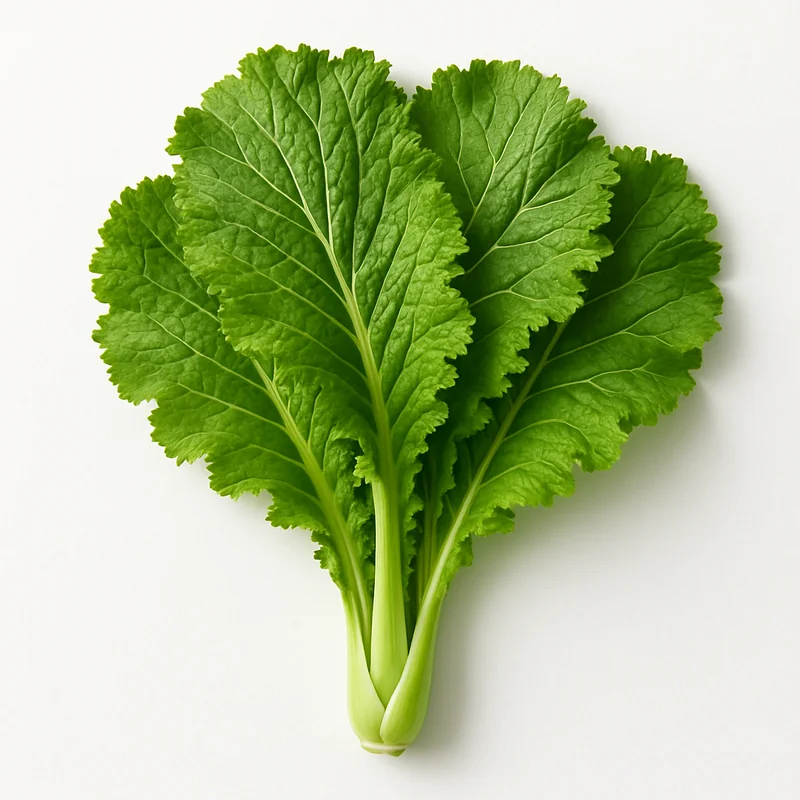
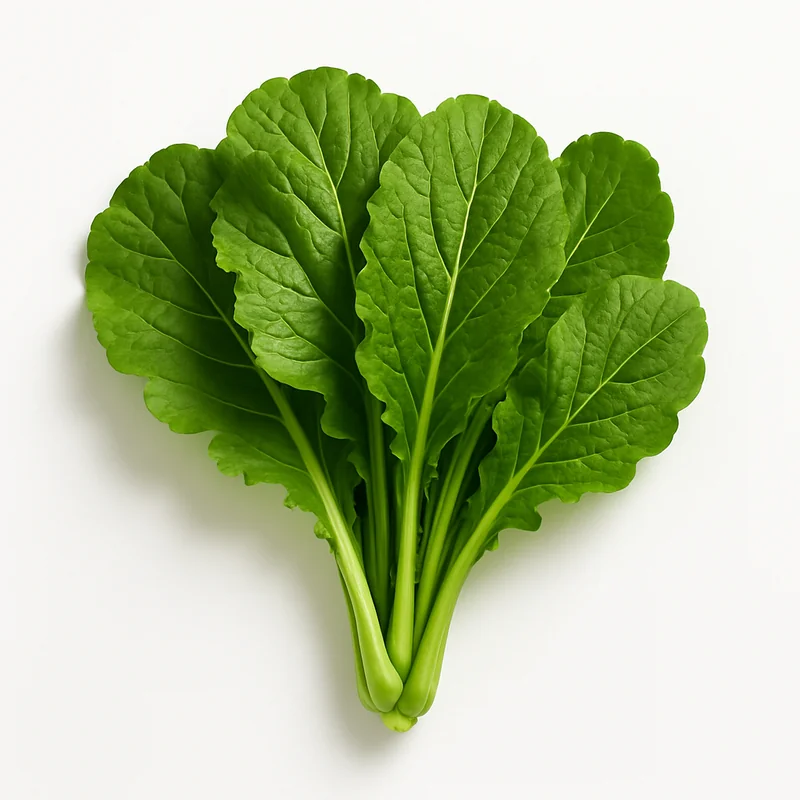
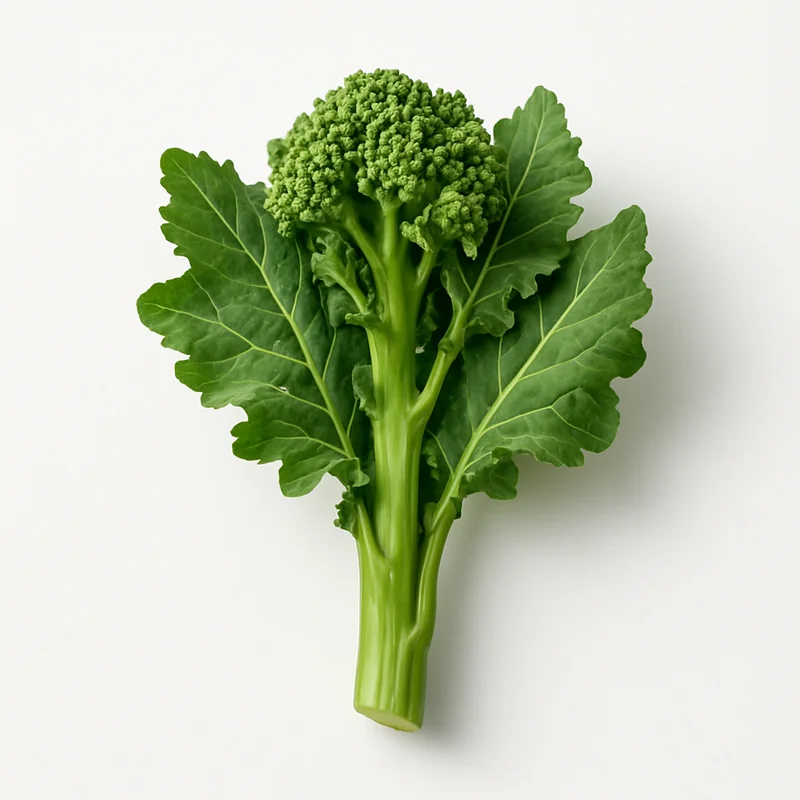
What is Turnip Greens And Turnip actually covering?
See which nutrients your diet already delivers and which ones your supplements still need to — food and pills measured on the same scale.
Check my nutrients2 questions · free · no account needed to start
Also on iPhone — get the free app
Evidence-based supplement guides, no spam
We send a short digest when new guides drop — nothing else. No affiliate pushes, no sponsored content, unsubscribe anytime.