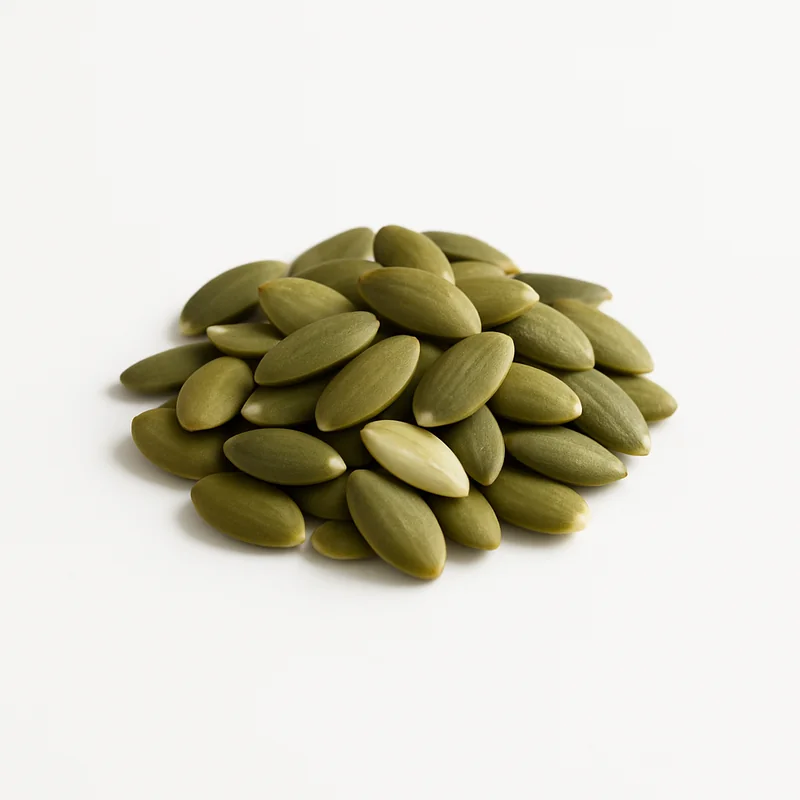
Pumpkin Seeds (Pepitas)
ScoreA
Pumpkin seeds (pepitas) are nutrient-dense kernels rich in magnesium, zinc, iron, and polyunsaturated fats, making them a powerhouse seed for cardiovascular and metabolic health.
Why Pumpkin Seeds (Pepitas) scores 82
% Daily Value per 1 oz (28 g)
Nutrition
per 100 g
Health benefits
Improved cardiovascular health and blood pressure regulation
strong evidencePhytosterols reduce LDL cholesterol absorption; magnesium relaxes arterial smooth muscle and supports healthy blood pressure; arginine improves endothelial function
Enhanced prostate health and urinary function
moderate evidenceZinc and phytosterols accumulate in prostate tissue; lignans and phenolic compounds exhibit anti-inflammatory effects on urinary epithelium
Improved bone mineral density and reduced fracture risk
moderate evidenceHigh magnesium content supports bone formation; manganese activates alkaline phosphatase; zinc stabilizes bone collagen matrix
Better sleep quality and mood regulation
moderate evidenceTryptophan precursor to serotonin and melatonin; magnesium reduces nervous system hyperactivity; supports GABA synthesis
Reduced systemic inflammation and antioxidant support
moderate evidencePhenolic compounds and vitamin E scavenge free radicals; lignans inhibit pro-inflammatory cytokine production
Pairs well with
- ·Pair with dark leafy greens (spinach, kale) because the vitamin C enhances non-heme iron bioavailability from seeds
- ·Combine with orange vegetables (carrots, sweet potato) because fat-soluble carotenoids require dietary fat for absorption, and seed oils facilitate this process
- ·Mix with fermented foods (kimchi, sauerkraut) because probiotics may enhance mineral bioavailability and support phytate degradation
- ·Pair with whole grains (quinoa, oats) because the combination provides complete amino acid profiles and complementary micronutrients for sustained energy
Practical tips
- ·Best timing: Pumpkin seeds work well across multiple time points. Morning consumption supports sustained energy and micronutrient absorption; evening consumption provides tryptophan and magnesium for sleep support. No time restriction exists, making them flexible for individual preference and meal structure.
- ·Store in airtight containers in a cool, dark place or refrigerator for up to 3 months to prevent oxidation of polyunsaturated fats; freezing extends shelf life to 6+ months
- ·Select raw, unsalted seeds when possible; if roasted, choose varieties roasted at lower temperatures (below 160°C/320°F) to preserve heat-sensitive nutrients like vitamin E
- ·Consume 1 ounce (28g, roughly 1/4 cup) daily as a practical serving; this provides meaningful micronutrient contributions without excessive caloric density
- ·Soak seeds for 2-4 hours before consumption to reduce phytate content by 30-40%, enhancing mineral absorption—discard soak water
- ·Grind or chew thoroughly to break seed coat and improve nutrient bioavailability, or consume as seed butter for easier digestion in older adults
Related foods
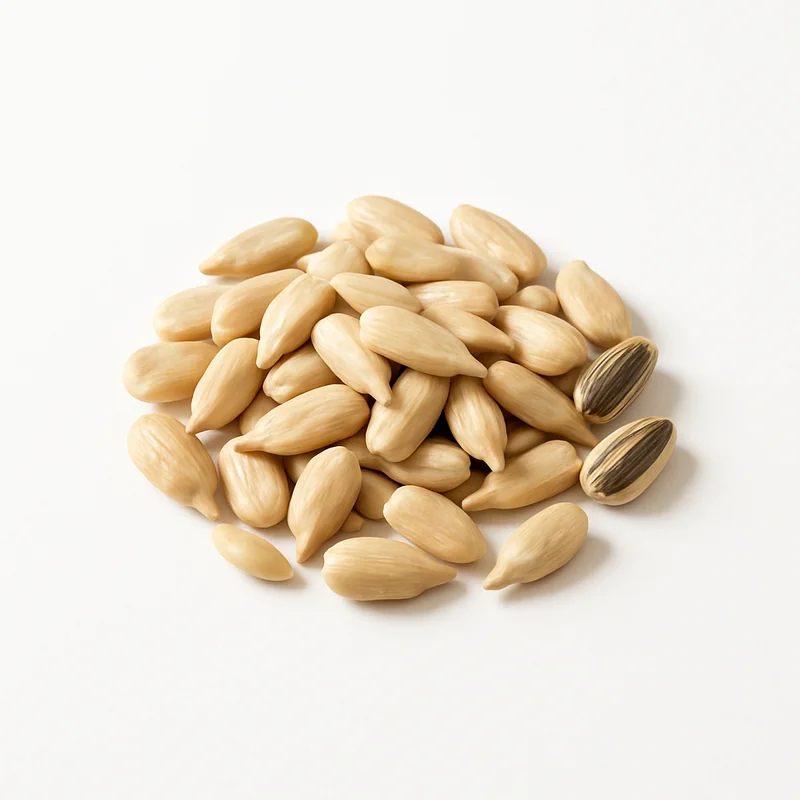
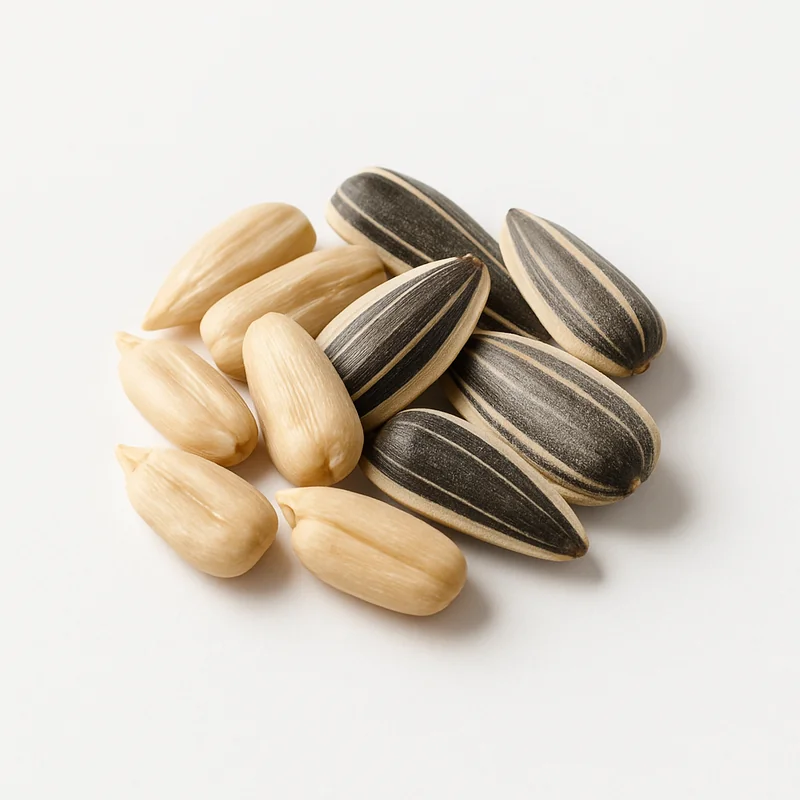
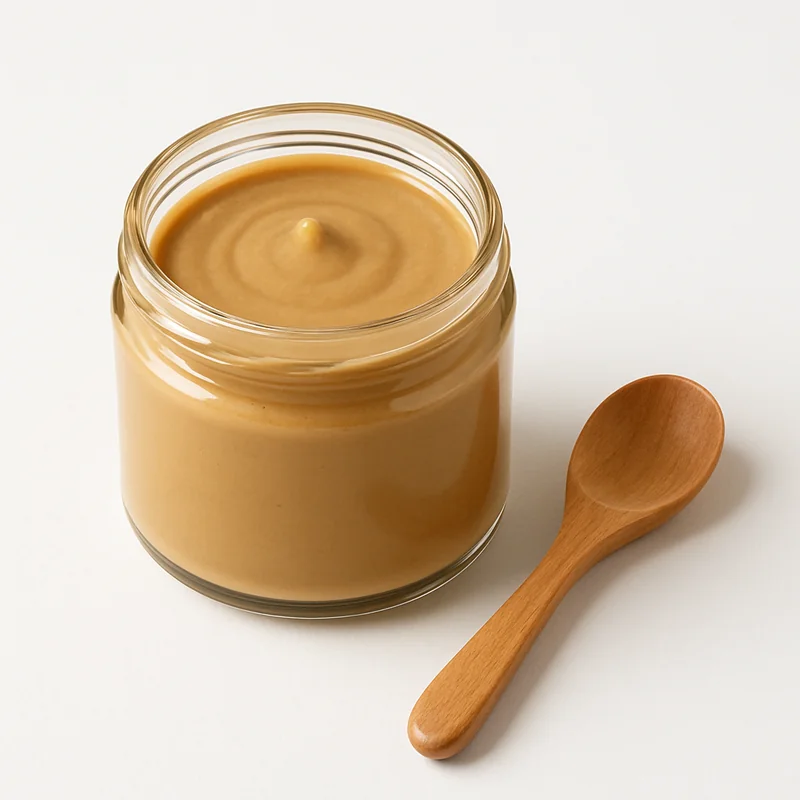
What is Pumpkin Seeds (Pepitas) actually covering?
See which nutrients your diet already delivers and which ones your supplements still need to — food and pills measured on the same scale.
Check my nutrients2 questions · free · no account needed to start
Also on iPhone — get the free app
Evidence-based supplement guides, no spam
We send a short digest when new guides drop — nothing else. No affiliate pushes, no sponsored content, unsubscribe anytime.