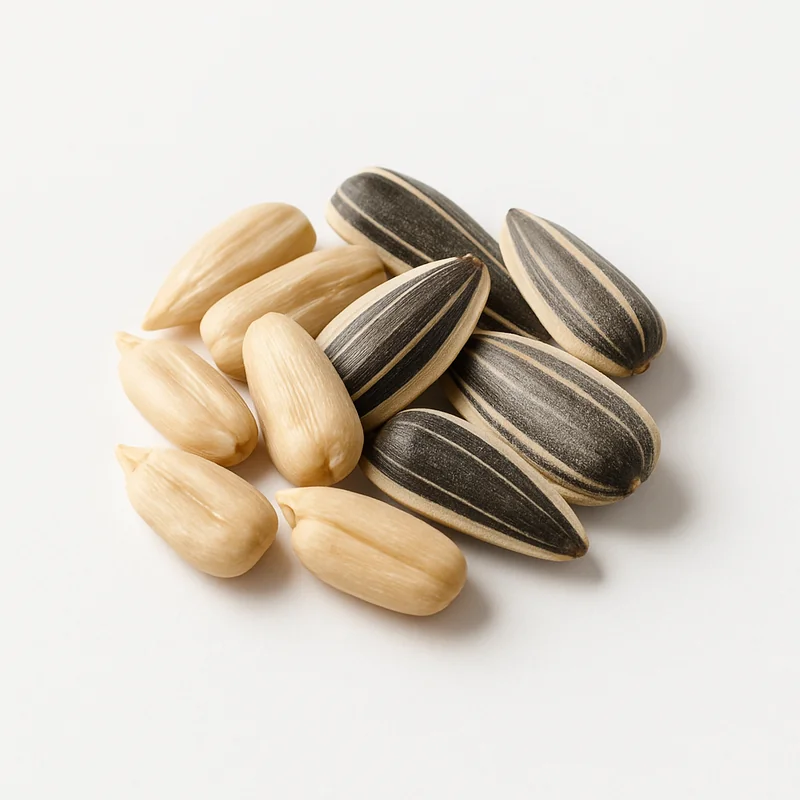
Sunflower Seed
ScoreA+
Sunflower seeds are nutrient-dense kernels rich in vitamin E, selenium, and polyunsaturated fats, offering significant cardiovascular and antioxidant benefits. They are among the most bioavailable plant sources of these micronutrients.
Why Sunflower Seed scores 91
% Daily Value per 1 oz (28 g)
Nutrition
per 100 g
Health benefits
Reduces cardiovascular disease risk through antioxidant and anti-inflammatory mechanisms
strong evidenceVitamin E and selenium protect LDL from oxidation, preventing atherosclerotic plaque formation. Linoleic acid improves endothelial function and reduces blood pressure. Polyphenols inhibit inflammatory pathways (NF-κB signaling) implicated in atherosclerosis.
Supports bone health and mineral density through magnesium and micronutrient content
moderate evidenceMagnesium is essential for hydroxyapatite crystal formation and osteoblast function. Zinc and selenium support bone-forming enzyme activity and reduce bone resorption markers.
Enhances cognitive function and reduces neurodegenerative risk
moderate evidenceVitamin E crosses the blood-brain barrier and protects neuronal membranes from lipid peroxidation. Choline supports acetylcholine synthesis and myelin formation. Selenium activates neuroprotective selenoproteins including glutathione peroxidase.
Improves glucose regulation and insulin sensitivity
moderate evidenceMagnesium enhances glucose transporter GLUT4 function and insulin receptor signaling. Polyphenols inhibit alpha-glucosidase, slowing glucose absorption. High protein and fat content reduces postprandial glucose spikes.
Supports thyroid hormone metabolism and immune function
strong evidenceSelenium is the rate-limiting cofactor for selenoprotein synthesis, including thioredoxin reductase and glutathione peroxidase, essential for thyroid peroxidase function and T-cell activation.
Pairs well with
- ·Pair with tomatoes or red peppers because lycopene and vitamin C enhance absorption of fat-soluble vitamin E and increase bioavailability of polyphenolic antioxidants through synergistic radical scavenging
- ·Pair with leafy greens (spinach, kale) because vitamin K works synergistically with magnesium and selenium for bone mineralization and vascular calcification prevention
- ·Pair with fatty fish (salmon) or algae because the omega-3/omega-6 ratio becomes optimal for reducing inflammatory signaling and improving EPA/DHA conversion
- ·Pair with orange or citrus fruits because vitamin C enhances absorption of magnesium and zinc, and provides complementary antioxidant coverage against different ROS species
Practical tips
- ·Best timing: midday
- ·Choose raw or lightly roasted seeds over heavily salted varieties to maximize nutrient bioavailability and minimize sodium intake; roasting at temperatures below 160°C preserves heat-sensitive vitamin E
- ·Store in airtight containers away from light and heat to prevent oxidation of polyunsaturated fats; refrigeration extends shelf life up to 6 months and maintains polyphenol stability
- ·Consume 1-1.5 ounces (28-42g) daily as an optimal serving—sufficient to obtain 70-90% of daily vitamin E needs and 25-30% of selenium without excess calories
- ·Soak seeds for 2-4 hours before consumption to reduce phytic acid content by 15-20%, increasing bioavailability of magnesium, zinc, and iron by 20-30%
- ·Grind or chew thoroughly to break seed coat and improve nutrient absorption; whole seeds pass through digestive tract with reduced bioavailability
Related foods
What is Sunflower Seed actually covering?
See which nutrients your diet already delivers and which ones your supplements still need to — food and pills measured on the same scale.
Check my nutrients2 questions · free · no account needed to start
Also on iPhone — get the free app
Evidence-based supplement guides, no spam
We send a short digest when new guides drop — nothing else. No affiliate pushes, no sponsored content, unsubscribe anytime.