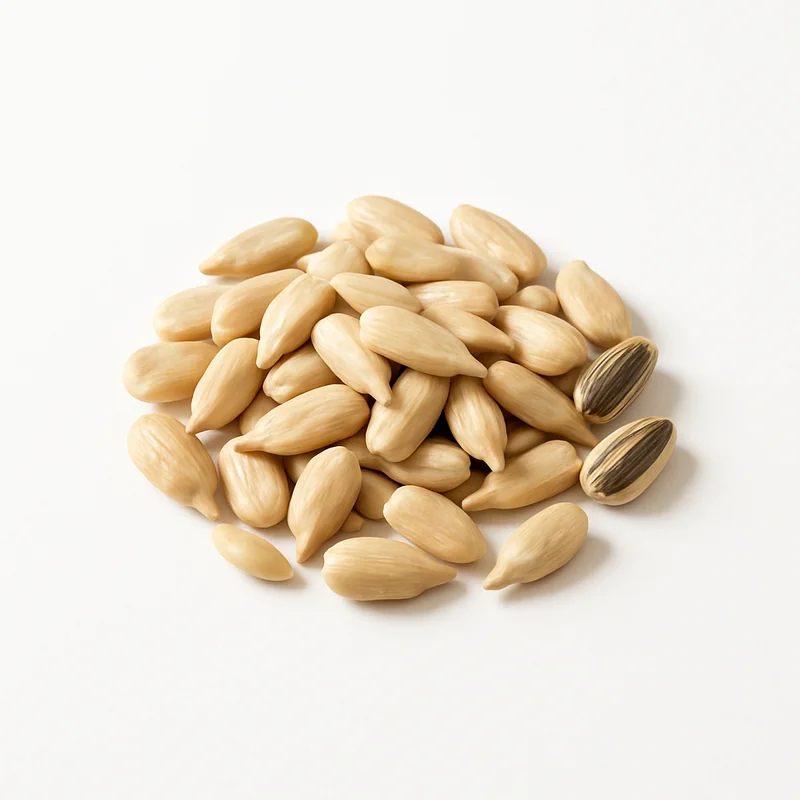
Sunflower Seed Kernel
ScoreA+
Sunflower seed kernels are nutrient-dense seeds rich in vitamin E, selenium, and polyunsaturated fats, offering cardiovascular and antioxidant support for healthy aging.
Why Sunflower Seed Kernel scores 93
% Daily Value per 1 oz (28 g)
Nutrition
per 100 g
Health benefits
Cardiovascular protection through improved cholesterol and lipid profiles
strong evidencePolyunsaturated fats (linoleic acid) and phytosterols reduce LDL cholesterol oxidation and improve HDL:LDL ratios; magnesium supports endothelial function and blood pressure regulation
Reduced oxidative stress and cellular aging via antioxidant activity
strong evidenceVitamin E and selenium work synergistically as cofactors for glutathione peroxidase and other antioxidant enzymes, neutralizing free radicals and protecting cell membranes
Improved glucose control and reduced diabetes risk
moderate evidenceHigh magnesium and polyunsaturated fat content enhance insulin sensitivity; fiber content slows glucose absorption
Enhanced bone mineral density and skeletal integrity
moderate evidenceMagnesium, phosphorus, and zinc are essential cofactors for bone matrix mineralization and osteoblast function
Anti-inflammatory effects and improved immune resilience
moderate evidenceLignans and sesamin compounds inhibit pro-inflammatory cytokines; selenium optimizes T-cell and antibody production
Pairs well with
- ·Pair with spinach or kale because fat-soluble vitamins A, D, and K in leafy greens require dietary fat for absorption, and sunflower kernels provide abundant polyunsaturated fat
- ·Combine with citrus fruits (oranges, lemons) because vitamin C enhances absorption of the non-heme iron present in sunflower seeds
- ·Mix with whole grains (quinoa, oats) because complementary amino acids create a complete protein profile similar to animal sources
- ·Add to cruciferous vegetables (broccoli, Brussels sprouts) because combined glucosinolates and antioxidants amplify anti-inflammatory and detoxification pathways
Practical tips
- ·Best timing: midday
- ·Store kernels in airtight containers in the refrigerator or freezer to prevent oxidation of polyunsaturated fats; discard if any rancid smell develops
- ·Consume raw or lightly roasted (below 160°C/320°F) to preserve heat-sensitive vitamin E; excessive roasting destroys antioxidant compounds
- ·Portion control: aim for 30g (approximately ¼ cup) daily to obtain 8-10mg of vitamin E without excessive caloric intake (165 kcal per 30g)
- ·Soak kernels for 4-8 hours before eating to reduce phytic acid (antinutrient) and enhance mineral bioavailability, particularly zinc and magnesium
- ·Purchase hulled kernels or hull them yourself using a seed mill rather than cracking with teeth to avoid gum damage and ensure complete removal of hard shell
Related foods
What is Sunflower Seed Kernel actually covering?
See which nutrients your diet already delivers and which ones your supplements still need to — food and pills measured on the same scale.
Check my nutrients2 questions · free · no account needed to start
Also on iPhone — get the free app
Evidence-based supplement guides, no spam
We send a short digest when new guides drop — nothing else. No affiliate pushes, no sponsored content, unsubscribe anytime.