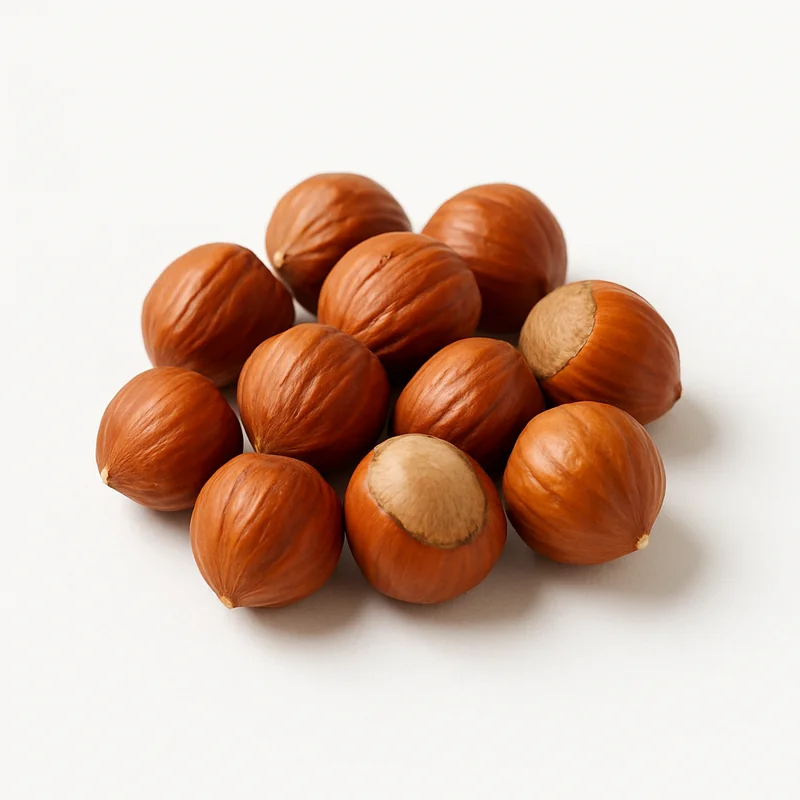
Hazelnut
ScoreA
Hazelnuts are nutrient-dense tree nuts rich in monounsaturated fats, fiber, and minerals, particularly magnesium and manganese, making them a valuable food for cardiovascular and metabolic health.
Why Hazelnut scores 89
% Daily Value per 1 oz (28 g)
Nutrition
per 100 g
Health benefits
Improved cardiovascular health and cholesterol profiles
strong evidenceHigh monounsaturated fat content reduces LDL oxidation and improves HDL levels; polyphenols reduce endothelial inflammation and enhance vasodilation
Enhanced insulin sensitivity and glycemic control
moderate evidenceFiber and magnesium slow glucose absorption and improve insulin signaling; healthy fats reduce postprandial lipemia which impairs insulin function
Reduced systemic inflammation
moderate evidencePolyphenols (including proanthocyanidins) and vitamin E neutralize free radicals and inhibit pro-inflammatory pathways
Improved bone density and mineral metabolism
moderate evidenceHigh manganese content is essential for osteoblast function; magnesium is required for calcium regulation and bone matrix formation
Enhanced cognitive function and neuroprotection
emerging evidencePolyphenols cross the blood-brain barrier and protect against neuroinflammation; magnesium supports synaptic plasticity
Pairs well with
- ·Pair with dark chocolate because both are rich in polyphenols that synergistically enhance antioxidant capacity and cardiovascular protection
- ·Combine with berries (blueberries, raspberries) because the vitamin C in berries enhances absorption of hazelnut iron and polyphenol bioavailability
- ·Pair with olive oil in dressings because both provide complementary monounsaturated fats that improve lipid profiles and fat-soluble vitamin absorption
- ·Mix with leafy greens in salads because the healthy fats in hazelnuts enhance absorption of fat-soluble vitamins (K, A, E) from greens
Practical tips
- ·Best timing: midday
- ·Store hazelnuts in an airtight container in a cool, dark place or refrigerator to prevent oxidation of their polyunsaturated fats; frozen hazelnuts maintain quality for 6+ months
- ·Choose raw or dry-roasted hazelnuts over oil-roasted varieties to avoid added oils and sodium; roasting at home at 350°F for 10-15 minutes enhances polyphenol bioavailability
- ·Consume 1 ounce (28g, approximately 23 whole hazelnuts) as an optimal portion to gain health benefits without excessive calorie intake for weight management
- ·Soak hazelnuts for 4-8 hours before consumption to reduce phytic acid content and improve mineral bioavailability, particularly for iron and zinc
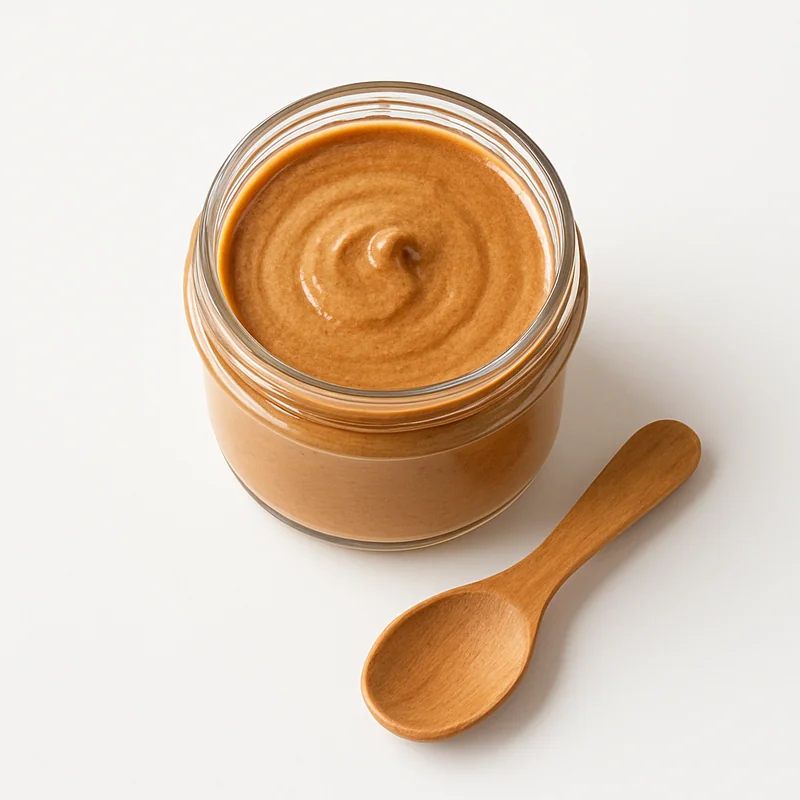
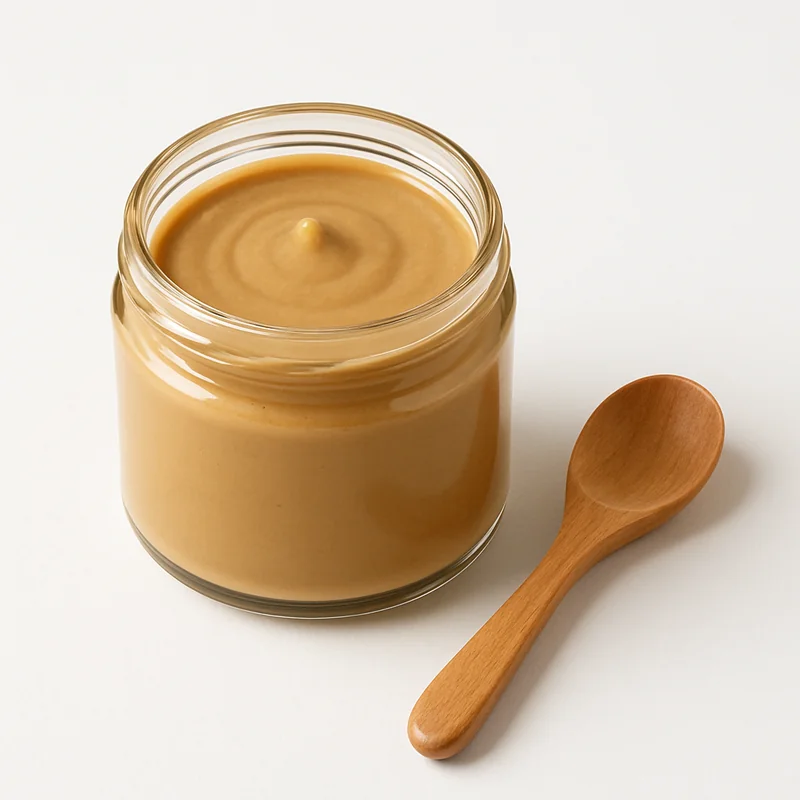
- ·Grind hazelnuts into butter or flour to increase digestibility and nutrient absorption, particularly beneficial for those with compromised digestive function
Related foods
What is Hazelnut actually covering?
See which nutrients your diet already delivers and which ones your supplements still need to — food and pills measured on the same scale.
Check my nutrients2 questions · free · no account needed to start
Also on iPhone — get the free app
Evidence-based supplement guides, no spam
We send a short digest when new guides drop — nothing else. No affiliate pushes, no sponsored content, unsubscribe anytime.