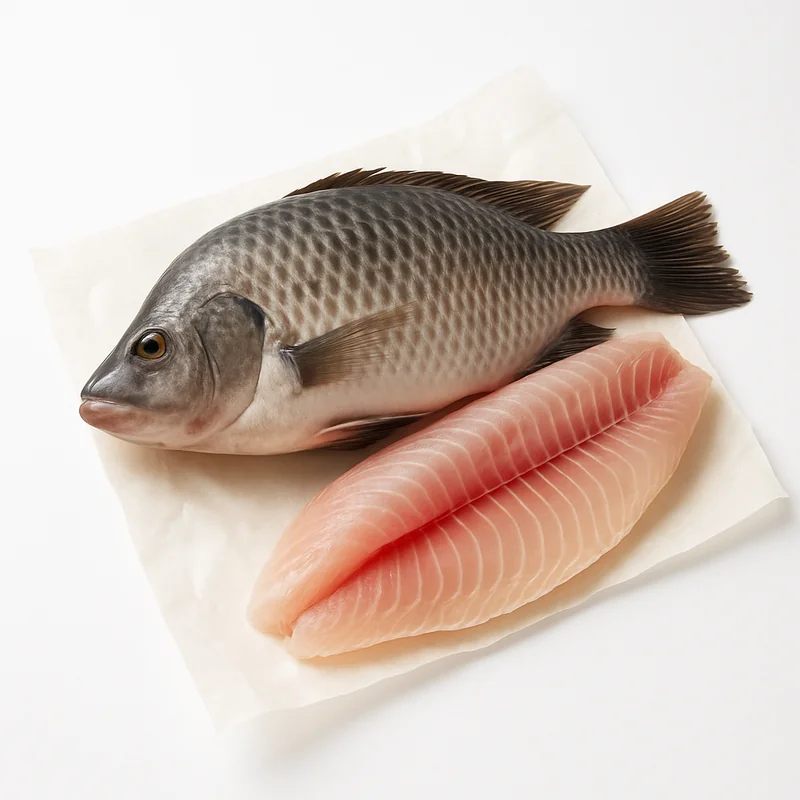
Tilapia
ScoreA
Tilapia is a mild-flavored, farmed freshwater fish rich in lean protein and selenium, offering a cost-effective source of omega-3 fatty acids and B vitamins for cardiovascular and metabolic health.
Why Tilapia scores 83
% Daily Value per 3 oz (85 g)
Nutrition
per 100 g
Health benefits
Supports cardiovascular health and blood pressure regulation
moderate evidenceHigh selenium content activates glutathione peroxidase, reducing vascular oxidative stress; omega-3 fatty acids promote endothelial function and reduce inflammation in arterial walls
Preserves lean muscle mass and supports protein synthesis in aging
strong evidenceComplete amino acid profile (especially high in leucine) stimulates mTOR signaling and muscle protein synthesis; supports sarcopenia prevention
Enhances antioxidant defense and reduces systemic inflammation
moderate evidenceSelenium serves as cofactor for selenoproteins including glutathione peroxidase and thioredoxin reductase; omega-3s (EPA/DHA) activate anti-inflammatory pathways via AMPK and reduce NF-κB signaling
Supports brain health and cognitive function in aging
emerging evidenceCholine and B12 support acetylcholine synthesis and myelin maintenance; selenium protects against neuroinflammation and cognitive decline
Supports thyroid function and metabolic rate
moderate evidenceSelenium is essential for selenoprotein synthesis in thyroid, including glutathione peroxidase which protects thyroid tissue from peroxide damage
Pairs well with
- ·Pair with cruciferous vegetables (broccoli, cauliflower) because both are selenium-rich; together they maximize selenoprotein synthesis and antioxidant capacity
- ·Combine with leafy greens (spinach, kale) because the iron in greens has enhanced bioavailability when paired with protein, and both support mitochondrial function
- ·Serve with turmeric-based preparations because curcumin enhances omega-3 absorption and synergistically reduces inflammatory pathways with tilapia's EPA/DHA
- ·Pair with legumes (lentils, chickpeas) because they provide polyphenols and fiber that support gut microbiota diversity, enhancing overall nutrient bioavailability
- ·Combine with citrus (lemon, lime) because vitamin C enhances selenium bioavailability and supports collagen synthesis for vascular and joint integrity
Practical tips
- ·Best timing: midday
- ·Choose farmed tilapia from certified sources (ASC—Aquaculture Stewardship Council) to ensure higher omega-3 feed formulation and lower contaminant risk
- ·Store fresh tilapia at 32-39°F and consume within 1-2 days; freeze at 0°F for up to 3 months to preserve selenium and omega-3 content
- ·Bake, grill, or poach tilapia rather than frying to minimize oxidation of omega-3 fatty acids and avoid trans fat formation
- ·Consume tilapia skin when possible, as selenium concentration is higher in skin tissue compared to flesh alone
- ·Pair tilapia consumption with adequate vitamin E intake (nuts, seeds) to protect omega-3 fatty acids from oxidation in circulation
Related foods
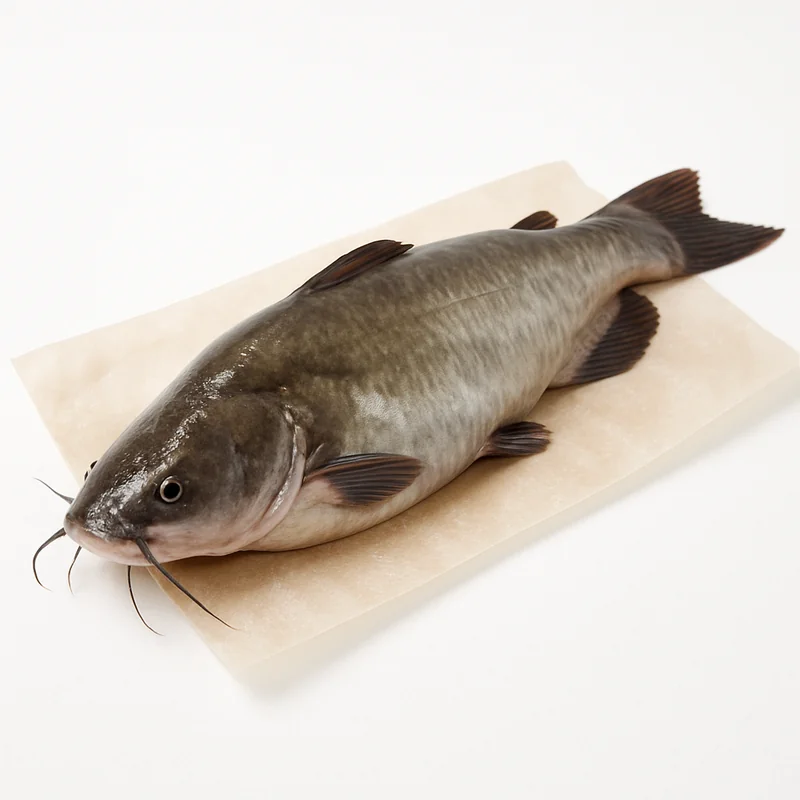
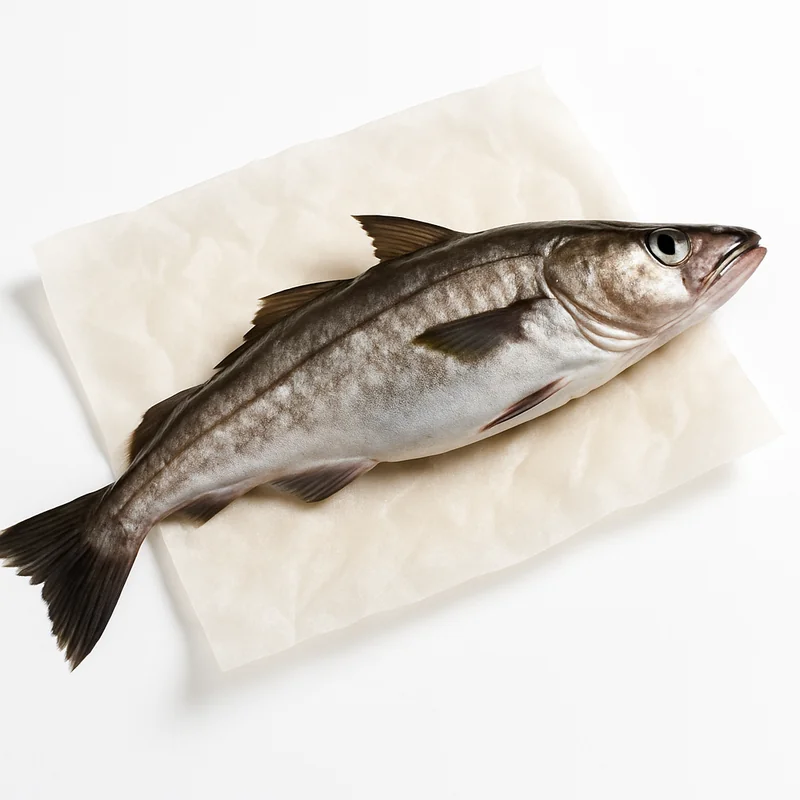
What is Tilapia actually covering?
See which nutrients your diet already delivers and which ones your supplements still need to — food and pills measured on the same scale.
Check my nutrients2 questions · free · no account needed to start
Also on iPhone — get the free app
Evidence-based supplement guides, no spam
We send a short digest when new guides drop — nothing else. No affiliate pushes, no sponsored content, unsubscribe anytime.