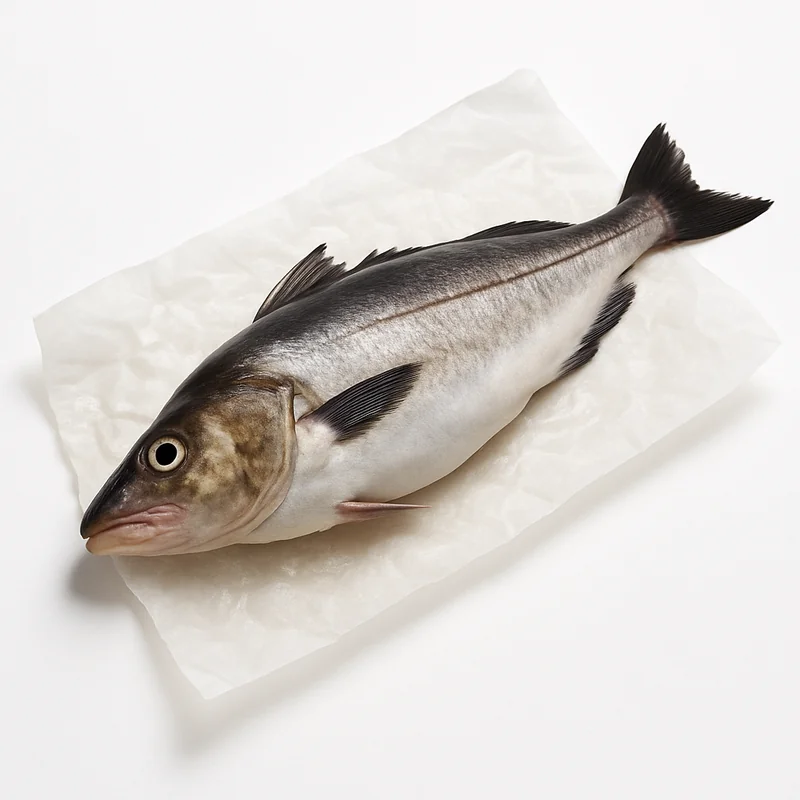
Haddock
ScoreA
Haddock is a lean white fish rich in high-quality protein and omega-3 fatty acids, making it an excellent choice for cardiovascular and cognitive health. It provides essential micronutrients including selenium, vitamin D, and B vitamins with minimal calories.
Why Haddock scores 82
% Daily Value per 3 oz (85 g)
Nutrition
per 100 g
Health benefits
Supports cardiovascular health and reduces atherosclerosis risk
strong evidenceOmega-3 fatty acids (EPA and DHA) reduce triglycerides, lower blood pressure, and improve endothelial function; selenium protects against oxidative damage to blood vessels
Preserves muscle mass and supports metabolic health
strong evidenceComplete protein with all essential amino acids stimulates muscle protein synthesis; low calorie density supports body composition maintenance
Supports cognitive function and may reduce neurodegenerative disease risk
moderate evidenceOmega-3 fatty acids support neuronal membrane integrity and synaptic plasticity; selenium protects against neuroinflammation
Enhances thyroid function and metabolic regulation
strong evidenceSelenium is a critical cofactor for selenoprotein synthesis, including glutathione peroxidase and thioredoxin reductase essential for thyroid hormone metabolism
Reduces systemic inflammation and supports immune resilience
moderate evidenceOmega-3 fatty acids shift immune response toward anti-inflammatory profile; vitamin D and selenium support regulatory T cell function
Pairs well with
- ·Pair with cruciferous vegetables (broccoli, Brussels sprouts) because their glucosinolates enhance selenium bioavailability and support phase II detoxification
- ·Combine with extra-virgin olive oil because polyphenols enhance omega-3 stability and reduce oxidative rancidity during cooking
- ·Serve with leafy greens (spinach, kale) because their high vitamin K content works synergistically with vitamin D from haddock for bone mineralization
- ·Pair with legumes (lentils, chickpeas) because complementary amino acids create complete protein profile with enhanced mineral absorption
Practical tips
- ·Best timing: midday
- ·Choose wild-caught or sustainably farmed haddock over Atlantic farm-raised varieties due to superior omega-3 profile and lower contaminant accumulation
- ·Steam or poach haddock at temperatures below 140°C (284°F) to preserve heat-sensitive B vitamins and prevent oxidative damage to omega-3s
- ·Consume the skin when available as it concentrates selenium and contains collagen peptides beneficial for joint and skin health
- ·Purchase flash-frozen haddock within 24 hours of catch, which preserves nutritional integrity better than thawed or aged fresh fish
- ·Store in coldest section of refrigerator (below 4°C) and use within 1-2 days of thawing, or keep frozen for up to 3 months
Related foods
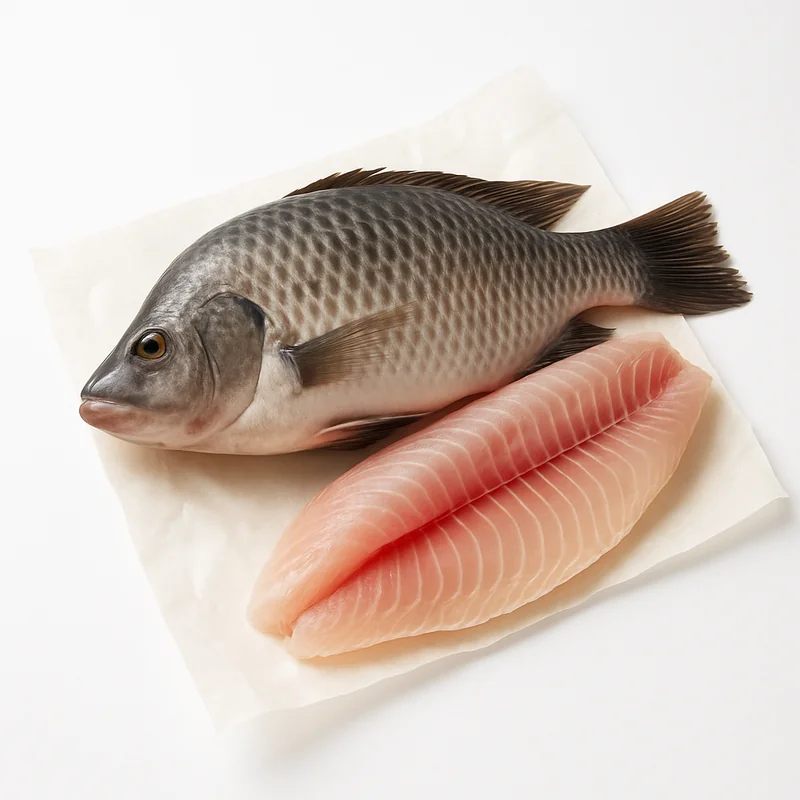
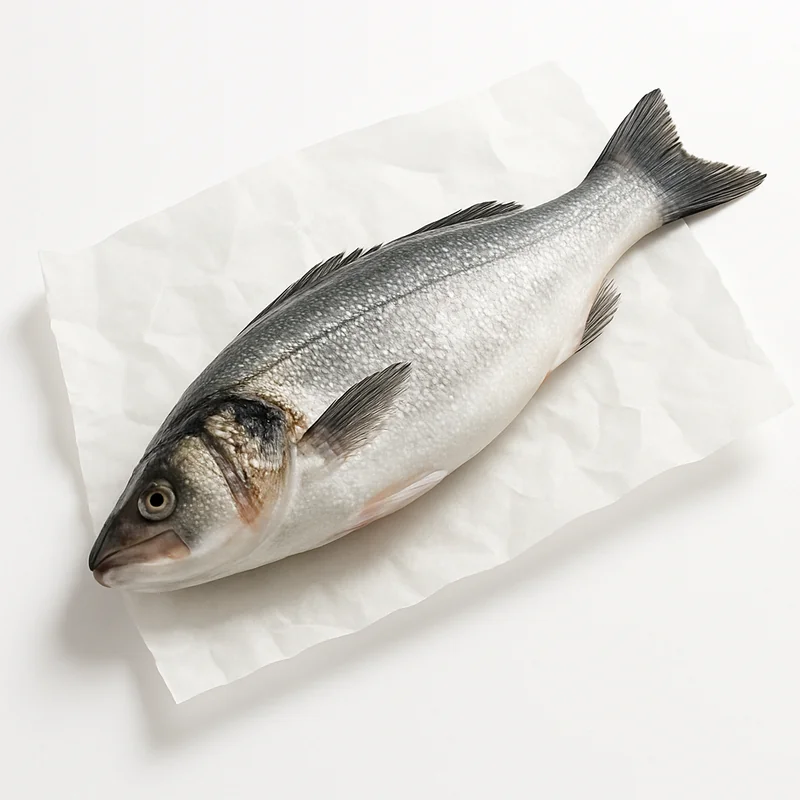
What is Haddock actually covering?
See which nutrients your diet already delivers and which ones your supplements still need to — food and pills measured on the same scale.
Check my nutrients2 questions · free · no account needed to start
Also on iPhone — get the free app
Evidence-based supplement guides, no spam
We send a short digest when new guides drop — nothing else. No affiliate pushes, no sponsored content, unsubscribe anytime.