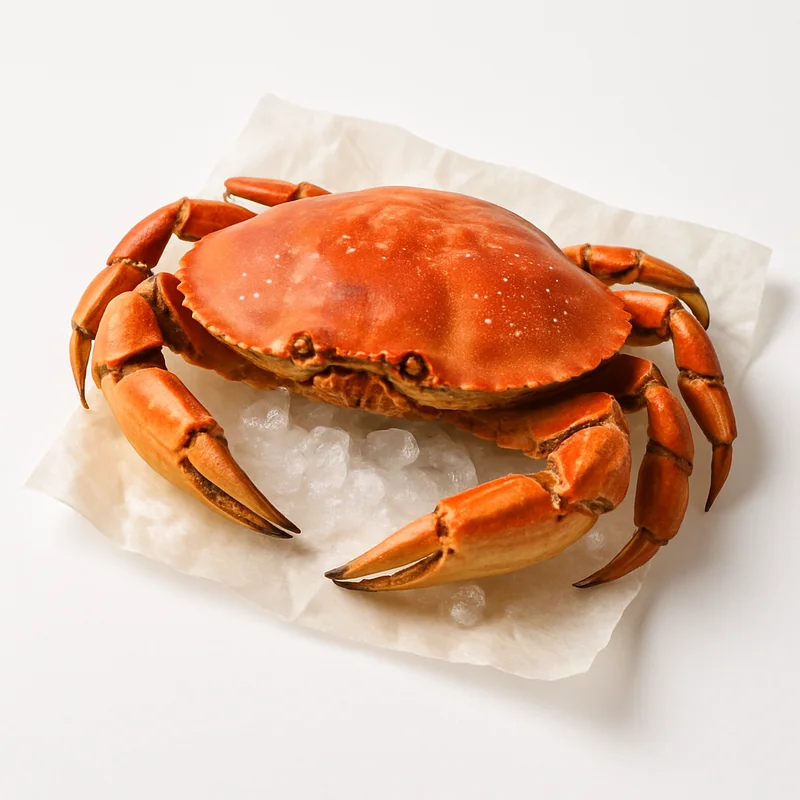
Crab
ScoreA
Crab is a nutrient-dense shellfish rich in high-quality protein, selenium, and bioactive compounds like astaxanthin, supporting cardiovascular and metabolic health with minimal caloric density.
Why Crab scores 79
% Daily Value per 3 oz (85 g)
Nutrition
per 100 g
Health benefits
Supports cardiovascular health and endothelial function
moderate evidenceAstaxanthin reduces oxidative stress in blood vessel walls, while selenium and omega-3 fatty acids improve cholesterol profiles and reduce arterial inflammation, promoting healthy blood flow and reducing atherosclerosis risk
Maintains muscle mass and supports protein synthesis
strong evidenceComplete protein profile with all essential amino acids, particularly leucine, activates mTOR signaling and muscle protein synthesis, critical for preserving lean mass during aging
Enhances thyroid function and metabolic rate
strong evidenceHigh selenium content (per serving) is essential for selenoprotein synthesis, including glutathione peroxidase and thioredoxin reductase, which regulate thyroid hormone metabolism and protect thyroid tissue from oxidative damage
Reduces neuroinflammation and supports cognitive resilience
moderate evidenceAstaxanthin crosses the blood-brain barrier and reduces neuroinflammatory cytokines; B12 supports myelin formation and mitochondrial function in neurons, protecting against age-related cognitive decline
Supports immune function and wound healing
moderate evidenceZinc and copper are cofactors for immune enzymes and collagen synthesis; selenium supports T-cell function and antiviral immunity through selenoprotein expression
Pairs well with
- ·Pair with lemon or lime: Vitamin C enhances iron and zinc absorption from crab meat, while citric acid improves mineral bioavailability
- ·Pair with cruciferous vegetables (broccoli, Brussels sprouts): Synergistic antioxidant effects; sulforaphane from cruciferous vegetables and astaxanthin from crab work through complementary pathways to reduce systemic inflammation
- ·Pair with leafy greens (spinach, kale): Vitamin K from greens works with crab's minerals (calcium, phosphorus, magnesium) to support bone mineralization and vascular health
- ·Pair with olive oil: Monounsaturated fats enhance absorption of fat-soluble astaxanthin and vitamin A; polyphenols in quality olive oil add additional cardioprotective antioxidants
Practical tips
- ·Best timing: midday
- ·Select live crabs or those with minimal odor; freshness maximizes astaxanthin bioavailability and reduces bacterial contamination risk
- ·Boil or steam rather than frying to preserve heat-sensitive B vitamins and avoid oxidizing the omega-3 content; steaming for 15-20 minutes is optimal
- ·Consume the hepatopancreas (soft yellow organ) which concentrates selenium and astaxanthin, though source quality matters—only from pristine waters
- ·Store live crabs at 4°C (39°F) in a humid environment; consume within 1-2 days of purchase for maximum nutrient retention
- ·Aim for 100-150g portions (one crab serving) 2-3 times weekly as part of a rotated seafood strategy to optimize selenium intake while managing mercury and iodine balance
Related foods
What is Crab actually covering?
See which nutrients your diet already delivers and which ones your supplements still need to — food and pills measured on the same scale.
Check my nutrients2 questions · free · no account needed to start
Also on iPhone — get the free app
Evidence-based supplement guides, no spam
We send a short digest when new guides drop — nothing else. No affiliate pushes, no sponsored content, unsubscribe anytime.