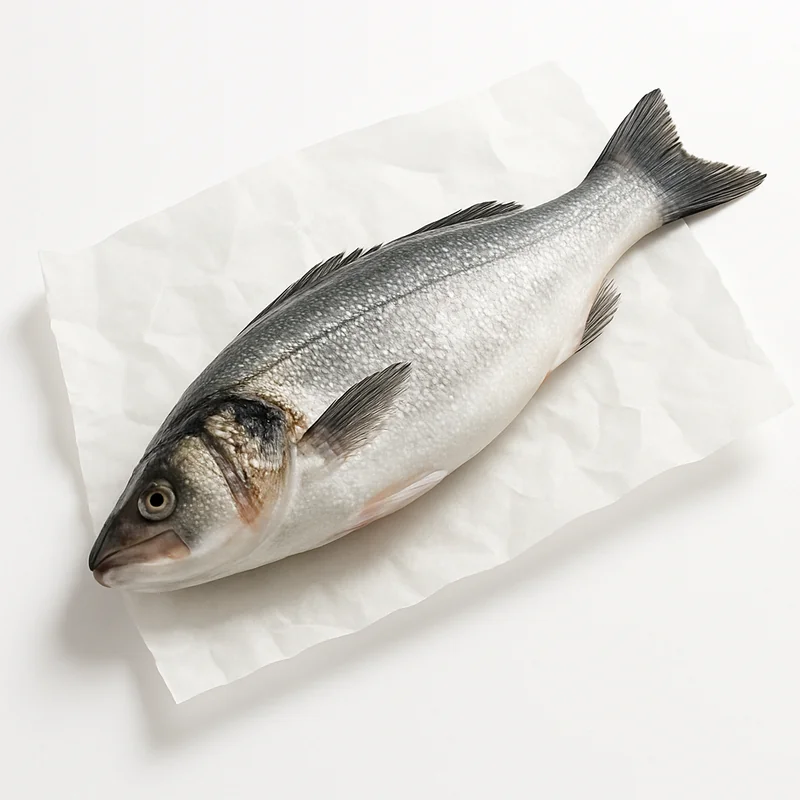
Fish
ScoreA
Fish is a lean protein source rich in omega-3 polyunsaturated fats, vitamins, and minerals essential for cardiovascular and cognitive health. Its nutrient density and low caloric content make it a cornerstone food for longevity-focused nutrition.
Why Fish scores 79
% Daily Value per 3 oz (85 g)
Nutrition
per 100 g
Health benefits
Cardiovascular disease risk reduction
strong evidenceOmega-3 fatty acids (EPA/DHA) reduce triglycerides, lower blood pressure, decrease platelet aggregation, and reduce arterial inflammation, collectively lowering cardiovascular mortality
Cognitive function and neurodegenerative disease prevention
strong evidenceDHA comprises ~20% of cerebral gray matter; omega-3s support synaptic plasticity, reduce neuroinflammation, and protect against amyloid-beta accumulation associated with Alzheimer's disease
Anti-inflammatory response
moderate evidenceEPA and DHA are substrates for specialized pro-resolving mediators that actively resolve inflammation rather than simply suppress it, reducing chronic disease risk
Healthy aging and muscle preservation
moderate evidenceComplete protein with all essential amino acids stimulates muscle protein synthesis; bioactive compounds in fish may preserve muscle mass with aging (sarcopenia prevention)
Metabolic health and insulin sensitivity
moderate evidenceOmega-3 fatty acids improve cell membrane fluidity affecting insulin receptor signaling and reduce hepatic lipid accumulation
Pairs well with
- ·Pair with leafy greens (spinach, kale) because vitamin K and antioxidants enhance omega-3 anti-inflammatory effects and support cardiovascular health synergistically
- ·Pair with citrus (lemon, lime) or tomato because vitamin C enhances non-heme iron bioavailability from fish, improving mineral absorption efficiency
- ·Pair with extra virgin olive oil because both contain omega-3s and polyphenols with complementary anti-inflammatory mechanisms; olive oil's antioxidants protect fish lipids from oxidation
- ·Pair with legumes (beans, lentils) because fish provides complete protein while legumes add fiber and polyphenols, creating a complete longevity-supporting meal structure
Practical tips
- ·Best timing: midday
- ·Choose fatty fish varieties (salmon, mackerel, sardines, herring) at least 2-3 times weekly to maximize EPA/DHA intake; whitefish provides protein but minimal omega-3s
- ·Purchase wild-caught when possible; wild fish contain higher omega-3 concentrations and lower contaminant levels than farm-raised varieties—check origin labels
- ·Consume fish within 1-2 days of purchase or freeze immediately at 0°F (-18°C) to preserve omega-3 integrity and prevent lipid oxidation that reduces bioactivity
- ·Prepare by gentle cooking methods (poaching, steaming, baking at <350°F) rather than high-heat frying to prevent omega-3 degradation and formation of harmful oxidation products
- ·Aim for 2-3 servings (150-200g each) weekly as recommended by major health organizations; this frequency optimizes cardiovascular and cognitive benefits while managing mercury exposure in high-mercury species
Related foods
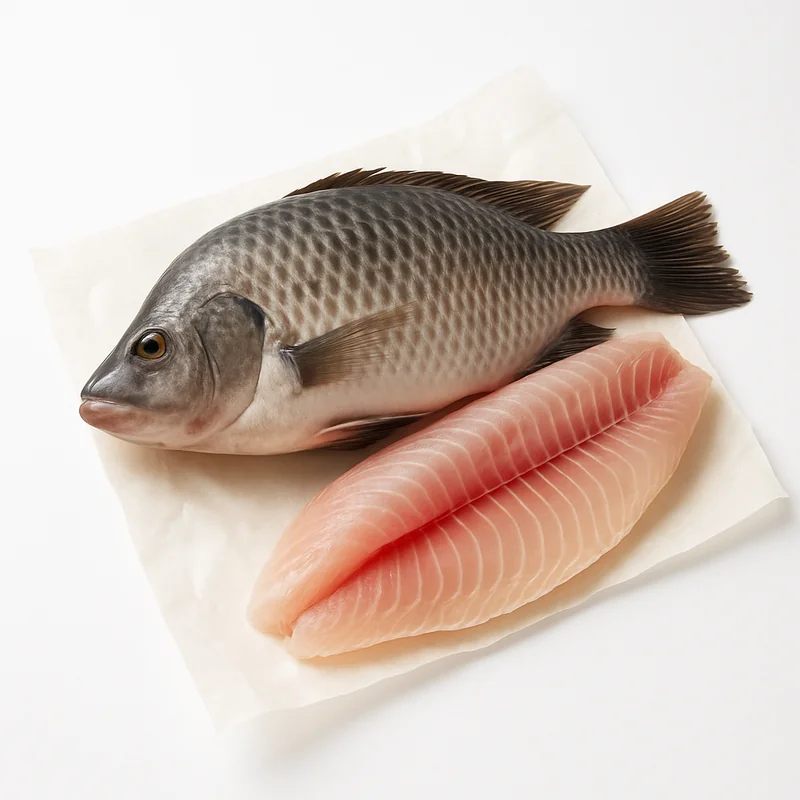
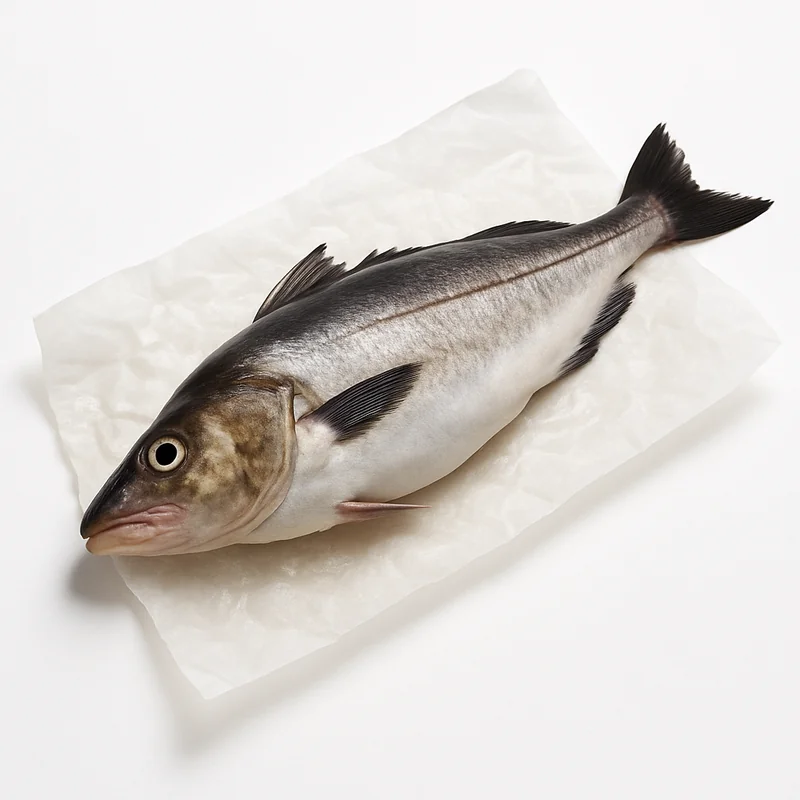

What is Fish actually covering?
See which nutrients your diet already delivers and which ones your supplements still need to — food and pills measured on the same scale.
Check my nutrients2 questions · free · no account needed to start
Also on iPhone — get the free app
Evidence-based supplement guides, no spam
We send a short digest when new guides drop — nothing else. No affiliate pushes, no sponsored content, unsubscribe anytime.