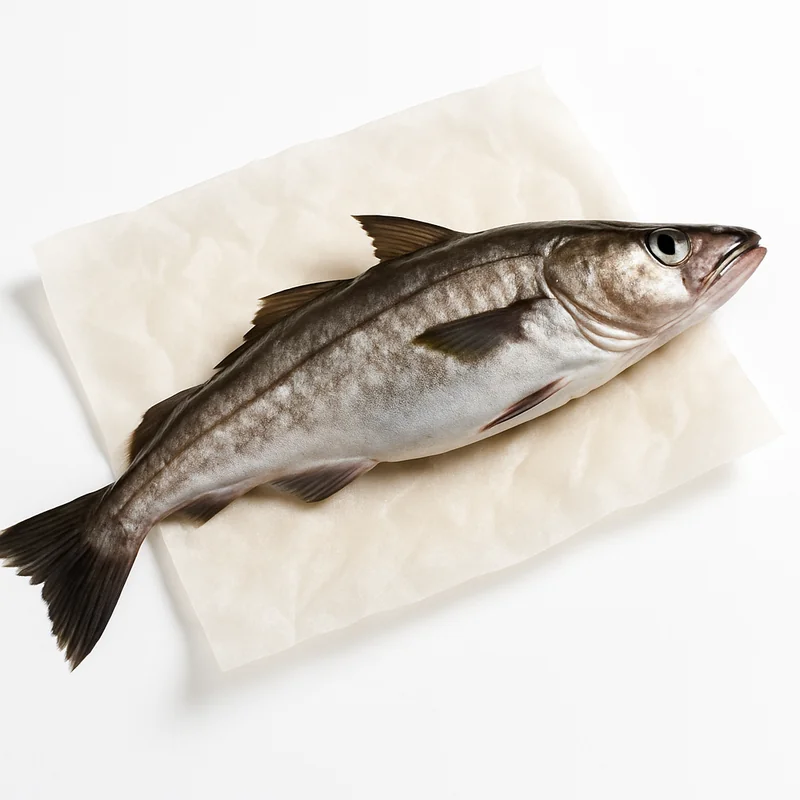
Pollock
ScoreA
Pollock is a lean white fish rich in high-quality protein and omega-3 fatty acids, making it an excellent seafood choice for cardiovascular and metabolic health.
Why Pollock scores 83
% Daily Value per 3 oz (85 g)
Nutrition
per 100 g
Health benefits
Supports cardiovascular health and reduced atherosclerosis risk
strong evidenceOmega-3 fatty acids (EPA/DHA) reduce triglycerides, lower blood pressure, and decrease platelet aggregation; selenium acts as a cofactor for glutathione peroxidase, protecting arterial endothelium from oxidative damage
Promotes cognitive function and neurological protection
strong evidenceB12 is essential for myelin formation and homocysteine metabolism; choline and omega-3s support synaptic plasticity and reduce neuroinflammation associated with cognitive decline
Preserves lean muscle mass and supports metabolic health
strong evidenceComplete amino acid profile with high bioavailability supports protein synthesis; leucine content activates mTOR pathway for muscle maintenance, particularly important with aging
Supports thyroid function and metabolic regulation
moderate evidenceIodine and selenium are essential cofactors for thyroid peroxidase and glutathione peroxidase enzymes required for thyroid hormone synthesis and T4-to-T3 conversion
Reduces systemic inflammation markers
moderate evidenceEPA and DHA compete with arachidonic acid for COX/LOX enzyme pathways, producing less pro-inflammatory eicosanoids; selenium supports selenoprotein antioxidant defenses
Pairs well with
- ·Pair with leafy greens (spinach, kale) because fat-soluble vitamins A, E, and K enhance absorption of omega-3s and support cardiovascular benefits
- ·Combine with cruciferous vegetables (broccoli, Brussels sprouts) because their sulfur compounds support Phase 2 liver detoxification of environmental contaminants and enhance iodine utilization
- ·Serve with lemon or citrus because ascorbic acid enhances non-heme iron absorption from accompanying vegetables and supports collagen synthesis for vascular integrity
- ·Pair with olive oil because polyphenols in EVOO synergize with omega-3s to reduce lipid peroxidation and enhance anti-inflammatory signaling
- ·Combine with turmeric-based dishes because curcumin potentiates omega-3 effects on NF-κB inflammatory pathways and improves bioavailability when paired with black pepper
Practical tips
- ·Best timing: midday
- ·Select frozen wild-caught pollock over farmed when possible, as it typically contains lower contaminant loads and higher omega-3 density due to natural diet
- ·Steam or bake pollock at 180°C (350°F) for 12-15 minutes to preserve heat-sensitive B vitamins; avoid prolonged high-heat cooking that oxidizes omega-3 fatty acids
- ·Consume skin-on when available—the thin layer contains collagen and carotenoids that support skin elasticity and joint health
- ·Store frozen pollock at -18°C or below for up to 6 months; thaw in refrigerator overnight rather than at room temperature to minimize oxidation and bacterial growth
- ·Consume 2-3 servings (100-150g) weekly as part of a rotation with fatty fish (salmon) to achieve optimal omega-3 intake while minimizing potential mercury exposure
Related foods
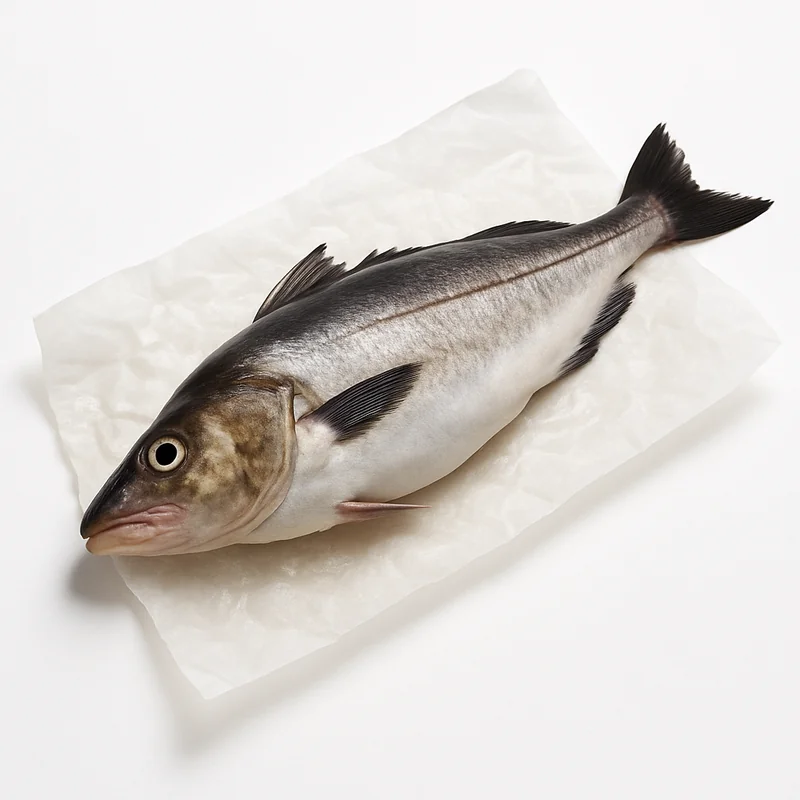
What is Pollock actually covering?
See which nutrients your diet already delivers and which ones your supplements still need to — food and pills measured on the same scale.
Check my nutrients2 questions · free · no account needed to start
Also on iPhone — get the free app
Evidence-based supplement guides, no spam
We send a short digest when new guides drop — nothing else. No affiliate pushes, no sponsored content, unsubscribe anytime.