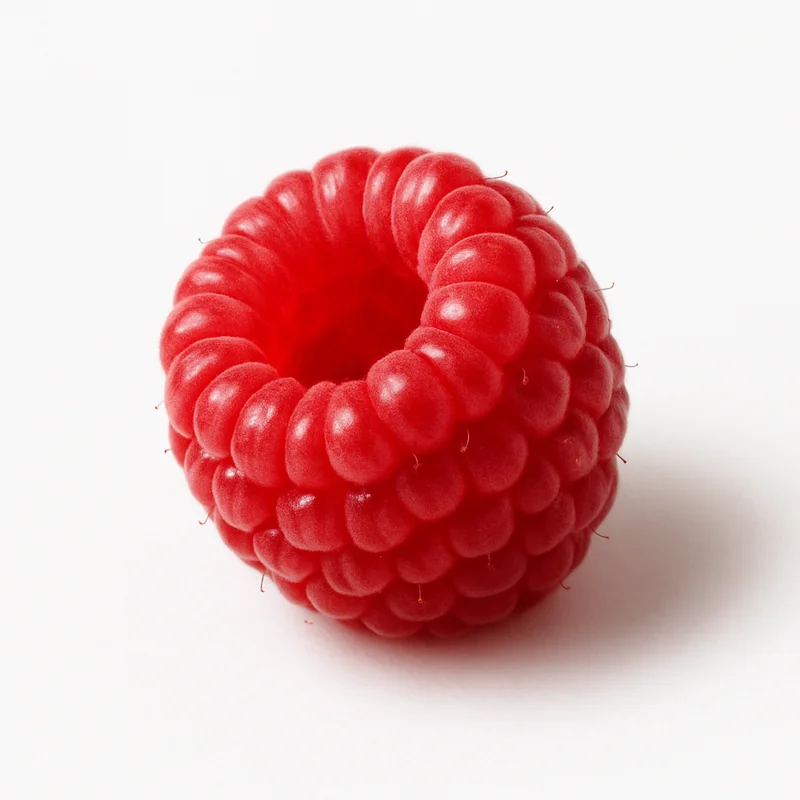
Raspberries
ScoreA+
Raspberries are a low-calorie, fiber-rich berry with high levels of vitamin C, polyphenols, and anthocyanins that support cellular health and longevity.
Why Raspberries scores 97
% Daily Value per 1 medium (140 g)
Nutrition
per 100 g
Health benefits
Reduced oxidative stress and inflammation via anthocyanin and ellagic acid content
strong evidenceAnthocyanins and ellagic acid scavenge free radicals and upregulate endogenous antioxidant enzyme systems (SOD, catalase), reducing systemic inflammation and oxidative DNA damage.
Improved cardiovascular health and endothelial function
moderate evidencePolyphenols enhance nitric oxide bioavailability, improving vascular dilation and reducing arterial stiffness; potassium supports healthy blood pressure regulation.
Enhanced gut microbiome diversity and metabolic health
moderate evidenceFiber and polyphenols serve as substrates for beneficial bacteria (Akkermansia, Faecalibacterium), promoting short-chain fatty acid production and improved glucose metabolism.
Neuroprotection and cognitive function support
moderate evidenceAnthocyanins cross the blood-brain barrier and reduce neuroinflammation, protecting against age-related cognitive decline via suppression of pro-inflammatory cytokines.
Improved glycemic control and insulin sensitivity
moderate evidenceHigh fiber content slows glucose absorption; polyphenols inhibit carbohydrate-digesting enzymes and enhance glucose uptake in skeletal muscle.
Pairs well with
- ·Pair with Greek yogurt or kefir because the probiotics synergize with raspberry polyphenols to enhance gut barrier integrity and microbial diversity.
- ·Combine with almonds or walnuts because vitamin E in nuts enhances the bioavailability and antioxidant efficacy of raspberry anthocyanins.
- ·Mix with dark chocolate (85%+ cacao) because both are rich in polyphenols; together they create a synergistic reduction in oxidative stress and improve vascular function.
- ·Pair with green tea because catechins in tea enhance the absorption and bioactivity of raspberry flavonoids through complementary polyphenol interactions.
Practical tips
- ·Best timing: Raspberries have low glycemic impact and no caffeine, making them suitable any time of day. Mid-morning or as a post-meal addition (within 30 minutes after eating carbohydrates) may be slightly advantageous for glycemic control. Evening consumption is safe and may support overnight antioxidant defense.
- ·Purchase fresh raspberries during peak season (June-August in Northern Hemisphere) and freeze immediately on a flat tray, then transfer to airtight containers; frozen raspberries retain anthocyanin content for 6-12 months and are often more affordable.
- ·Consume raspberries with their seeds intact—the seed tannins contain additional ellagic acid and proanthocyanidins that enhance antioxidant power.
- ·Avoid washing raspberries until just before consumption, as their delicate structure and natural bloom (white surface coating) protect polyphenols from oxidation.
- ·Add raspberries to smoothie bowls or oatmeal rather than cooking, as heat degrades heat-sensitive anthocyanins; if cooking is desired, use low temperatures and minimal time.
- ·Aim for 100-150g daily (approximately 1 cup) to achieve meaningful polyphenol intake without excessive fructose; this amount delivers ~15-20g fiber and 50+ mg total polyphenols.
Related foods
What is Raspberries actually covering?
See which nutrients your diet already delivers and which ones your supplements still need to — food and pills measured on the same scale.
Check my nutrients2 questions · free · no account needed to start
Also on iPhone — get the free app
Evidence-based supplement guides, no spam
We send a short digest when new guides drop — nothing else. No affiliate pushes, no sponsored content, unsubscribe anytime.