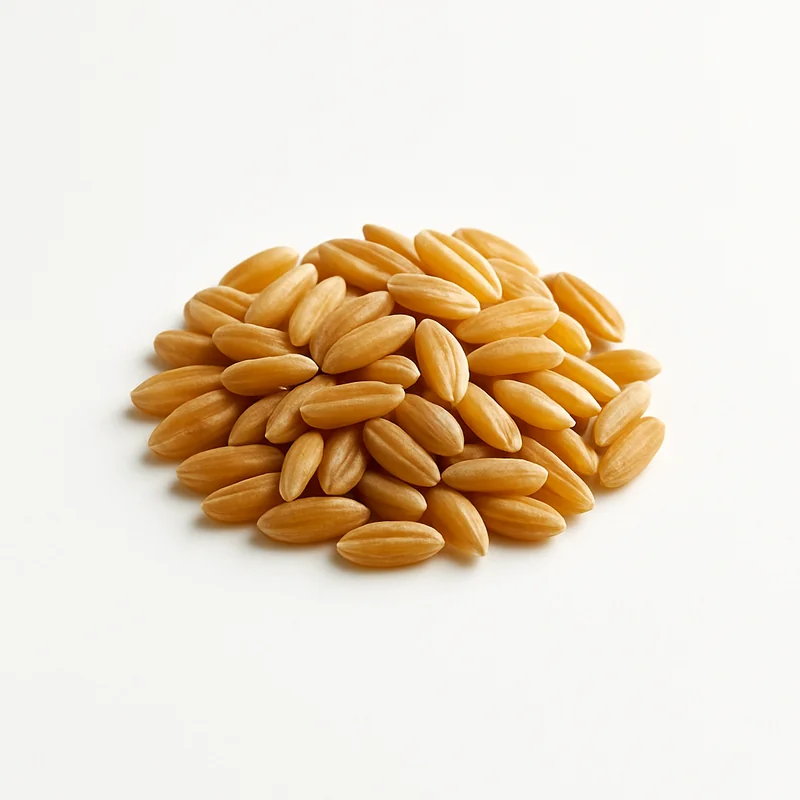
Khorasan
ScoreA
Khorasan is an ancient wheat variety rich in protein, fiber, and minerals, offering superior nutritional density compared to modern wheat varieties. Its high micronutrient profile makes it particularly valuable for metabolic health and sustained energy.
Why Khorasan scores 84
% Daily Value per ½ cup (50 g)
Nutrition
per 100 g
Health benefits
Supports stable blood glucose and metabolic health
strong evidenceHigh fiber content (10.52g/100g) slows glucose absorption and feeds beneficial gut bacteria, promoting consistent insulin sensitivity
Enhanced mineral bioavailability for bone and metabolic function
moderate evidenceKhorasan contains lower phytic acid levels than modern wheat, improving absorption of magnesium, zinc, and phosphorus needed for bone mineralization and mitochondrial ATP production
Reduced systemic inflammation
moderate evidencePolyphenols and carotenoids in the bran act as antioxidants, suppressing pro-inflammatory cytokine production implicated in cardiovascular and neurodegenerative aging
Improved satiety and lean body composition maintenance
moderate evidence14.76g protein per 100g combined with high fiber increases postprandial satiety signals (PYY, GLP-1), reducing overall caloric intake without conscious restriction
Gut barrier integrity and microbiota diversity
moderate evidenceSoluble fiber and resistant starch from whole grain Khorasan serve as prebiotics, feeding short-chain fatty acid–producing bacteria that strengthen intestinal tight junctions
Pairs well with
- ·Pair with iron-rich leafy greens (spinach, kale) or legumes—vitamin C from the vegetables enhances non-heme iron absorption from Khorasan's 3.874mg iron content
- ·Combine with healthy fats (olive oil, nuts, seeds)—fat-soluble carotenoids and polyphenols in Khorasan require dietary fat for optimal absorption
- ·Mix with zinc-rich foods like pumpkin seeds or oysters—synergistic mineral absorption when consumed together improves bioavailability of both foods
- ·Pair with fermented foods (kefir, sauerkraut)—probiotics enhance breakdown of phytic acid remaining in Khorasan and improve mineral absorption
Practical tips
- ·Best timing: midday
- ·Purchase whole grain Khorasan berries rather than refined flour to preserve the 10.52g fiber, phytonutrients, and micronutrients; refined versions lose 30-40% mineral content
- ·Soak or sprout Khorasan grains for 8-12 hours before cooking to further reduce phytic acid and improve mineral digestibility by up to 25%
- ·Store in airtight containers in cool, dark conditions (ideally refrigerated); whole Khorasan grains remain viable for 6-12 months due to lower oxidation than modern wheat
- ·Cook with a 1:2.5 grain-to-water ratio; Khorasan requires 20-25 minutes to reach optimal tenderness while retaining chewy texture and intact fiber structure
- ·Consume as part of mixed-grain bowls rather than as the sole carbohydrate to ensure amino acid completeness (pair with legumes for complete protein profile)
Related foods
What is Khorasan actually covering?
See which nutrients your diet already delivers and which ones your supplements still need to — food and pills measured on the same scale.
Check my nutrients2 questions · free · no account needed to start
Also on iPhone — get the free app
Evidence-based supplement guides, no spam
We send a short digest when new guides drop — nothing else. No affiliate pushes, no sponsored content, unsubscribe anytime.