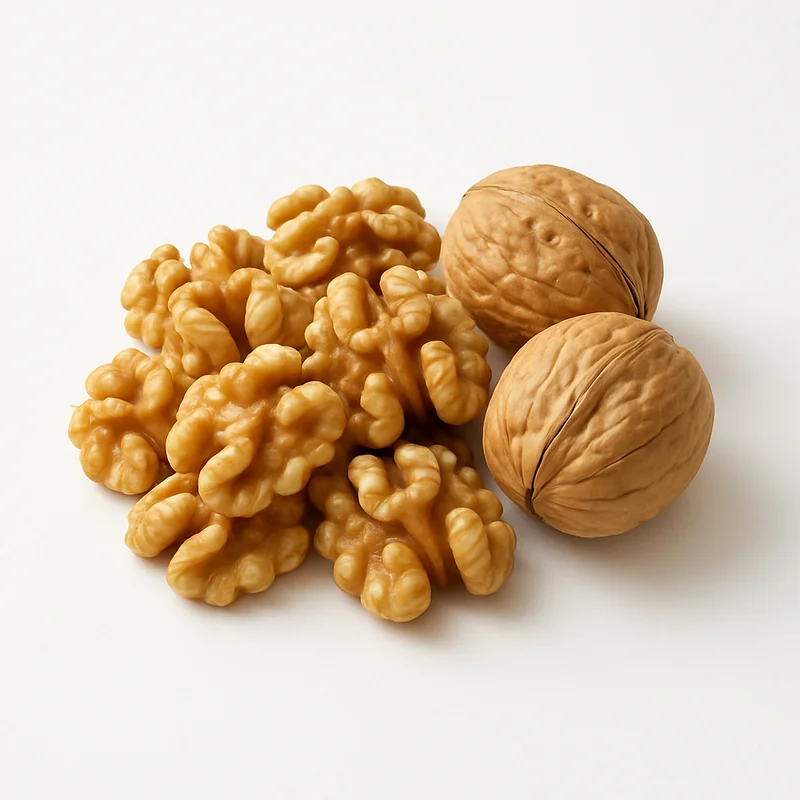
Walnuts
ScoreA+
Walnuts are nutrient-dense tree nuts exceptionally rich in plant-based omega-3 fatty acids (ALA) and polyphenols, making them a cornerstone food for cardiovascular and cognitive longevity.
Why Walnuts scores 91
% Daily Value per 1 oz (28 g)
Nutrition
per 100 g
Health benefits
Improved cardiovascular health and reduced atherosclerosis risk
strong evidenceALA omega-3s and polyphenols reduce LDL oxidation, improve endothelial function, and decrease arterial inflammation; copper supports collagen cross-linking in blood vessel walls
Enhanced cognitive function and reduced neurodegenerative disease risk
moderate evidenceALA and polyphenols cross the blood-brain barrier; polyphenols reduce amyloid-beta accumulation and neuroinflammation; magnesium supports synaptic plasticity
Improved gut microbiome diversity and metabolic endotoxemia reduction
moderate evidencePolyphenols undergo colonic fermentation, promoting beneficial taxa (Lactobacillus, Faecalibacterium); increased short-chain fatty acid production reduces lipopolysaccharide translocation
Reduced systemic inflammation and improved inflammatory markers
strong evidencePolyphenolic metabolites activate intestinal barrier function; reduced bacterial lipopolysaccharide absorption decreases TNF-α and IL-6 signaling
Enhanced insulin sensitivity and metabolic health
moderate evidenceHigh fiber and magnesium content improve glucose regulation; polyphenols enhance insulin receptor sensitivity and mitochondrial function
Pairs well with
- ·Pair with blueberries because both are polyphenol-rich; anthocyanins from blueberries synergize with walnut polyphenols to enhance antioxidant and anti-inflammatory effects
- ·Pair with extra virgin olive oil because both contain polyphenols that work additively; oleocanthal from EVOO enhances the absorption of walnut polyphenols through similar metabolic pathways
- ·Pair with leafy greens (spinach, arugula) because phylloquinone (vitamin K1) from greens enhances bone mineralization while walnut minerals (magnesium, copper, phosphorus) support bone matrix formation
- ·Pair with pomegranate because punicalagins amplify the anti-inflammatory effects of walnut polyphenols through complementary molecular targets (NF-κB and MAPK pathways)
Practical tips
- ·Best timing: Walnuts have no circadian constraints; consuming them with main meals (breakfast, lunch, or dinner) enhances polyphenol absorption by increasing gastric transit time and bile acid secretion. Morning consumption may provide cognitive benefits throughout the day due to sustained ALA and polyphenol bioavailability.
- ·Store walnuts in airtight containers in the refrigerator or freezer (up to 12 months) to prevent oxidation of polyunsaturated fats; room temperature storage reduces polyphenol content within 4-8 weeks
- ·Consume 28-42g daily (1-1.5 ounces, approximately 7-10 whole walnuts) to achieve therapeutic doses of ALA (2.5-4g) while staying within caloric targets for weight management
- ·Soak walnuts in water for 30 minutes before consumption or light roasting at ≤160°C to reduce phytic acid content and enhance mineral bioavailability without degrading heat-sensitive polyphenols
- ·Choose raw or lightly roasted walnuts over heavily processed varieties; roasting above 180°C reduces polyphenol content by 10-15% compared to raw walnuts
- ·Add walnuts to morning meals to increase early-day satiety and stabilize blood glucose throughout the day, supporting circadian metabolic health
Related foods
What is Walnuts actually covering?
See which nutrients your diet already delivers and which ones your supplements still need to — food and pills measured on the same scale.
Check my nutrients2 questions · free · no account needed to start
Also on iPhone — get the free app
Evidence-based supplement guides, no spam
We send a short digest when new guides drop — nothing else. No affiliate pushes, no sponsored content, unsubscribe anytime.