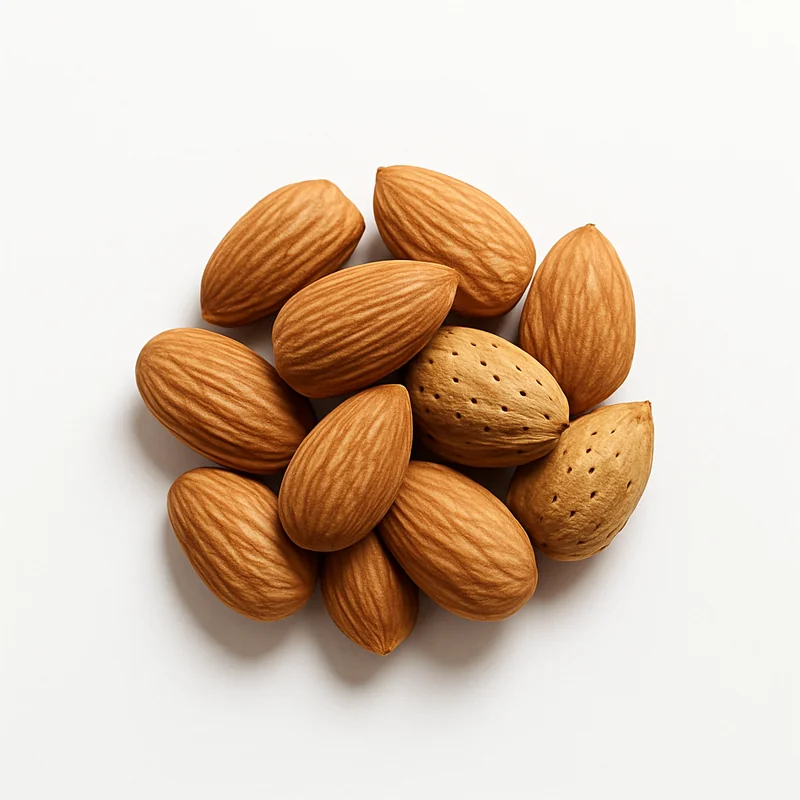
Almonds
ScoreA+
Almonds are nutrient-dense tree nuts providing high-quality plant protein, healthy fats, and exceptional vitamin E content, making them a cornerstone food for cardiovascular and metabolic health.
Why Almonds scores 93
% Daily Value per 1 oz (28 g)
Nutrition
per 100 g
Health benefits
Improved cardiovascular health and lipid profile optimization
strong evidenceMonounsaturated fats and polyphenols in almonds reduce LDL cholesterol oxidation, increase HDL cholesterol, and lower triglycerides, while magnesium supports vascular function and blood pressure regulation
Enhanced insulin sensitivity and blood glucose control
strong evidenceHigh fiber and protein content slows carbohydrate absorption, while polyphenols improve pancreatic function and insulin signaling pathways
Reduced systemic inflammation and oxidative stress
moderate evidenceVitamin E and skin polyphenols act as potent antioxidants, neutralizing free radicals and suppressing pro-inflammatory cytokines
Bone health support and mineral bioavailability
moderate evidenceHigh calcium, magnesium, and phosphorus content provides essential minerals for bone structure; magnesium facilitates vitamin K-dependent bone metabolism
Increased satiety and metabolic efficiency for weight management
strong evidenceCombination of protein, fiber, and fat triggers prolonged satiety signals through CCK and GLP-1 pathways, reducing overall caloric intake and supporting metabolic health
Pairs well with
- ·Pair with blueberries because anthocyanins in blueberries enhance the absorption and efficacy of almond polyphenols while providing complementary antioxidant protection
- ·Combine with dark leafy greens (spinach, kale) because vitamin E from almonds enhances the absorption of fat-soluble vitamin K from greens, optimizing bone and cardiovascular health
- ·Mix with omega-3 rich seeds (flax, chia) because this creates a superior omega-6 to omega-3 ratio and amplifies total anti-inflammatory effects
- ·Pair with turmeric or ginger because the lipid matrix in almonds enhances curcumin and gingerol absorption, maximizing their anti-inflammatory bioavailability
Practical tips
- ·Best timing: Almonds are metabolically favorable at any time due to their low glycemic index, high satiety value, and lack of stimulating compounds. Morning consumption supports sustained energy and protein intake; mid-afternoon consumption prevents energy crashes; evening consumption supports satiety without sleep disruption. Pre-workout timing (1-2 hours before) provides sustained energy from fats and amino acids.
- ·Store almonds in airtight containers in a cool, dark place or refrigerator to preserve vitamin E and prevent oxidation of polyunsaturated fats; whole almonds have superior shelf stability compared to blanched or sliced varieties
- ·Consume almonds with the skin intact whenever possible, as almond skin contains 10-20x higher polyphenol concentration than the nut flesh alone
- ·Soak almonds in water for 8-12 hours before consumption to reduce phytic acid content by up to 60%, enhancing mineral bioavailability of magnesium, calcium, and zinc
- ·Portion control recommendation: 23 almonds (approximately 1 ounce or 28g) provides optimal nutrient density with balanced caloric intake; this quantity delivers ~160 calories and 6g protein
- ·Avoid roasting at high temperatures (>320°F) as this damages heat-sensitive vitamin E and converts some fats to trans configurations; opt for raw, lightly dry-roasted, or sprouted varieties
Related foods
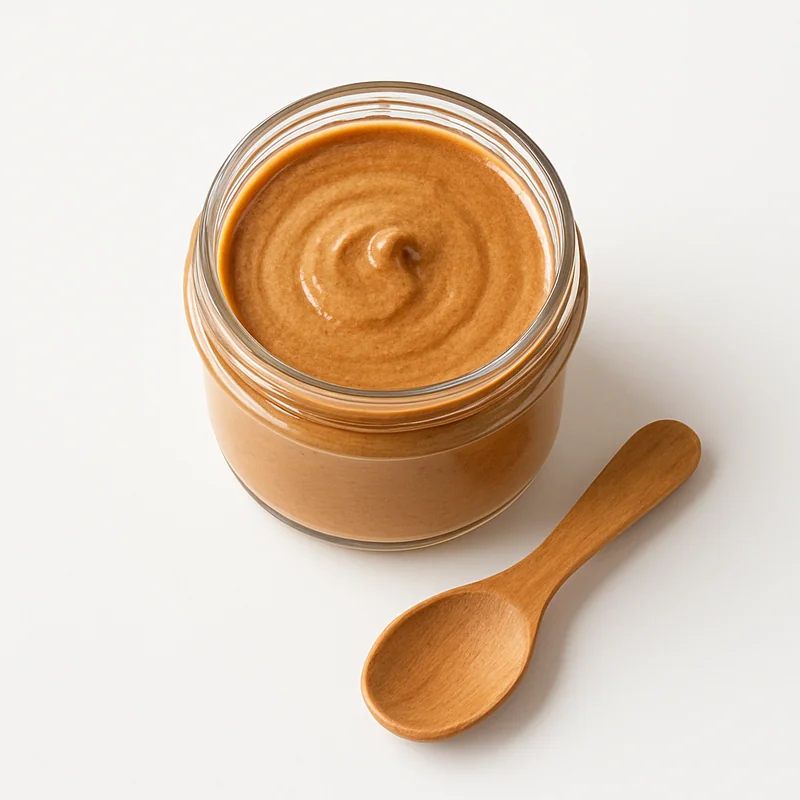
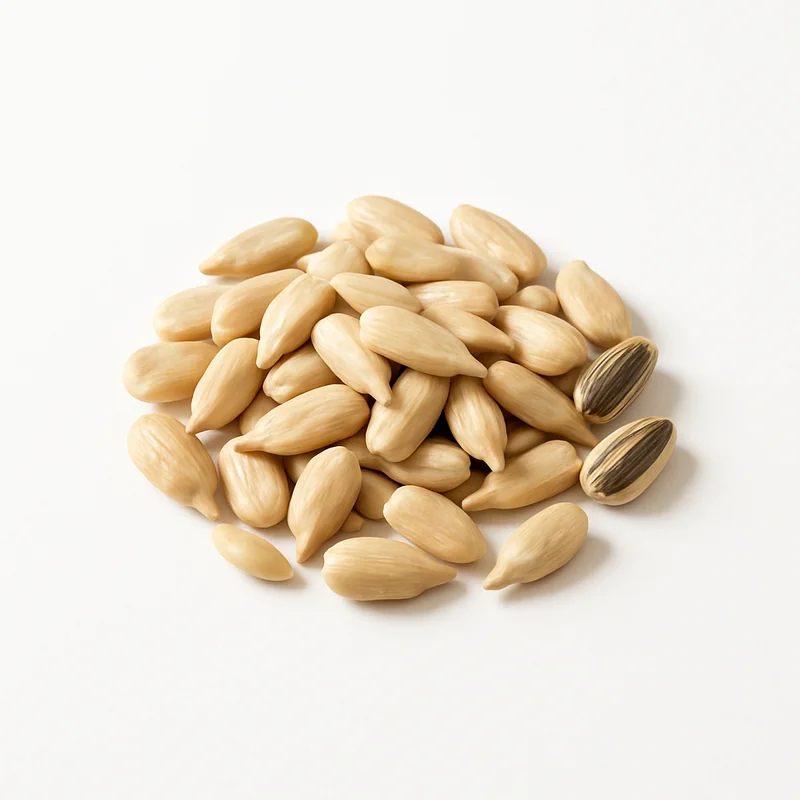
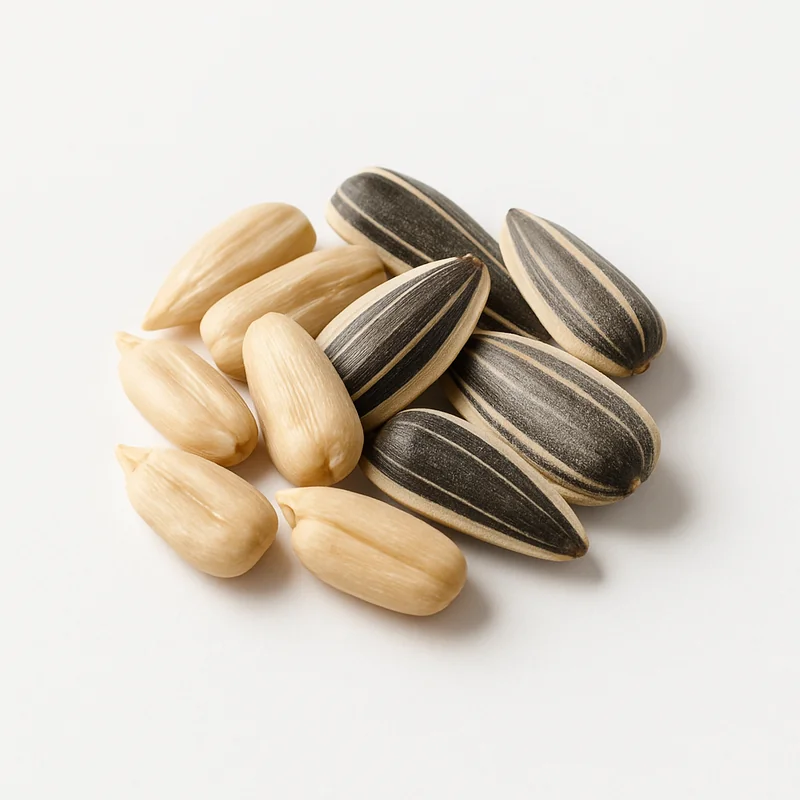
What is Almonds actually covering?
See which nutrients your diet already delivers and which ones your supplements still need to — food and pills measured on the same scale.
Check my nutrients2 questions · free · no account needed to start
Also on iPhone — get the free app
Evidence-based supplement guides, no spam
We send a short digest when new guides drop — nothing else. No affiliate pushes, no sponsored content, unsubscribe anytime.