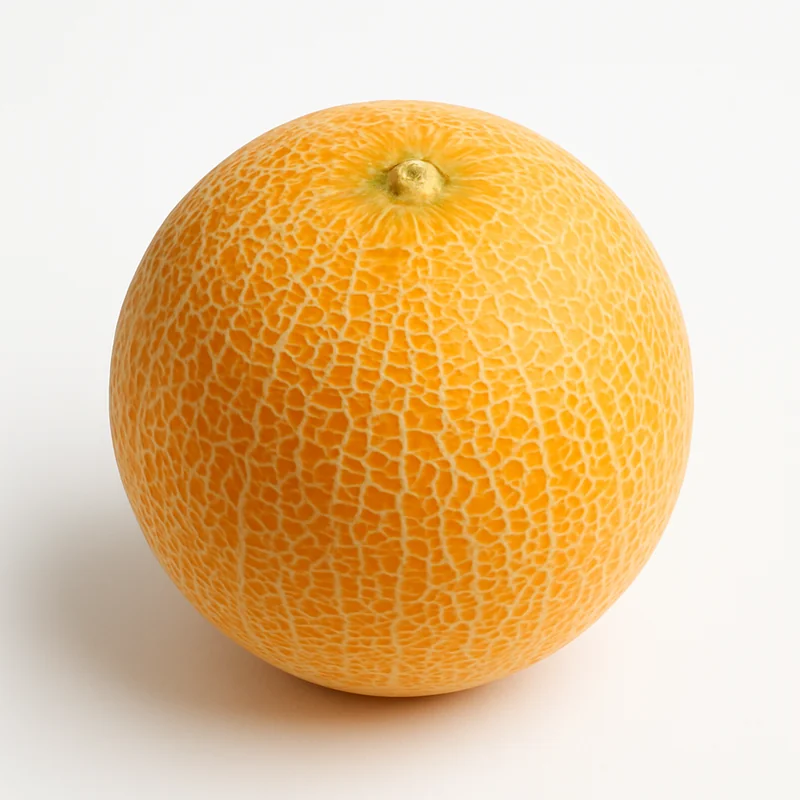
Cantaloupe
ScoreA
Cantaloupe is a nutrient-dense orange melon rich in beta-carotene, vitamin C, and potassium, offering significant antioxidant and anti-inflammatory benefits with minimal calories.
Why Cantaloupe scores 81
% Daily Value per 1 medium (140 g)
Nutrition
per 100 g
Health benefits
Enhanced antioxidant defense and reduced cellular oxidative stress
strong evidenceBeta-carotene and vitamin C neutralize free radicals and regenerate other antioxidants like vitamin E, protecting cellular DNA and mitochondria from age-related damage
Improved eye health and vision preservation
strong evidenceBeta-carotene converts to retinol, essential for retinal function and macular health; lutein and zeaxanthin in cantaloupe protect against age-related macular degeneration
Cardiovascular support and blood pressure regulation
moderate evidenceHigh potassium content (267mg/100g) promotes sodium-potassium balance, reducing vascular stiffness and supporting healthy blood pressure; fiber supports cholesterol metabolism
Enhanced immune resilience and reduced infection risk
moderate evidenceVitamin C stimulates white blood cell production and function; beta-carotene supports mucosal barrier integrity in respiratory and digestive tracts
Skin health and collagen integrity
moderate evidenceVitamin C is essential cofactor for collagen cross-linking; beta-carotene protects skin from UV-induced oxidative damage and supports dermal elasticity
Pairs well with
- ·Pair with lime or lemon juice because citric acid enhances beta-carotene absorption and adds additional vitamin C for synergistic antioxidant effects
- ·Combine with cottage cheese or Greek yogurt because fat-soluble beta-carotene requires dietary lipids for optimal absorption; protein supports satiety
- ·Eat with berries (blueberries, raspberries) because complementary polyphenols create synergistic anti-inflammatory and antioxidant benefits targeting different cellular pathways
- ·Pair with prosciutto or salmon because the fat content in these proteins dramatically increases carotenoid bioavailability while adding selenium and omega-3s
- ·Combine with fresh mint because mint's menthol enhances digestive efficiency and provides additional antimicrobial compounds
Practical tips
- ·Best timing: midday
- ·Select cantaloupes with a firm, beige netted skin and sweet aromatic fragrance; avoid soft spots or mold. Store at room temperature until ripe (2-3 days), then refrigerate for up to 5 days to preserve nutrient density
- ·Cut cantaloupe just before consumption to minimize oxidative loss of vitamin C; whole melons maintain nutrient integrity longer than pre-cut fruit
- ·Consume cantaloupe in the context of balanced meals containing protein and healthy fats to maximize beta-carotene absorption; avoid consuming as sole food to prevent blood sugar spikes
- ·Peak ripeness indicates maximum carotenoid concentration; wait for sweet aroma and slight give at the blossom end before harvesting or purchasing
- ·The seeds contain magnesium and polyphenols; lightly roast and consume for additional micronutrient benefit and satiety support
Related foods

What is Cantaloupe actually covering?
See which nutrients your diet already delivers and which ones your supplements still need to — food and pills measured on the same scale.
Check my nutrients2 questions · free · no account needed to start
Also on iPhone — get the free app
Evidence-based supplement guides, no spam
We send a short digest when new guides drop — nothing else. No affiliate pushes, no sponsored content, unsubscribe anytime.