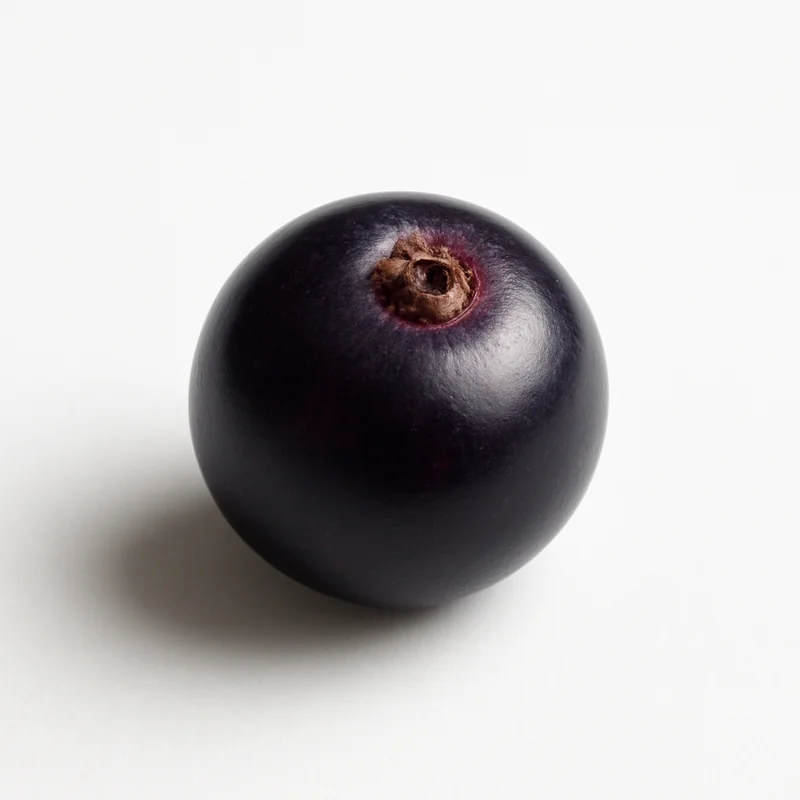
Elderberries
ScoreA+
Elderberries are dark purple berries rich in anthocyanins and vitamin C, traditionally used in herbal medicine and increasingly studied for immune support and anti-inflammatory properties.
Why Elderberries scores 96
% Daily Value per 1 medium (140 g)
Nutrition
per 100 g
Health benefits
Enhanced immune response and reduced duration/severity of upper respiratory infections
moderate evidenceAnthocyanins and other polyphenols stimulate interferon production and enhance natural killer cell activity, supporting the innate immune system's ability to combat viral pathogens
Reduced systemic inflammation and oxidative stress
moderate evidenceHigh anthocyanin content provides potent antioxidant activity, neutralizing free radicals and reducing pro-inflammatory cytokine production
Improved cardiovascular health markers
moderate evidencePolyphenols improve endothelial function, reduce blood pressure, and lower LDL oxidation risk; potassium (280mg/100g) supports healthy blood pressure regulation
Glycemic control support
moderate evidenceAnthocyanins enhance insulin secretion and improve insulin sensitivity, with high fiber content (7g/100g) slowing glucose absorption
Neuroprotection and cognitive resilience
emerging evidenceAnthocyanins cross the blood-brain barrier and reduce neuroinflammation, supporting microglia regulation and synaptic plasticity
Pairs well with
- ·Pair with black pepper or piperine-containing foods because piperine enhances anthocyanin bioavailability and absorption in the small intestine
- ·Combine with ginger because both are traditionally used for immune support and their polyphenols work synergistically to reduce inflammation
- ·Mix with zinc-rich foods (pumpkin seeds, oysters) because zinc and vitamin C together optimize immune cell function and antibody production
- ·Pair with healthy fats (coconut oil, olive oil) because anthocyanins are fat-soluble and absorption increases significantly with dietary lipids
Practical tips
- ·Best timing: Elderberry extracts can be consumed any time of day for immune and antioxidant benefit. Many practitioners recommend taking during mornings for convenience or at the first sign of illness symptoms. Evening consumption is equally effective and may support overnight immune recovery.
- ·Purchase standardized elderberry extract or syrup with verified anthocyanin content (typically 10-15% by weight) rather than relying on fresh berries, which are rarely available and astringent when unprocessed
- ·Take elderberry preparations consistently during high-risk seasons (autumn/winter) at the first sign of symptoms rather than waiting for full infection, as timing significantly affects efficacy
- ·Store dried elderberries or extracts in airtight, opaque containers in cool, dark conditions to preserve anthocyanins, which degrade with light and heat exposure
- ·Avoid consuming excessive quantities (>4 servings/day of extract) as raw elderberries and some preparations contain compounds that may cause digestive upset in sensitive individuals
- ·Select products with minimal added sugars if using syrup formulations; look for brands using glycerin or honey-based delivery systems instead
Related foods
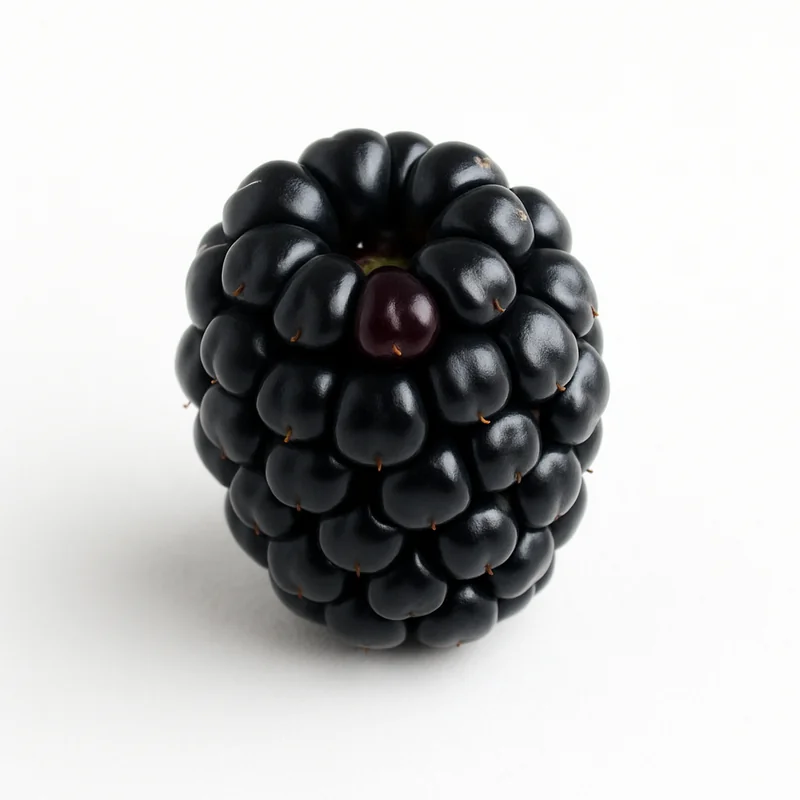
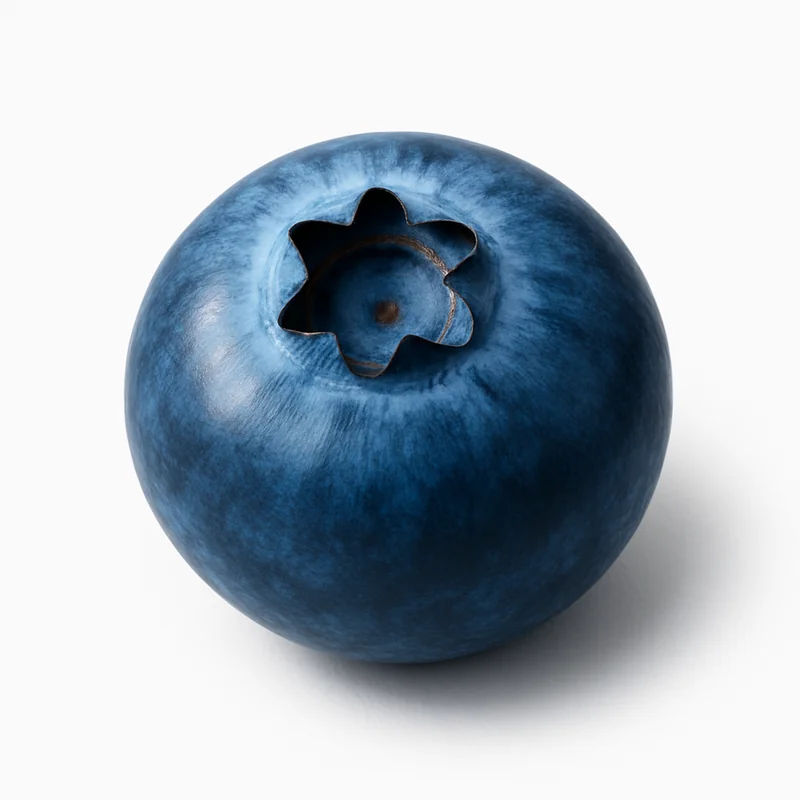
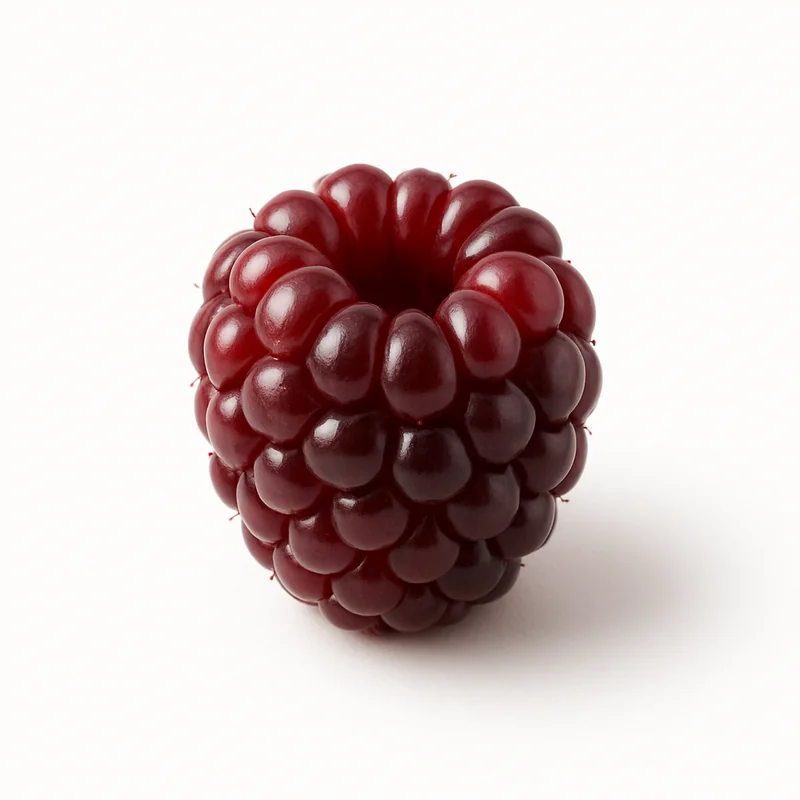
What is Elderberries actually covering?
See which nutrients your diet already delivers and which ones your supplements still need to — food and pills measured on the same scale.
Check my nutrients2 questions · free · no account needed to start
Also on iPhone — get the free app
Evidence-based supplement guides, no spam
We send a short digest when new guides drop — nothing else. No affiliate pushes, no sponsored content, unsubscribe anytime.