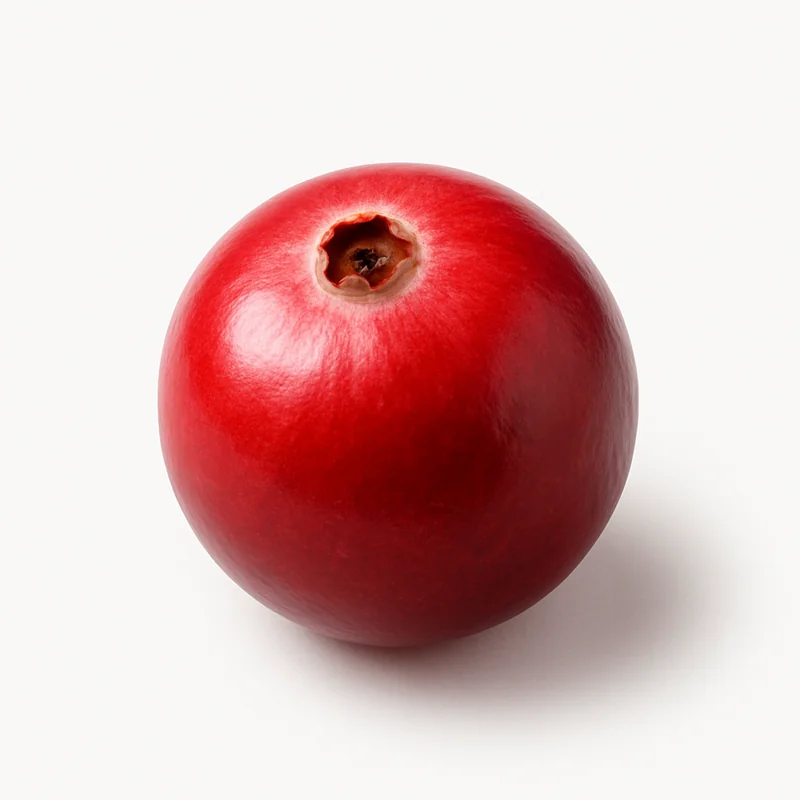
Cranberries
ScoreA+
Cranberries are low-calorie berries rich in polyphenols and vitamin C, particularly valued for their proanthocyanidin content and potential urinary tract health benefits.
Why Cranberries scores 93
% Daily Value per 1 medium (140 g)
Nutrition
per 100 g
Health benefits
Supports urinary tract health and reduces recurrent UTI risk
strong evidenceA-type proanthocyanidins prevent uropathogenic E. coli from adhering to uroepithelial cells, reducing bacterial colonization in the urinary tract
Reduces systemic inflammation and oxidative stress
moderate evidenceHigh polyphenol content, particularly anthocyanins and proanthocyanidins, act as antioxidants that neutralize free radicals and suppress pro-inflammatory signaling pathways
Improves cardiovascular endothelial function
moderate evidencePolyphenols enhance nitric oxide production and availability, improving vascular endothelial function and blood pressure regulation
Supports gut microbiota diversity and short-chain fatty acid production
moderate evidenceFiber and undigested polyphenols serve as prebiotics, feeding beneficial bacteria that produce butyrate and other metabolites supporting gut barrier integrity
May reduce periodontal disease risk through oral antimicrobial activity
emerging evidenceProanthocyanidins inhibit adhesion and biofilm formation of oral pathogens including Porphyromonas gingivalis
Pairs well with
- ·Pair with Greek yogurt because the protein enhances satiety and the probiotics synergize with cranberry's prebiotic fiber for gut health
- ·Pair with walnuts or ground flaxseed because omega-3 fatty acids potentiate the anti-inflammatory effects of cranberry polyphenols
- ·Pair with turmeric because both contain complementary polyphenols that work additively on inflammation and curcumin absorption may be enhanced by quercetin in cranberries
- ·Pair with vitamin K-rich greens (spinach, kale) because fat-soluble vitamin absorption is enhanced when cranberries are consumed with the healthy fats in leafy green preparations
Practical tips
- ·Best timing: Cranberries have no caffeine or stimulants and are gentle on digestion. They can be incorporated into breakfast with yogurt, midday smoothies, or evening snacks without interfering with sleep or energy patterns.
- ·Choose fresh or frozen unsweetened cranberries over dried or juice; dried varieties contain concentrated sugars (up to 50% by weight) that negate glycemic benefits
- ·Store fresh cranberries in the refrigerator for up to 4 weeks or freeze for 8+ months; freezing actually increases polyphenol bioavailability by breaking cell walls
- ·Blend or lightly cook cranberries to increase polyphenol extraction; raw cranberries have cell-bound compounds with lower bioavailability
- ·If using cranberry juice for UTI prevention, select unsweetened varieties and limit to 4 oz daily; sweetened versions add 20-30g sugar per serving
Related foods
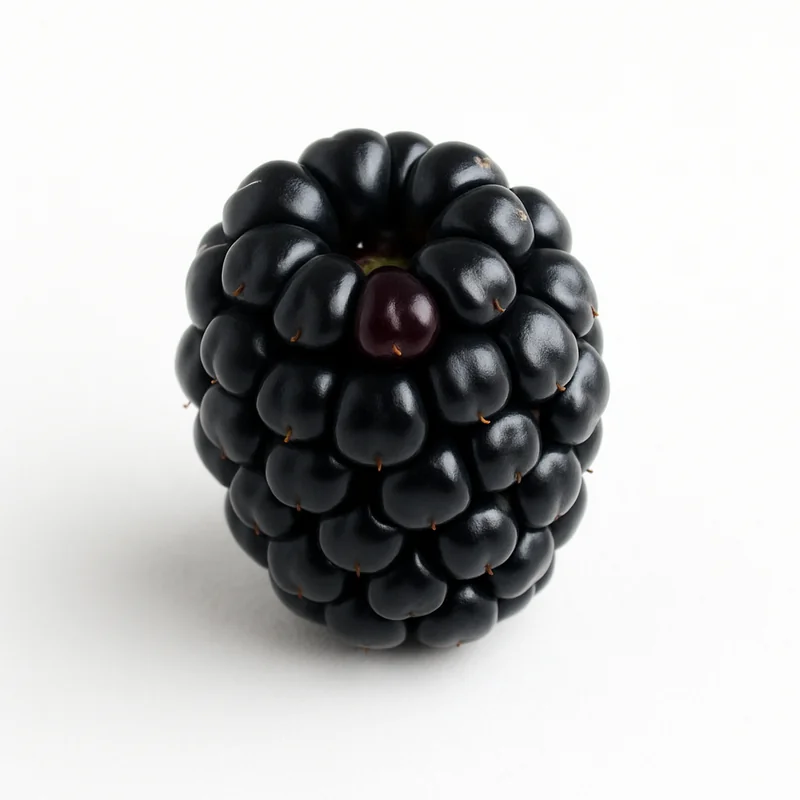
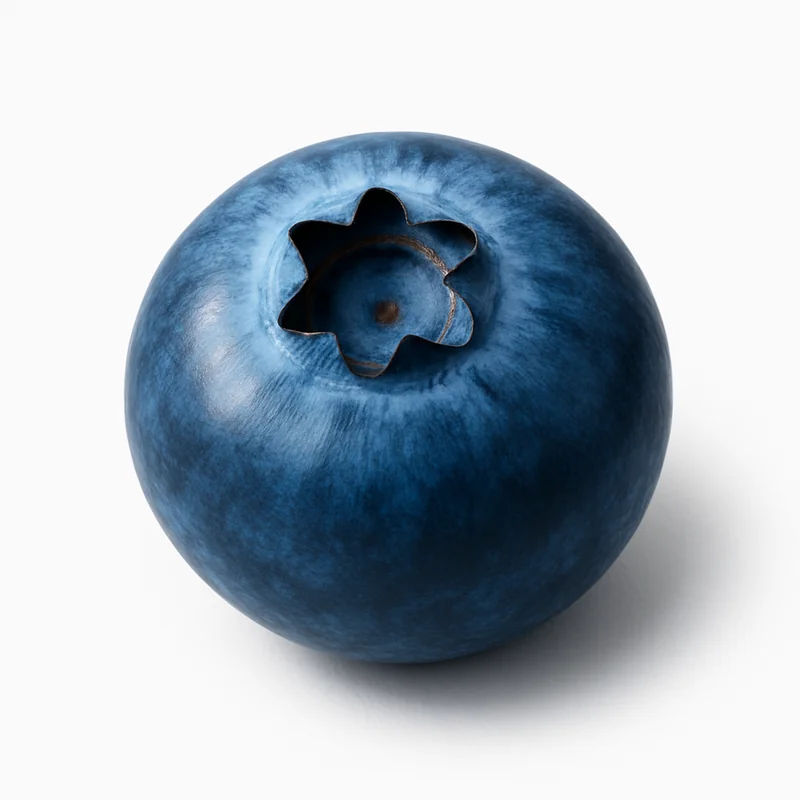
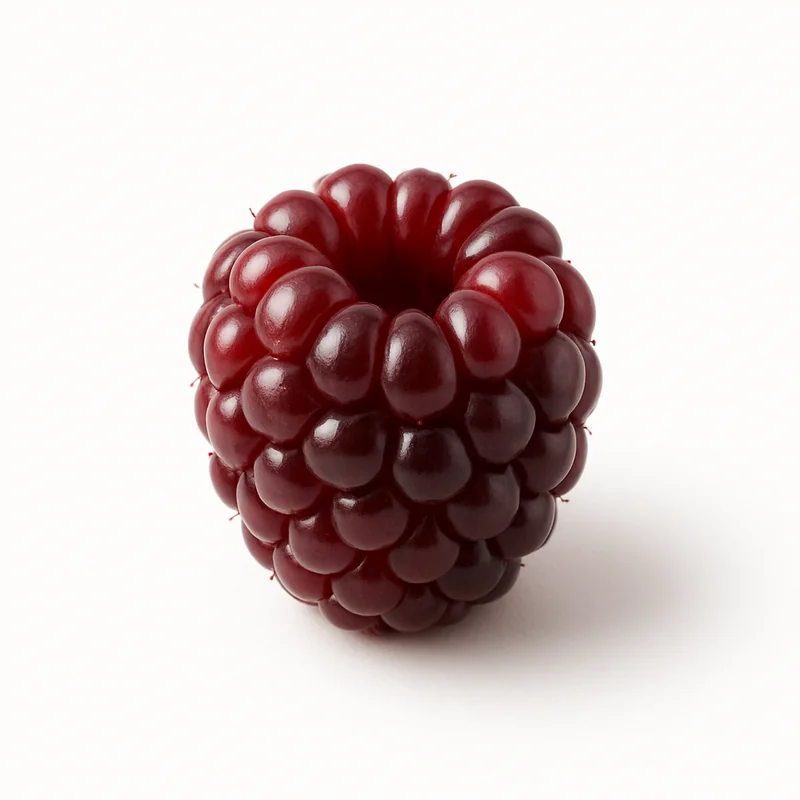
What is Cranberries actually covering?
See which nutrients your diet already delivers and which ones your supplements still need to — food and pills measured on the same scale.
Check my nutrients2 questions · free · no account needed to start
Also on iPhone — get the free app
Evidence-based supplement guides, no spam
We send a short digest when new guides drop — nothing else. No affiliate pushes, no sponsored content, unsubscribe anytime.