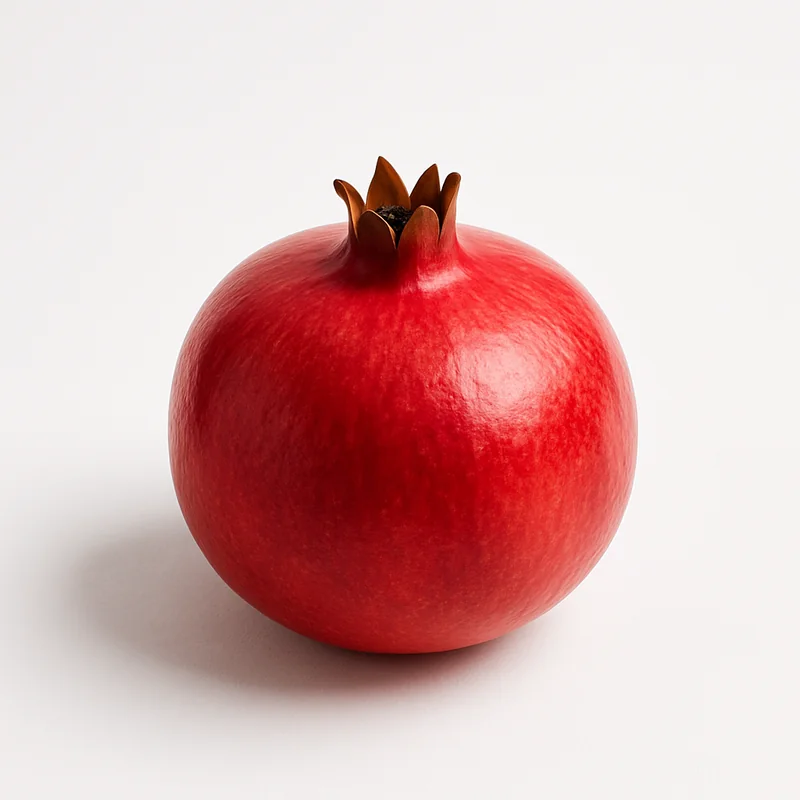
Pomegranate
ScoreA+
Pomegranate is a nutrient-dense fruit rich in polyphenolic antioxidants, particularly punicalagins and ellagic acid, with a favorable fiber-to-calorie ratio that supports metabolic health and longevity.
Why Pomegranate scores 90
% Daily Value per 1 medium (140 g)
Nutrition
per 100 g
Health benefits
Improved arterial flexibility and reduced blood pressure
moderate evidencePunicalagins and polyphenols enhance endothelial nitric oxide production, improving vasodilation and reducing arterial stiffness, a key aging biomarker
Enhanced antioxidant defense and reduced oxidative stress
strong evidenceHigh polyphenol concentration (punicalagins, ellagic acid, anthocyanins) provides sustained antioxidant activity, neutralizing reactive oxygen species
Cardiovascular inflammation reduction and improved lipid profiles
moderate evidencePomegranate polyphenols suppress pro-inflammatory cytokine production and may reduce oxidized LDL formation, key factors in atherosclerosis prevention
Cognitive function support and neuroprotection
emerging evidenceEllagic acid crosses the blood-brain barrier and reduces neuroinflammation; polyphenols support mitochondrial function in neurons
Improved insulin sensitivity and metabolic health
moderate evidencePolyphenols enhance glucose uptake in muscle tissue and reduce hepatic glucose production through AMPK pathway activation
Pairs well with
- ·Pair with olive oil in dressings because polyphenols are fat-soluble and absorption is enhanced by dietary lipids
- ·Combine with black tea or green tea because catechins work synergistically with pomegranate polyphenols for enhanced antioxidant activity
- ·Mix with Greek yogurt or fermented kefir because probiotics may enhance polyphenol metabolism and reduce oxidation of bioactive compounds in the gut
- ·Pair with fatty fish (salmon, sardines) because omega-3s and pomegranate polyphenols work together to reduce arterial inflammation and improve endothelial function
Practical tips
- ·Best timing: Pomegranate's polyphenols and fiber provide sustained benefits without time-dependent mechanisms; consumption with meals enhances polyphenol absorption via dietary fat
- ·Consume pomegranate arils (seeds) whole rather than juice alone to maximize fiber intake and maintain stable blood sugar; juice lacks the fiber that moderates sugar absorption
- ·Store whole pomegranates at room temperature for up to 2 weeks or refrigerated for up to 3 months; arils can be frozen for 3+ months without significant polyphenol loss
- ·Extract arils efficiently by scoring the skin, submerging in water, and gently separating arils—water prevents oxidation and makes separation easier
- ·Select pomegranates that feel heavy for their size with deep color; lighter fruits indicate lower juice and polyphenol content
- ·Aim for 150-250g of pomegranate arils (roughly half a medium fruit) 4-5 times weekly for consistent cardiovascular and metabolic benefits documented in research
Related foods






What is Pomegranate actually covering?
See which nutrients your diet already delivers and which ones your supplements still need to — food and pills measured on the same scale.
Check my nutrients2 questions · free · no account needed to start
Also on iPhone — get the free app
Evidence-based supplement guides, no spam
We send a short digest when new guides drop — nothing else. No affiliate pushes, no sponsored content, unsubscribe anytime.