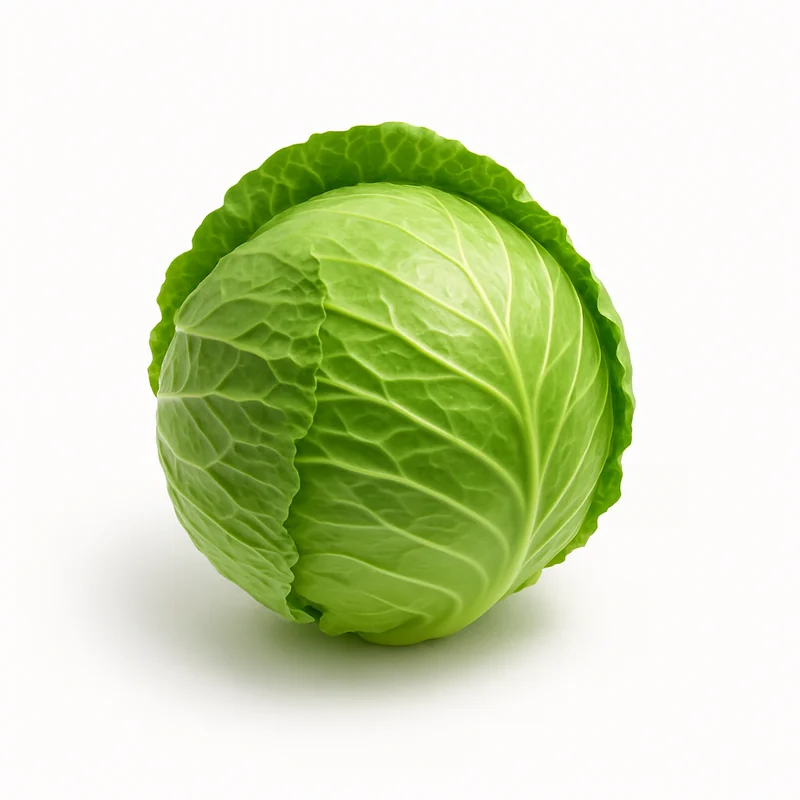
Cabbage
ScoreA+
Cabbage is a cruciferous vegetable rich in vitamin K, vitamin C, and bioactive sulfur compounds that support bone health and antioxidant defense. Its low calorie density and high fiber content make it an excellent staple for longevity-focused diets.
Why Cabbage scores 95
% Daily Value per ½ cup (85 g)
Nutrition
per 100 g
Health benefits
Supports bone mineralization and cardiovascular health
strong evidenceHigh vitamin K content (59.4 mcg/100g) activates osteocalcin and matrix Gla protein, essential for bone matrix formation and arterial calcium regulation, reducing fracture risk and arterial calcification
Reduces chronic inflammation and supports detoxification
moderate evidenceGlucosinolates in cabbage convert to isothiocyanates and indoles during digestion, which activate Phase II detoxification enzymes and suppress NF-κB inflammatory signaling pathways
Enhances antioxidant defense and supports immune function
strong evidenceVitamin C and polyphenolic compounds (especially in red cabbage anthocyanins) neutralize reactive oxygen species and support natural killer cell activity
Promotes healthy gut microbiota composition
moderate evidencePrebiotic fiber and compounds from fermented cabbage selectively feed beneficial Lactobacillus and Bifidobacterium species, strengthening the intestinal barrier and reducing systemic inflammation
May support cognitive resilience and neuroprotection
emerging evidenceAnthocyanins and other polyphenols cross the blood-brain barrier and reduce neuroinflammation through microglial modulation, potentially slowing cognitive decline
Pairs well with
- ·Pair with olive oil because fat-soluble vitamin K and polyphenols require dietary lipids for optimal absorption through enterocytes
- ·Combine with fermented foods (kimchi, sauerkraut, miso) because probiotics enhance bioavailability of glucosinolates and create synergistic anti-inflammatory effects
- ·Eat with vitamin C-rich foods (lemon juice, bell peppers) when consuming raw cabbage because it enhances iron absorption, maximizing the mineral's bioavailability
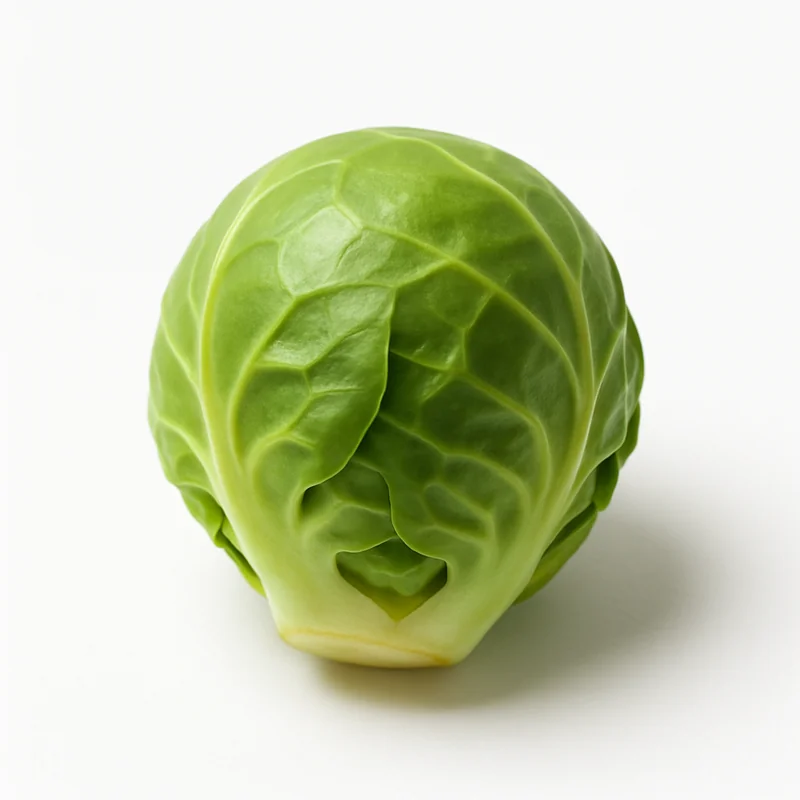
- ·Pair with cruciferous vegetables (broccoli, Brussels sprouts) because isothiocyanate compounds work synergistically to activate detoxification pathways more effectively than single sources
Practical tips
- ·Best timing: Cabbage contains no stimulating compounds and poses no digestive burden for most individuals. It can be consumed at any meal or as part of regular dietary intake. Some prefer inclusion in midday or evening meals to distribute vitamin K intake throughout the day for consistent bone health support.
- ·Consume raw or lightly steamed (2-3 minutes) to preserve glucosinolates and heat-sensitive vitamin C; prolonged cooking degrades these bioactive compounds
- ·Ferment cabbage at room temperature for 7-14 days to increase probiotic content and enhance nutrient bioavailability, supporting gut health more effectively than raw preparations
- ·Store whole cabbage in the crisper drawer at 0-4°C for up to 2 months; keep cut surfaces exposed to air briefly before sealing to minimize oxidative nutrient loss
- ·Choose red cabbage varieties when possible, as anthocyanin content is 3-5 times higher than green cabbage, providing enhanced antioxidant capacity
- ·Pair with healthy fats (olive oil, avocado, nuts) at the same meal to maximize absorption of fat-soluble vitamin K needed for bone and vascular health
Related foods
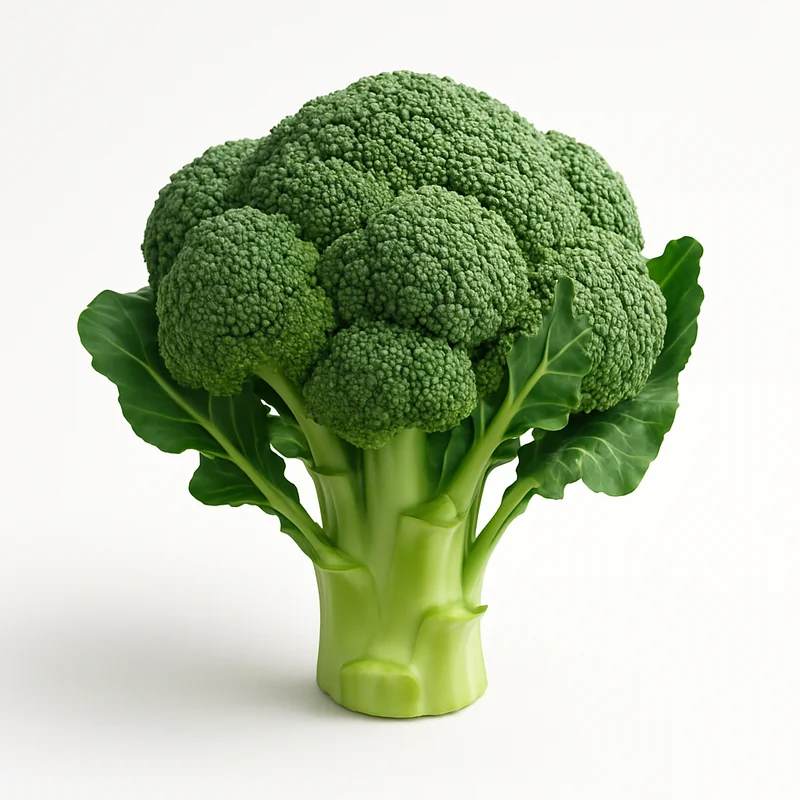
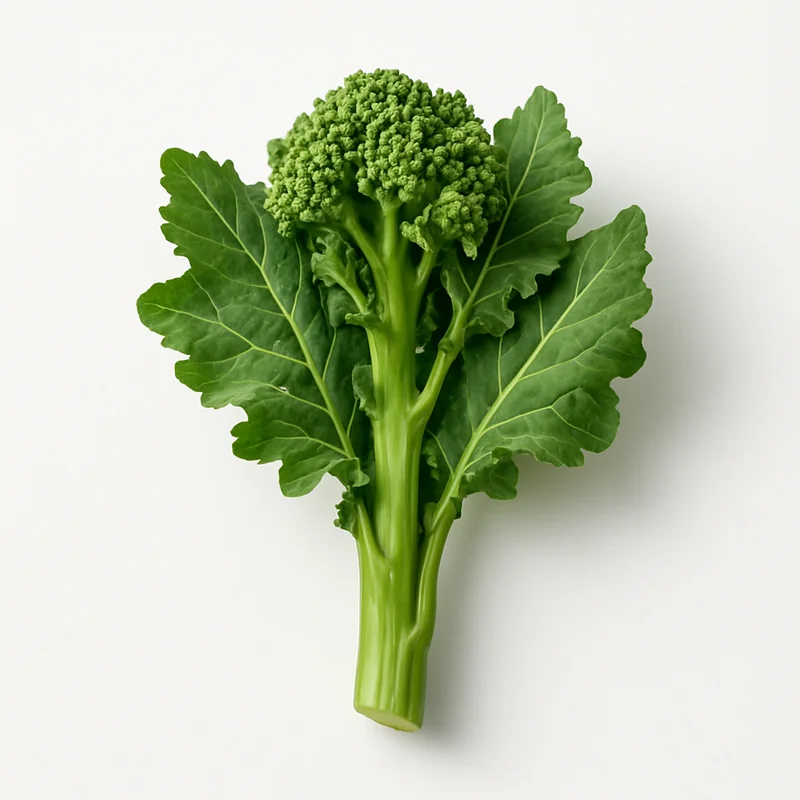
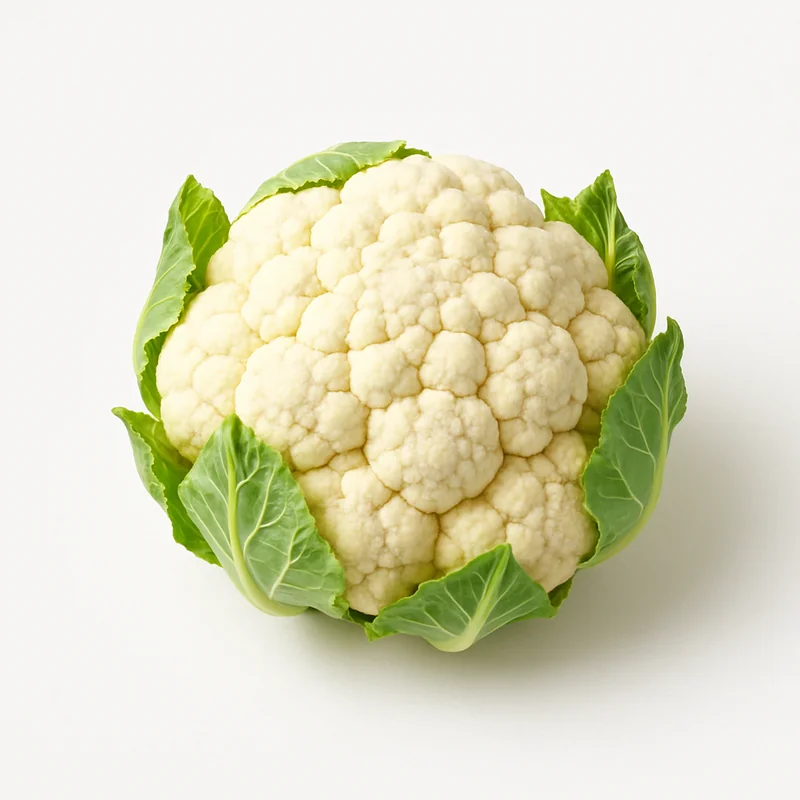
What is Cabbage actually covering?
See which nutrients your diet already delivers and which ones your supplements still need to — food and pills measured on the same scale.
Check my nutrients2 questions · free · no account needed to start
Also on iPhone — get the free app
Evidence-based supplement guides, no spam
We send a short digest when new guides drop — nothing else. No affiliate pushes, no sponsored content, unsubscribe anytime.