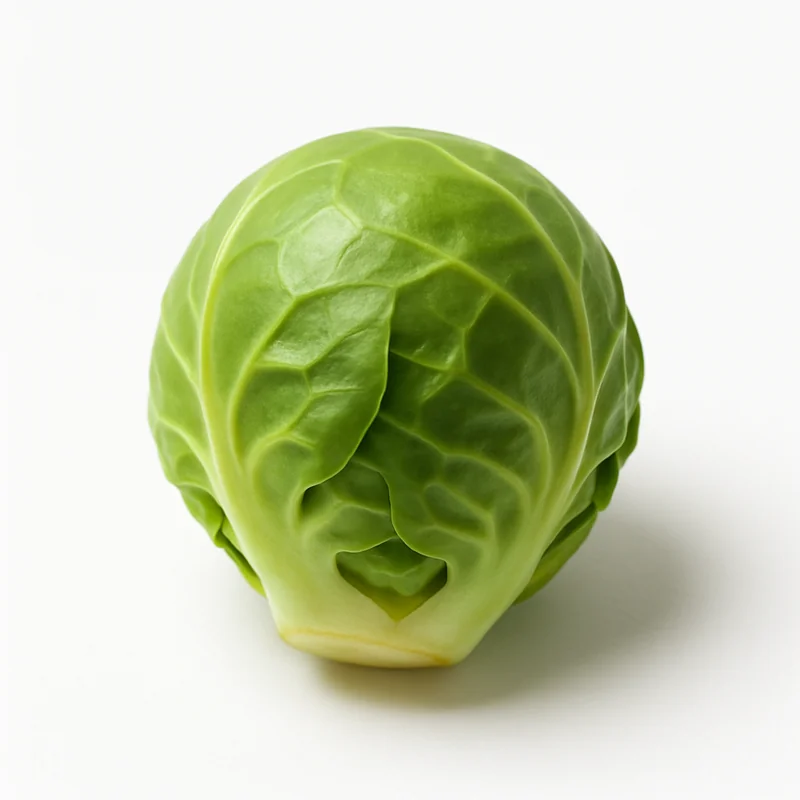
Brussels Sprouts
ScoreA+
Brussels sprouts are cruciferous vegetables rich in vitamin K, vitamin C, and sulfur-containing compounds called glucosinolates that support detoxification and cellular health.
Why Brussels Sprouts scores 98
% Daily Value per ½ cup (85 g)
Nutrition
per 100 g
Health benefits
Enhanced liver detoxification and reduced carcinogenic metabolite burden
strong evidenceGlucosinolates convert to sulforaphane and indole-3-carbinol, which activate cytochrome P450 and phase II detoxification enzymes (glutathione S-transferases, UDP-glucuronosyltransferases), improving xenobiotic elimination
Improved bone health and vascular calcification prevention
strong evidenceHigh vitamin K content activates osteocalcin and matrix Gla-protein, proteins critical for bone mineralization and preventing arterial calcification
Reduced systemic inflammation and oxidative stress
moderate evidenceKaempferol and other flavonoids inhibit NF-κB signaling and pro-inflammatory cytokine production, while vitamin C supports antioxidant defenses
Optimized gut microbiota composition and metabolic endotoxemia reduction
moderate evidenceInsoluble and soluble fiber promotes growth of SCFA-producing bacteria (Faecalibacterium prausnitzii, Roseburia spp.), reducing lipopolysaccharide translocation and systemic inflammation
Support for homocysteine metabolism and cardiovascular health
moderate evidenceFolate (60 mcg/100g) acts as a methyl donor in homocysteine remethylation, reducing cardiovascular disease risk associated with elevated homocysteine
Pairs well with
- ·Pair with olive oil or other fat sources because fat-soluble vitamins (K, A) require dietary lipids for optimal absorption in the small intestine
- ·Combine with garlic or onions because these contain alliins that convert to allicin, enhancing glucosinolate bioavailability and overall anti-inflammatory synergy
- ·Serve alongside fermented foods (sauerkraut, kimchi) because beneficial bacteria enhance glucosinolate metabolite production and fiber fermentation in the colon
- ·Combine with citrus fruits (lemon, orange) because vitamin C enhances non-heme iron absorption and stabilizes heat-sensitive glucosinolates during preparation
Practical tips
- ·Best timing: Brussels sprouts have no time-dependent bioavailability considerations; their fiber, vitamins, and phytonutrients are equally effective throughout the day. Including them at lunch or dinner promotes satiety and stable blood glucose due to high fiber content.
- ·Lightly steam or sauté rather than boil to preserve heat-sensitive glucosinolates; aim for 5-7 minutes until fork-tender to activate myrosinase enzyme while retaining bioactive compounds
- ·Chew thoroughly or dice finely before cooking to maximize myrosinase activity and glucosinolate conversion to bioactive metabolites
- ·Store unwashed in a breathable container in the crisper drawer for up to 2 weeks; wash only before consumption to reduce microbial load and extend shelf life
- ·Consume 1-2 cups (100-200g) 3-4 times weekly as part of a varied cruciferous vegetable rotation to optimize detoxification support without excessive goitrogen exposure
- ·If taking blood thinners (warfarin), maintain consistent vitamin K intake rather than eliminating; sudden changes in consumption create INR instability
Related foods
What is Brussels Sprouts actually covering?
See which nutrients your diet already delivers and which ones your supplements still need to — food and pills measured on the same scale.
Check my nutrients2 questions · free · no account needed to start
Also on iPhone — get the free app
Evidence-based supplement guides, no spam
We send a short digest when new guides drop — nothing else. No affiliate pushes, no sponsored content, unsubscribe anytime.