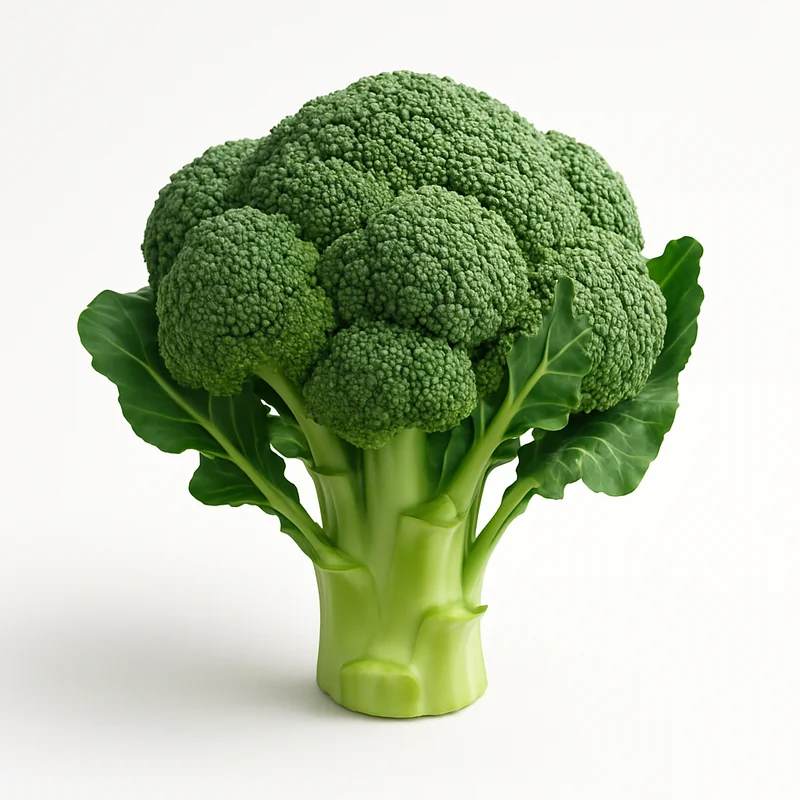
Broccoli
ScoreA+
Broccoli is a cruciferous vegetable rich in vitamin C, vitamin K, and sulforaphane, a potent bioactive compound with anti-inflammatory and detoxification properties. Its dense nutrient profile and low calorie content make it a longevity staple.
Why Broccoli scores 96
% Daily Value per ½ cup (85 g)
Nutrition
per 100 g
Health benefits
Reduced oxidative stress and enhanced cellular detoxification
strong evidenceSulforaphane activates NRF2 transcription factor, upregulating antioxidant response elements and Phase II detoxification enzymes (glutathione-S-transferases, NAD(P)H quinone oxidoreductase) that neutralize free radicals and eliminate xenobiotics
Improved bone density and vascular calcification prevention
strong evidenceVitamin K (101.6 mcg/100g) serves as a cofactor for osteocalcin and matrix Gla protein (MGP), directing calcium to bone matrix and away from arterial walls, reducing fracture risk and arterial stiffness
Anti-inflammatory and immunomodulatory effects
moderate evidenceSulforaphane inhibits NF-κB signaling pathways and reduces pro-inflammatory cytokine production (TNF-α, IL-6), while vitamin C supports immune cell proliferation and pathogen clearance
Cardiovascular risk reduction and blood pressure regulation
moderate evidenceHigh potassium (316 mg/100g) supports sodium-potassium ATPase function for vascular relaxation; sulforaphane may improve endothelial function and reduce atherosclerotic plaque formation via anti-inflammatory mechanisms
Cancer risk reduction, particularly for colorectal and breast cancers
moderate evidenceIsothiocyanates from glucosinolates induce phase II detoxification enzymes, promote apoptosis in pre-malignant cells, and inhibit angiogenesis; fiber supports favorable gut microbiota composition and short-chain fatty acid production
Pairs well with
- ·Pair with olive oil or avocado because fat-soluble vitamins K and carotenoids require dietary lipids for absorption and bioavailability
- ·Combine with garlic or onions because their allicin and quercetin compounds synergize with broccoli's sulforaphane to enhance anti-inflammatory and detoxification pathways
- ·Eat with citrus (lemon, orange) because vitamin C stabilizes and enhances the bioavailability of sulforaphane and increases non-heme iron absorption from broccoli
- ·Pair with fermented foods (kimchi, sauerkraut, miso) because beneficial bacteria support the metabolism and utilization of glucosinolates into bioactive isothiocyanates
Practical tips
- ·Best timing: Broccoli contains no bioactive compounds timing-dependent for absorption or efficacy. Its fiber may slightly delay gastric emptying, making it suitable with any meal. Consuming at lunch or dinner with fat-containing foods (olive oil, fish, nuts) optimizes fat-soluble vitamin K absorption. No specific pre/post-workout advantage.
- ·Lightly steam or sauté broccoli for 3-5 minutes rather than boiling to preserve heat-sensitive vitamin C and myrosinase enzyme activity needed for sulforaphane formation
- ·Chew thoroughly or finely chop raw broccoli before cooking to maximize myrosinase enzyme activity, which converts glucosinolates to sulforaphane; alternatively, include raw florets in salads
- ·Store broccoli in a sealed container in the refrigerator crisper drawer for up to 7 days; consume within 3-4 days for optimal sulforaphane content, as it degrades over time
- ·Select broccoli with tight, deep green florets and firm stems; avoid yellowing or flowering crowns, which indicate reduced nutrient density and sulforaphane potential
- ·Consider consuming broccoli 3-4 times weekly as part of a varied cruciferous vegetable rotation (alternating with cabbage, cauliflower, Brussels sprouts) to optimize benefits while managing goitrogen exposure in iodine-limited populations
Related foods
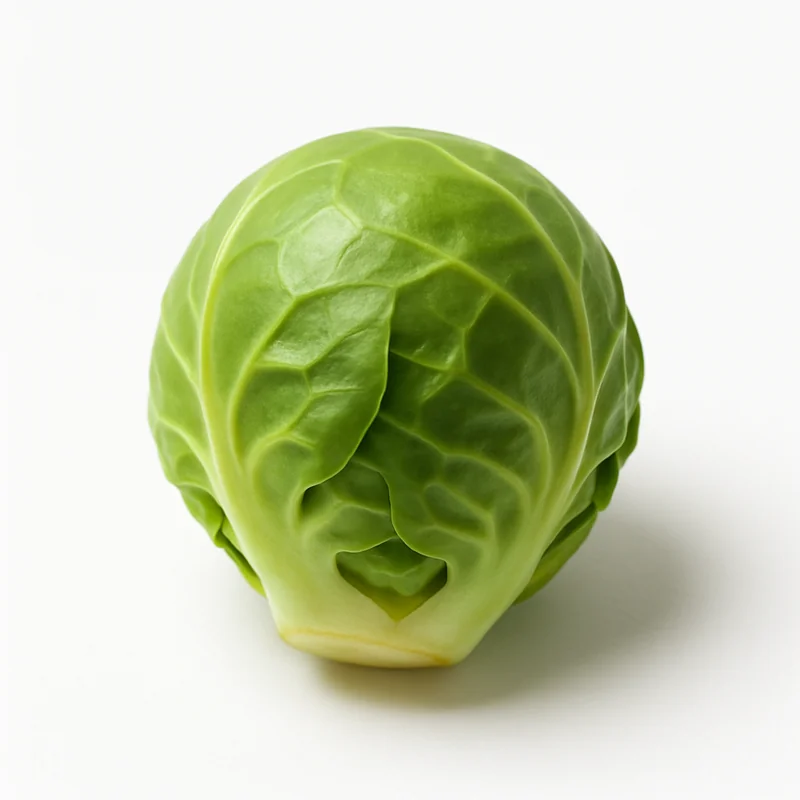
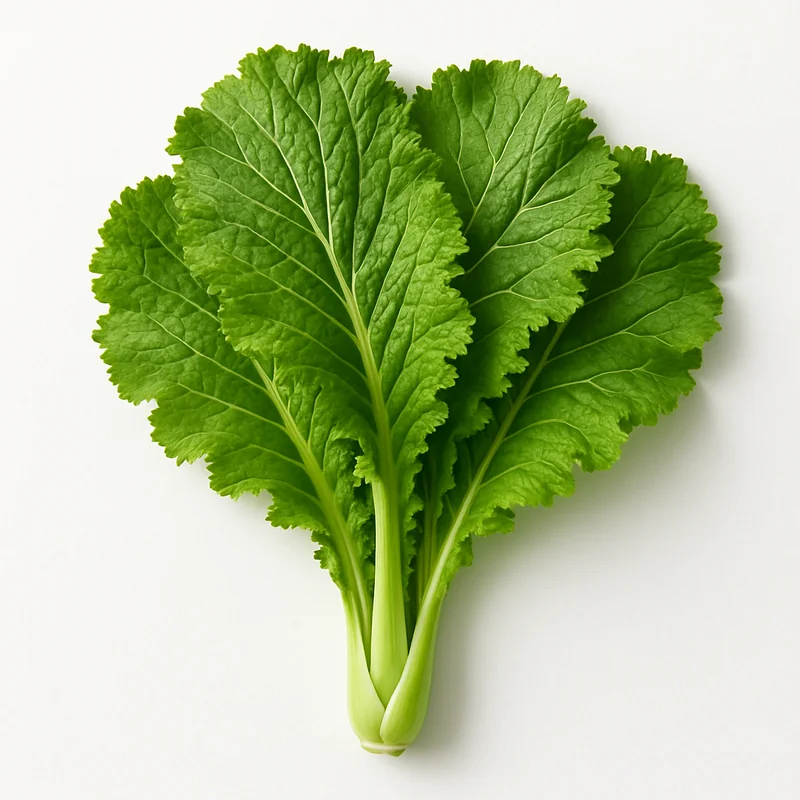
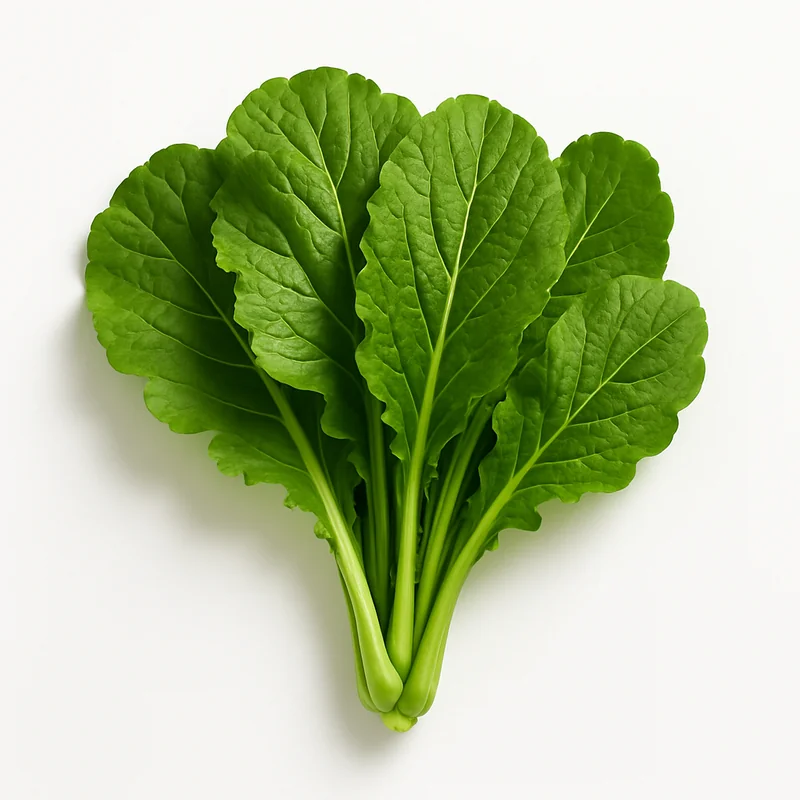
What is Broccoli actually covering?
See which nutrients your diet already delivers and which ones your supplements still need to — food and pills measured on the same scale.
Check my nutrients2 questions · free · no account needed to start
Also on iPhone — get the free app
Evidence-based supplement guides, no spam
We send a short digest when new guides drop — nothing else. No affiliate pushes, no sponsored content, unsubscribe anytime.