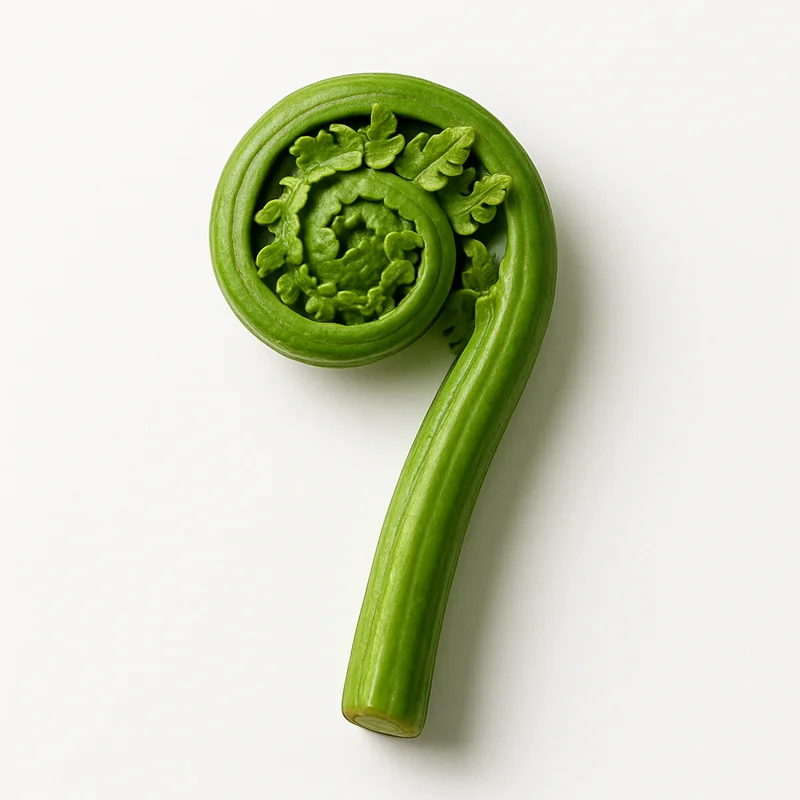
Fiddlehead Fern
ScoreA
Fiddlehead ferns are the unfurled fronds of young ferns, offering a delicate flavor with impressive micronutrient density and particularly high potassium and niacin content for a low-calorie vegetable.
Why Fiddlehead Fern scores 83
% Daily Value per ½ cup (85 g)
Nutrition
per 100 g
Health benefits
Cardiovascular health and blood pressure regulation
strong evidenceHigh potassium content (370mg per 100g) promotes vasodilation and counterbalances sodium, reducing hypertension risk and supporting healthy vascular function
Cellular energy metabolism and DNA repair
strong evidenceNiacin (vitamin B3) at 4.98mg per 100g functions as a coenzyme in NAD+-dependent pathways critical for energy production and genomic stability
Muscle preservation and protein synthesis
moderate evidenceProtein content (4.55g per 100g) provides essential amino acids needed for myoprotein synthesis, supporting age-related muscle maintenance when combined with resistance activity
Antioxidant defense and immune support
moderate evidenceVitamin C (26.6mg) and vitamin A (181 IU) enhance glutathione synthesis and support natural killer cell function, reducing oxidative stress and infection risk
Anti-inflammatory response
emerging evidenceFiddleheads contain polyphenolic compounds with preliminary evidence for NF-κB pathway modulation, though human data in ferns specifically remain limited
Pairs well with
- ·Pair with fatty fish (salmon, mackerel) because fat-soluble vitamin A absorption is enhanced by dietary lipids, and omega-3s synergize with polyphenols for anti-inflammatory effects
- ·Combine with citrus (lemon, orange) because vitamin C increases non-heme iron bioavailability, optimizing the fiddlehead's 1.31mg iron content for absorption
- ·Serve with garlic or onions because sulfur compounds enhance detoxification enzyme expression and may amplify polyphenolic bioactivity through synergistic phytochemical interactions
- ·Pair with legumes (lentils, chickpeas) because complementary amino acid profiles create complete proteins, addressing plant-based protein complementarity for muscle maintenance
Practical tips
- ·Best timing: midday
- ·Select tightly coiled fiddleheads with no unfurled fronds; they should feel firm and snap cleanly when bent, indicating freshness and peak nutrient density
- ·Blanch fiddleheads in boiling water for 10-15 minutes before consuming raw or cooking further to eliminate potentially irritating tannins and optimize nutrient availability
- ·Store unwashed fiddleheads in perforated plastic bags in the refrigerator for up to 4-5 days; moisture promotes fungal growth, so ensure good air circulation
- ·Source from reputable foragers or farmers markets specializing in seasonal vegetables; wild-foraged fiddleheads require proper species identification to avoid toxic lookalikes
- ·Consume during spring season when fresh; dried or preserved fiddleheads lose significant vitamin C and niacin content, reducing longevity-relevant nutrient density
Related foods
What is Fiddlehead Fern actually covering?
See which nutrients your diet already delivers and which ones your supplements still need to — food and pills measured on the same scale.
Check my nutrients2 questions · free · no account needed to start
Also on iPhone — get the free app
Evidence-based supplement guides, no spam
We send a short digest when new guides drop — nothing else. No affiliate pushes, no sponsored content, unsubscribe anytime.