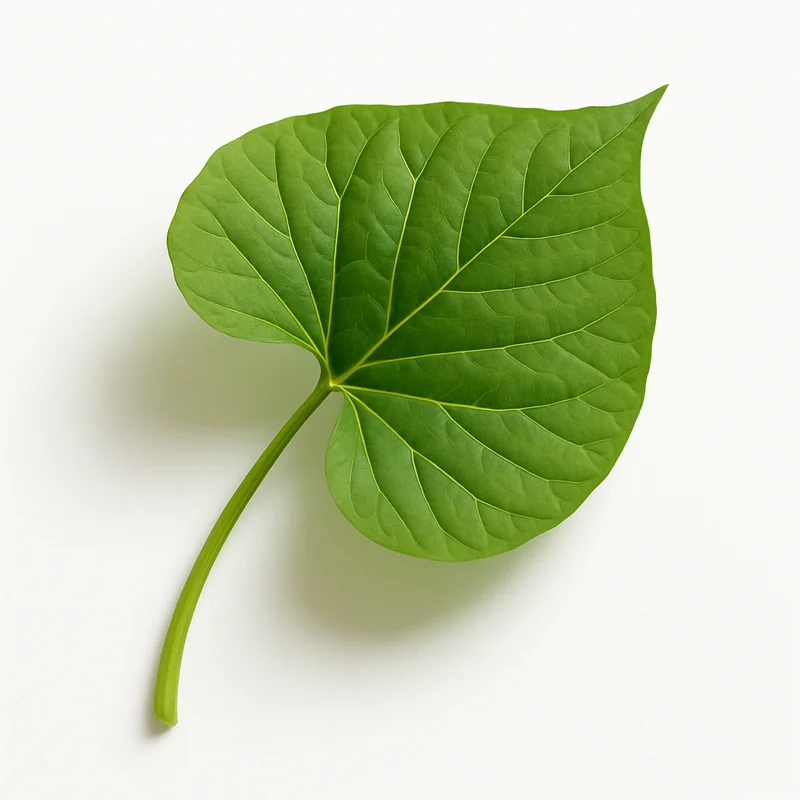
Sweet Potato Leave
ScoreA+
Sweet potato leaves are nutrient-dense leafy greens with exceptional vitamin K content, potassium, and fiber, making them a low-calorie powerhouse for cardiovascular and bone health.
Why Sweet Potato Leave scores 95
% Daily Value per ½ cup (85 g)
Nutrition
per 100 g
Health benefits
Supports bone health and reduces cardiovascular calcification risk
strong evidenceVitamin K is essential for carboxylation of osteocalcin (bone protein) and matrix Gla protein (vascular protector), preventing pathological calcification while promoting bone mineralization
Maintains healthy blood pressure and cardiovascular function
strong evidenceHigh potassium content activates sodium-potassium ATPase, improving vasodilation and reducing vascular stiffness; supports parasympathetic tone
Promotes healthy gut microbiota and metabolic health
moderate evidenceHigh insoluble and soluble fiber serves as prebiotic substrate for beneficial bacteria, improving short-chain fatty acid production and intestinal barrier integrity
Provides antioxidant and anti-inflammatory protection
moderate evidenceContains chlorogenic acid, caffeic acid, and carotenoid compounds that scavenge reactive oxygen species and inhibit NF-κB inflammatory signaling
Supports eye health and cognitive function
moderate evidenceContains lutein and other carotenoids that accumulate in retina and brain tissues, protecting against age-related macular degeneration and supporting neuroprotection
Pairs well with
- ·Pair with olive oil (drizzle for sautéing) because fat-soluble vitamins K and carotenoids require dietary lipids for optimal absorption
- ·Combine with citrus juice (lemon or lime dressing) because vitamin C enhances non-heme iron bioavailability from the leaves
- ·Mix with fermented foods (miso, tempeh, sauerkraut) because probiotics and fiber synergize to enhance gut barrier function and SCFA production
- ·Pair with allium vegetables (garlic, onions) because sulfur compounds and polyphenols provide complementary anti-inflammatory and anticarcinogenic effects
- ·Combine with vitamin D-rich foods (fatty fish, egg yolks) because vitamin D enhances vitamin K-dependent calcium metabolism for bone and vascular health
Practical tips
- ·Best timing: midday
- ·Select young, tender leaves (darker green, no yellowing) and use within 3-5 days of purchase; store unwashed in refrigerator crisper drawer in breathable bag to maintain crispness
- ·Blanch leaves briefly (2-3 minutes) before eating raw or cooking to reduce oxalates and enhance bioavailability of minerals, especially important if consuming large quantities regularly
- ·Sauté whole leaves in olive oil with garlic for 3-4 minutes until wilted to preserve heat-sensitive vitamin C while maintaining vitamin K stability; avoid overcooking
- ·If concerned about oxalate content (relevant for kidney stone-prone individuals), boil leaves in water for 5 minutes and discard water before using in recipes
- ·Add to soups, stir-fries, or blend into green smoothies during final minute of cooking to maximize nutritional retention
Related foods
What is Sweet Potato Leave actually covering?
See which nutrients your diet already delivers and which ones your supplements still need to — food and pills measured on the same scale.
Check my nutrients2 questions · free · no account needed to start
Also on iPhone — get the free app
Evidence-based supplement guides, no spam
We send a short digest when new guides drop — nothing else. No affiliate pushes, no sponsored content, unsubscribe anytime.