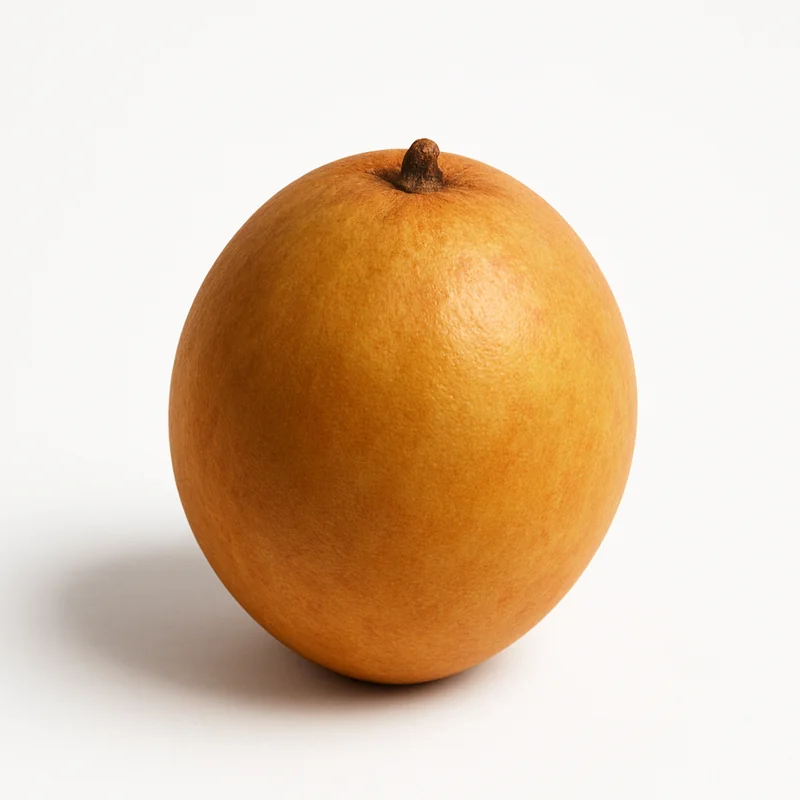
Sapodilla
ScoreB
Sapodilla is a tropical fruit with a custard-like texture, providing significant dietary fiber and natural sugars along with moderate potassium and vitamin C.
Why Sapodilla scores 71
% Daily Value per 1 medium (140 g)
Nutrition
per 100 g
Health benefits
Enhanced digestive health and gut microbiota support
moderate evidenceHigh insoluble fiber (5.3g/100g) acts as a prebiotic, feeding beneficial bacteria and promoting regular bowel movements while supporting short-chain fatty acid production linked to metabolic health
Cardiovascular support through potassium content
strong evidencePotassium (193mg/100g) helps regulate blood pressure by counteracting sodium's effects and supporting healthy vascular endothelial function
Oxidative stress reduction via polyphenol antioxidants
emerging evidenceTannins and flavonoids in sapodilla scavenge free radicals and activate endogenous antioxidant pathways, reducing cellular aging markers
Stable blood glucose management despite natural sugar content
moderate evidenceHigh fiber content slows gastric emptying and carbohydrate absorption, resulting in a moderate glycemic response despite 20g carbohydrates per 100g
Immune function support through vitamin C and micronutrient density
moderate evidenceVitamin C (14.7mg) and trace minerals like iron (0.8mg) and selenium (0.6mcg) support immunoglobulin synthesis and antioxidant enzyme function
Pairs well with
- ·Pair with nuts (almonds, walnuts) because their fat and polyphenols enhance antioxidant bioavailability and create sustained satiety
- ·Combine with leafy greens (spinach, kale) because sapodilla's vitamin C increases iron absorption from plant-based sources
- ·Pair with fermented foods (yogurt, kefir) because complementary fiber and probiotics synergistically support gut dysbiosis correction and SCFA production
- ·Combine with cinnamon because cinnamon's polyphenols and insulin-sensitizing compounds enhance sapodilla's glycemic stability profile
Practical tips
- ·Best timing: midday
- ·Select sapodillas that yield slightly to gentle pressure at the stem end; unripe fruit tastes gritty due to latex compounds (sapotoxins) that soften during ripening
- ·Store unripe sapodillas at room temperature in a paper bag for 3-7 days until soft; ripe fruit keeps 2-3 days refrigerated in an airtight container
- ·Consume the entire fruit including skin if organically grown, as fiber concentration is highest in the peel; remove only the seeds before eating
- ·Limit portions to 100-150g (1 medium fruit) per serving due to natural sugar content; pair with protein or fat to moderate glycemic response
- ·Rinse thoroughly before consumption as sapodilla trees often grow near roads and accumulate dust; latex sap on unripe fruit can irritate skin, so wear gloves when handling
Related foods
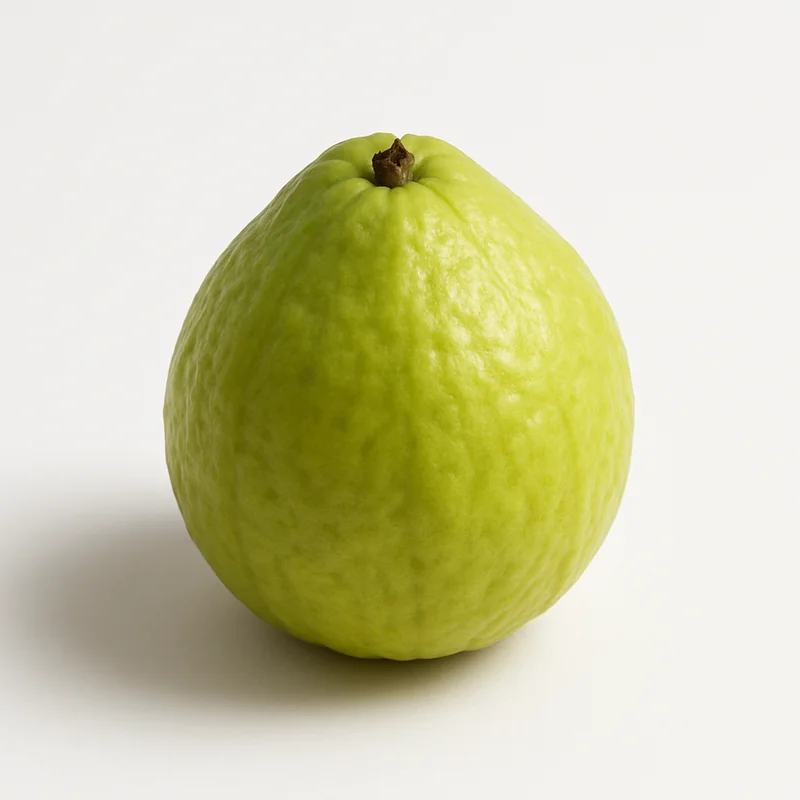
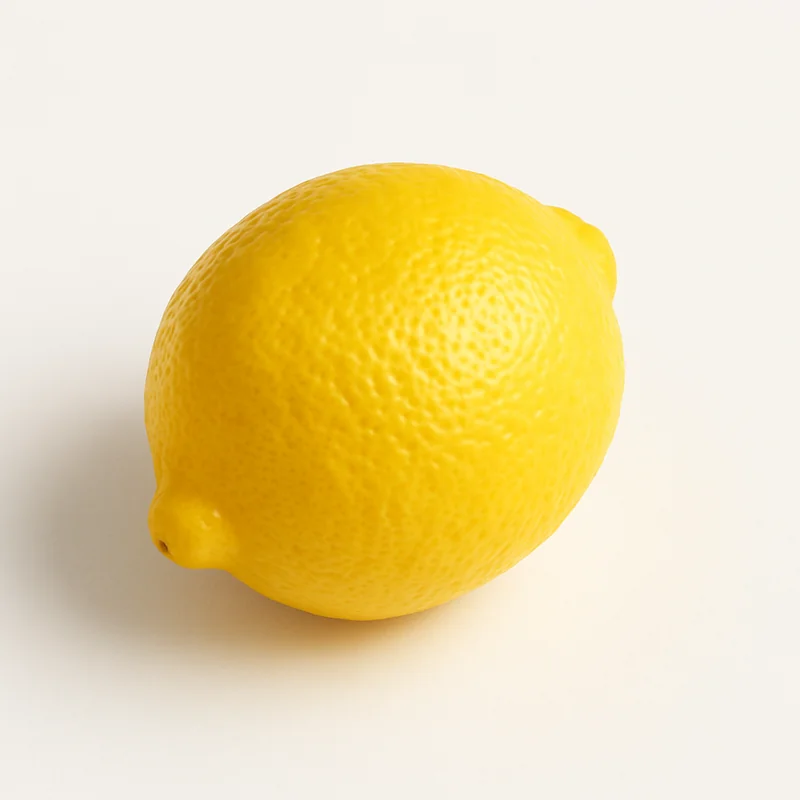
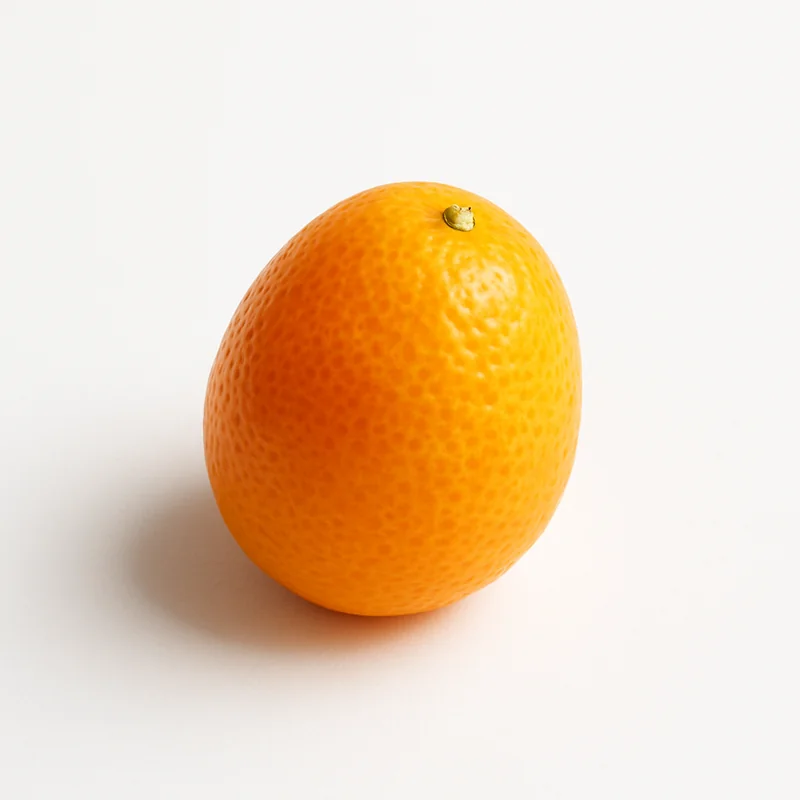
What is Sapodilla actually covering?
See which nutrients your diet already delivers and which ones your supplements still need to — food and pills measured on the same scale.
Check my nutrients2 questions · free · no account needed to start
Also on iPhone — get the free app
Evidence-based supplement guides, no spam
We send a short digest when new guides drop — nothing else. No affiliate pushes, no sponsored content, unsubscribe anytime.