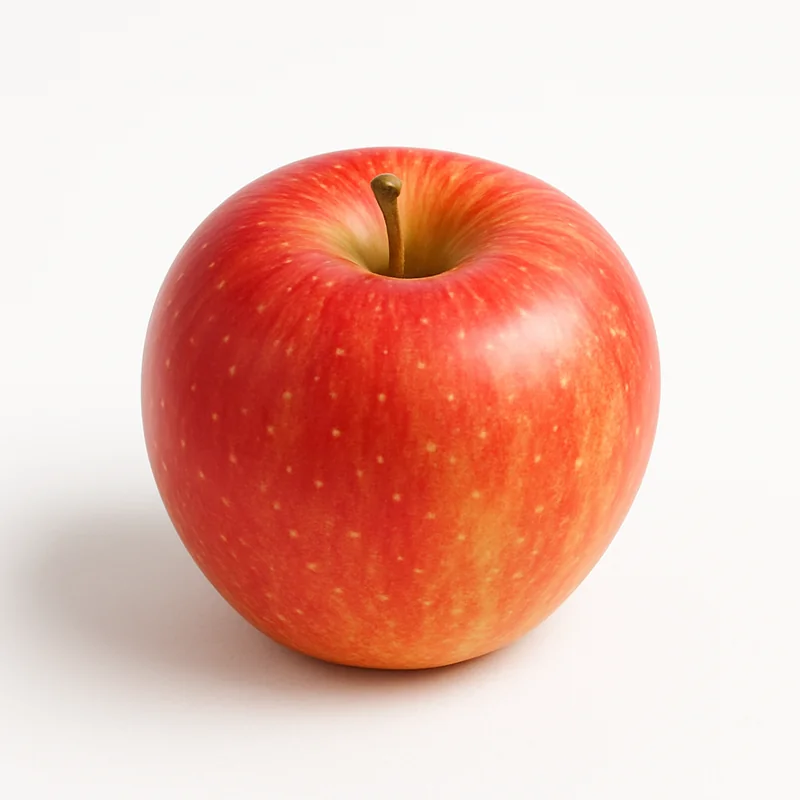
Apples
ScoreB
Apples are fiber-rich fruits containing polyphenols and pectin that support digestive health and cardiovascular function. Their diverse phytonutrient profile makes them a foundational food for longevity-focused diets.
Why Apples scores 63
% Daily Value per 1 medium (140 g)
Nutrition
per 100 g
Health benefits
Improved gut microbiome diversity and prebiotic activity
strong evidencePectin and polyphenols serve as prebiotics, selectively feeding beneficial bacteria like Faecalibacterium and Akkermansia, which produce short-chain fatty acids that strengthen the gut barrier and reduce inflammation
Enhanced cardiovascular health and reduced LDL oxidation
strong evidencePolyphenols (particularly quercetin and catechin) inhibit LDL cholesterol oxidation and reduce vascular inflammation; pectin lowers total and LDL cholesterol through bile acid sequestration
Improved blood glucose control and reduced type 2 diabetes risk
strong evidenceSoluble fiber slows gastric emptying and glucose absorption, reducing postprandial blood sugar spikes and improving insulin sensitivity over time
Neuroprotection and cognitive decline prevention
moderate evidenceQuercetin crosses the blood-brain barrier and suppresses neuroinflammation; polyphenols reduce amyloid aggregation implicated in Alzheimer's disease pathology
Enhanced weight management and satiety
moderate evidenceFiber increases digestive viscosity and stomach distension signaling, promoting satiety while pectin fermentation produces butyrate, which supports metabolic health
Pairs well with
- ·Pair with nuts (almonds, walnuts) because polyphenols enhance the bioavailability of nut polyphenols and combined fiber-protein content maximizes satiety and metabolic stability
- ·Pair with cinnamon because cinnamon's cinnamaldehyde compounds synergize with apple polyphenols to further reduce postprandial glucose spikes and enhance anti-inflammatory effects
- ·Pair with yogurt or kefir because apple pectin acts as a prebiotic substrate for the probiotic organisms in fermented dairy, maximizing beneficial bacterial colonization
- ·Pair with green tea because both are rich in catechins; combined consumption increases total polyphenol intake and supports antioxidant capacity through complementary mechanisms
- ·Pair with fatty fish (salmon) because soluble fiber enhances absorption of omega-3 fatty acids and fat-soluble vitamins while reducing postprandial triglyceride elevation
Practical tips
- ·Best timing: midday
- ·Always consume the skin: 40-80% of apple polyphenols concentrate in the peel, so peeling removes the most bioactive portion. Choose organic when possible to minimize pesticide residues on the skin
- ·Select tart varieties (Granny Smith, Pink Lady) over sweet varieties: they contain 20-30% higher polyphenol content and lower fructose, supporting better glycemic control
- ·Store in the refrigerator crisper drawer to slow ethylene production and maintain polyphenol stability; apples can remain viable for 2-3 weeks when properly stored
- ·Consume fresh apples within 1-2 hours of cutting to minimize polyphenol oxidation; if preparing in advance, toss with a small amount of lemon juice (ascorbic acid prevents browning and protects polyphenols)
- ·Eat whole apples rather than juice: whole fruit fiber dramatically slows glucose absorption, whereas juice removes insoluble fiber and concentrates natural sugars
Related foods




What is Apples actually covering?
See which nutrients your diet already delivers and which ones your supplements still need to — food and pills measured on the same scale.
Check my nutrients2 questions · free · no account needed to start
Also on iPhone — get the free app
Evidence-based supplement guides, no spam
We send a short digest when new guides drop — nothing else. No affiliate pushes, no sponsored content, unsubscribe anytime.