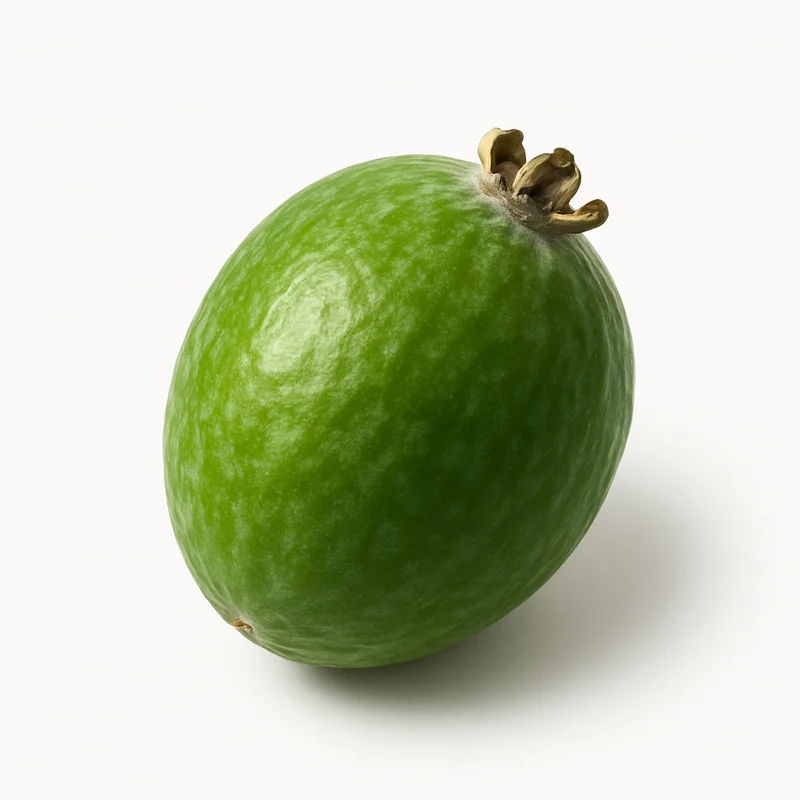
Feijoa
ScoreA
Feijoa is a subtropical fruit native to South America with a creamy, guava-like texture and exceptional fiber content, providing 6.4g per 100g along with notable vitamin C and potassium for cardiovascular and digestive health.
Why Feijoa scores 85
% Daily Value per 1 medium (140 g)
Nutrition
per 100 g
Health benefits
Supports gut microbiota diversity and colonic health through soluble fiber
strong evidenceFeijoa's high pectin and soluble fiber act as prebiotics, feeding beneficial bacteria and producing short-chain fatty acids (butyrate) that strengthen the intestinal barrier and reduce systemic inflammation
Promotes cardiovascular health through potassium and fiber-mediated lipid metabolism
moderate evidencePotassium supports vasodilation and healthy blood pressure; soluble fiber binds bile acids and cholesterol, reducing absorption and supporting HDL levels
Enhances collagen synthesis and antioxidant defense via vitamin C and polyphenols
moderate evidenceVitamin C is essential cofactor for collagen cross-linking; polyphenols like chlorogenic acid and quercetin scavenge reactive oxygen species and reduce inflammation-driven aging
Supports healthy blood glucose regulation and satiety
moderate evidenceHigh fiber content (6.4g/100g) slows gastric emptying and glucose absorption, while low glycemic load prevents insulin spikes; promotes sustained satiety
Promotes bone health through vitamin K and mineral bioavailability
emerging evidenceVitamin K activates osteocalcin for bone mineralization; acidic polyphenols enhance mineral absorption in the distal intestine
Pairs well with
- ·Pair with probiotic yogurt or kefir because the prebiotic fiber in feijoa selectively feeds beneficial lactobacilli and bifidobacteria, enhancing the probiotics' colonization
- ·Combine with fatty fish (salmon, mackerel) because fat-soluble vitamin K in feijoa skin is absorbed more efficiently with dietary fat, supporting bone mineralization
- ·Eat with leafy greens (spinach, kale) because both are rich in vitamin K and polyphenols, creating a synergistic antioxidant and anti-inflammatory effect
- ·Pair with nuts (almonds, walnuts) because healthy fats enhance polyphenol absorption and prolong satiety, while nuts provide magnesium to complement feijoa's potassium for cardiovascular health
Practical tips
- ·Best timing: Feijoa's low glycemic load and prebiotic fiber make it suitable any time of day. Mid-morning or as post-lunch snack allows digestive enzymes and microbiota optimal conditions for fiber fermentation; evening consumption aids overnight colonic butyrate production for intestinal barrier repair during sleep.
- ·Eat the skin (when organic and clean) as it contains 3-5x the polyphenol concentration compared to flesh; use firm fruit with unblemished skin
- ·Store at room temperature until soft (2-5 days), then refrigerate for up to 1 week; once ripe, consume within 2-3 days as they deteriorate quickly
- ·Cut in half lengthwise and scoop flesh with a spoon 1-2 hours before eating to minimize oxidation of polyphenols; avoid extended exposure to air
- ·Add to smoothie bowls with Greek yogurt and berries to maximize fiber synergy and microbial fermentation in the colon for enhanced short-chain fatty acid production
- ·Select fruit that yields slightly to pressure with a floral aroma; immature fruit lacks sweetness and has astringent tannins; overripe fruit loses texture quickly
Related foods
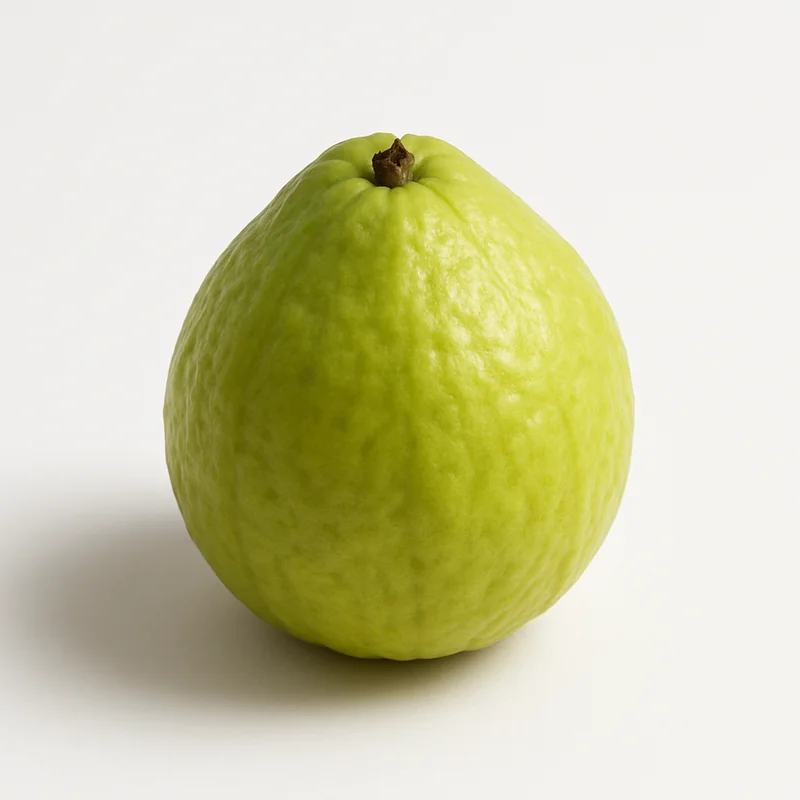
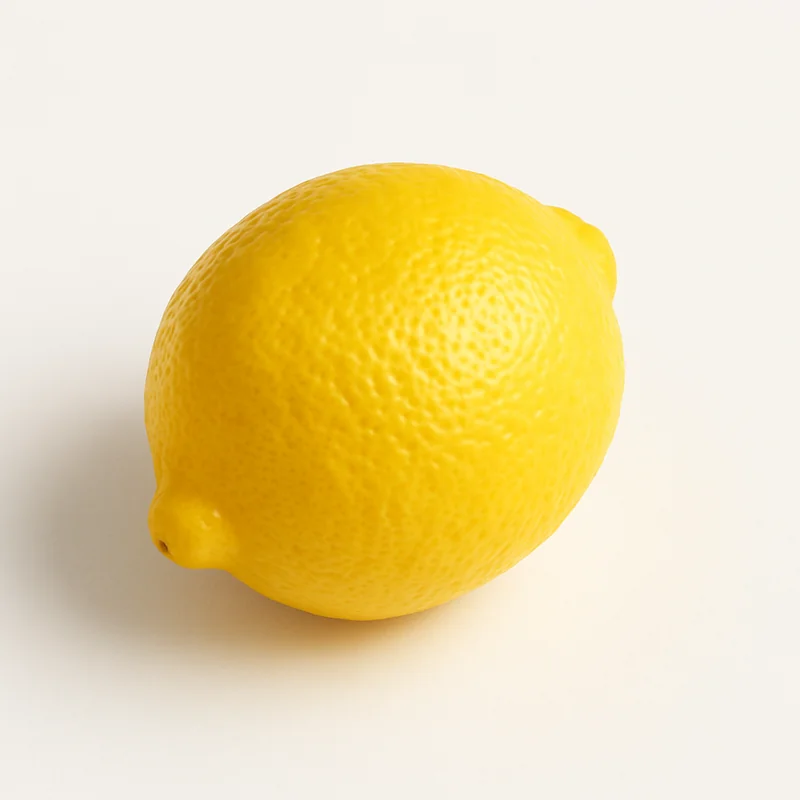
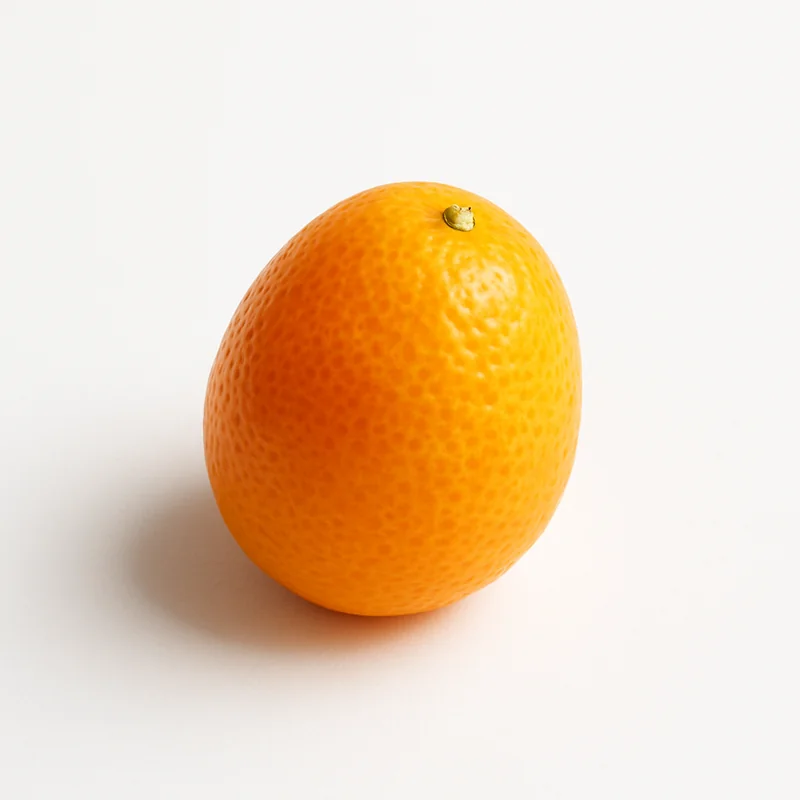

What is Feijoa actually covering?
See which nutrients your diet already delivers and which ones your supplements still need to — food and pills measured on the same scale.
Check my nutrients2 questions · free · no account needed to start
Also on iPhone — get the free app
Evidence-based supplement guides, no spam
We send a short digest when new guides drop — nothing else. No affiliate pushes, no sponsored content, unsubscribe anytime.