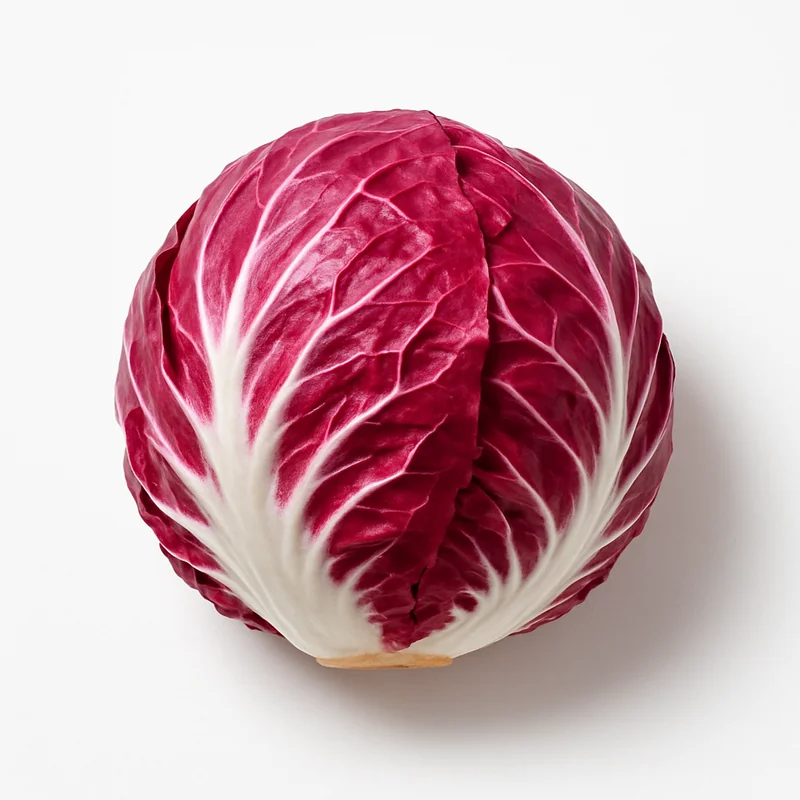
Radicchio
ScoreA+
Radicchio is a bitter cruciferous vegetable rich in polyphenols and vitamin K, offering anti-inflammatory and antioxidant properties with minimal calories.
Why Radicchio scores 95
% Daily Value per ½ cup (85 g)
Nutrition
per 100 g
Health benefits
Enhanced bone health and vascular calcification prevention
strong evidenceVitamin K activates osteocalcin and matrix Gla protein, which direct calcium to bone tissue and away from arterial walls, supporting both skeletal strength and cardiovascular health
Reduced oxidative stress and systemic inflammation
moderate evidenceAnthocyanins and phenolic acids neutralize free radicals and inhibit pro-inflammatory signaling pathways, particularly NF-κB activation
Improved insulin sensitivity and metabolic health
moderate evidenceInulin (prebiotic fiber) and polyphenols modulate gut microbiota composition and enhance insulin receptor signaling while reducing hepatic glucose production
Enhanced detoxification capacity
moderate evidenceGlucosinolates and their metabolite sulforaphane upregulate Phase II detoxification enzymes including glutathione S-transferase and NAD(P)H quinone oxidoreductase
Improved digestive and microbiome health
moderate evidenceInulin acts as a prebiotic, selectively feeding beneficial Bifidobacterium and Faecalibacterium species while bitter compounds stimulate bile and digestive secretions
Pairs well with
- ·Pair with olive oil because fat-soluble vitamin K and carotenoid absorption require lipids for micelle formation and intestinal uptake
- ·Pair with cruciferous vegetables (broccoli, Brussels sprouts) because combined glucosinolate content provides synergistic Phase II enzyme induction
- ·Pair with citrus fruits because vitamin C enhances iron bioavailability and stabilizes anthocyanins in the acidic digestive environment
- ·Pair with fermented foods (kimchi, sauerkraut) because combined polyphenols and probiotics optimize microbiome diversity and prebiotic effect
Practical tips
- ·Best timing: midday
- ·Select radicchio with firm, crisp leaves and deep burgundy coloration; avoid wilted or yellowing specimens, which indicate nutrient degradation
- ·Store unwrapped in the refrigerator's crisper drawer for up to 2 weeks; the cold preserves anthocyanin integrity and inhibits enzymatic browning
- ·Consume raw or lightly cooked (sautéed 2-3 minutes) to preserve heat-sensitive polyphenols; longer cooking reduces antioxidant potency by 15-25%
- ·Dress warm radicchio immediately with olive oil to enhance fat-soluble vitamin absorption and increase palatability of bitter compounds
- ·Rotate with other bitter greens (endive, escarole) to diversify polyphenol profiles and prevent taste fatigue while maximizing phytochemical diversity
Related foods
What is Radicchio actually covering?
See which nutrients your diet already delivers and which ones your supplements still need to — food and pills measured on the same scale.
Check my nutrients2 questions · free · no account needed to start
Also on iPhone — get the free app
Evidence-based supplement guides, no spam
We send a short digest when new guides drop — nothing else. No affiliate pushes, no sponsored content, unsubscribe anytime.