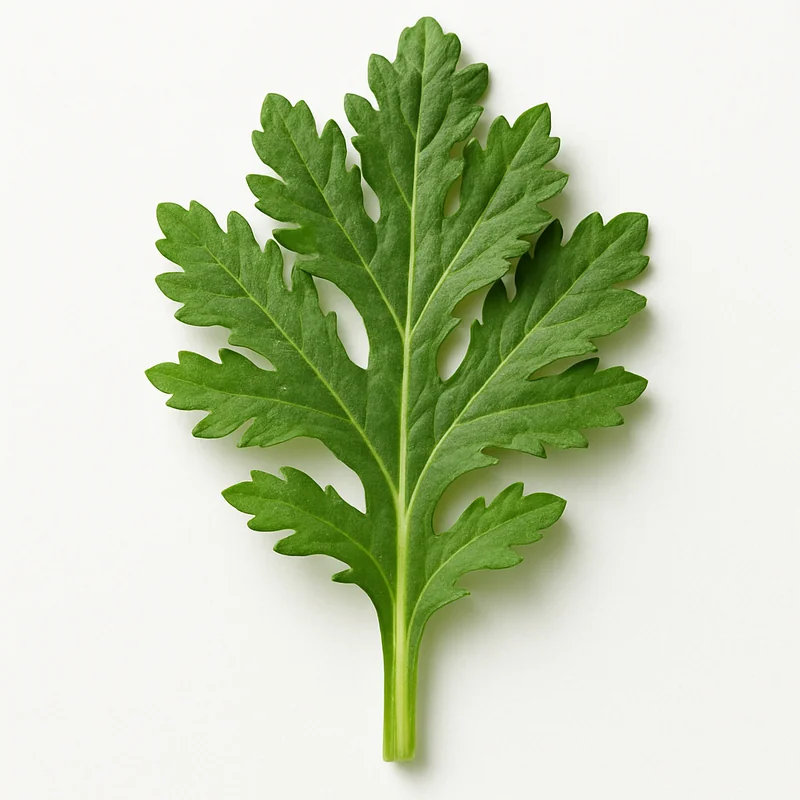
Chrysanthemum Leave
ScoreA+
Chrysanthemum leaves are a nutrient-dense leafy green vegetable rich in folate, potassium, and iron, with a distinctive slightly bitter flavor traditionally used in Asian cuisines.
Why Chrysanthemum Leave scores 90
% Daily Value per ½ cup (85 g)
Nutrition
per 100 g
Health benefits
Supports cardiovascular health through potassium-rich mineral profile
strong evidenceHigh potassium content (567 mg/100g) promotes vasodilation and sodium-potassium pump function, reducing blood pressure and supporting endothelial function without excessive sodium burden
Enhances one-carbon metabolism and DNA integrity via folate
strong evidenceFolate (177 mcg/100g) serves as a methyl donor in methylation reactions essential for DNA synthesis, repair, and epigenetic regulation—processes critical for preventing age-related genomic instability
Improves iron status and oxygen transport capacity
moderate evidenceNon-heme iron (2.3 mg) is enhanced by the presence of minimal vitamin C and phenolic compounds; adequate iron supports mitochondrial function and oxygen-dependent cellular processes
Supports gut microbiota diversity and short-chain fatty acid production
moderate evidenceDietary fiber (3g/100g) and polyphenols serve as prebiotics, feeding beneficial bacteria and promoting butyrate production linked to intestinal barrier integrity and metabolic health
Provides antioxidant and mild anti-inflammatory support
emerging evidencePolyphenolic compounds and volatile sesquiterpenes in chrysanthemum leaves exhibit antioxidant activity in vitro, potentially reducing chronic inflammation markers associated with aging
Pairs well with
- ·Pair with iron-rich sources (legumes, red meat) and vitamin C-containing foods (citrus, tomatoes) to enhance non-heme iron absorption through acidification and chelation
- ·Combine with high-quality fats (olive oil, avocado) to enhance absorption of fat-soluble vitamins and polyphenols while supporting satiety
- ·Pair with cruciferous vegetables (broccoli, cabbage) to amplify glucosinolate metabolism and create synergistic antioxidant effects across multiple phytochemical families
- ·Mix with fermented foods (miso, tempeh) to increase bioavailability of minerals like iron and calcium while supporting probiotic intake for microbiota diversity
Practical tips
- ·Best timing: As a low-glycemic, nutrient-dense vegetable, chrysanthemum leaves support steady energy and micronutrient status throughout the day. No time-dependent bioavailability constraints; inclusion in midday or evening meals aids folate intake across the full day when combined with varied meals
- ·Select chrysanthemum leaves with vibrant green color and tender stems; avoid yellowing or wilting as these indicate nutrient degradation and reduced polyphenol content
- ·Store unwashed leaves in breathable containers (paper towels in open plastic bags) at 2-4°C; use within 5-7 days to minimize folate loss from oxidation and degradation
- ·Blanch briefly (2-3 minutes) in boiling salted water before stir-frying or adding to soups to reduce oxalic acid content while preserving folate and heat-sensitive vitamin C
- ·Consume raw in salads when seeking maximum enzyme activity and vitamin C retention, but pair with healthy fats and acidic dressings to optimize mineral bioavailability
- ·If using frozen chrysanthemum leaves (common in Asian markets), thaw gently and use immediately to minimize additional nutrient loss from ice crystal damage
Related foods
What is Chrysanthemum Leave actually covering?
See which nutrients your diet already delivers and which ones your supplements still need to — food and pills measured on the same scale.
Check my nutrients2 questions · free · no account needed to start
Also on iPhone — get the free app
Evidence-based supplement guides, no spam
We send a short digest when new guides drop — nothing else. No affiliate pushes, no sponsored content, unsubscribe anytime.