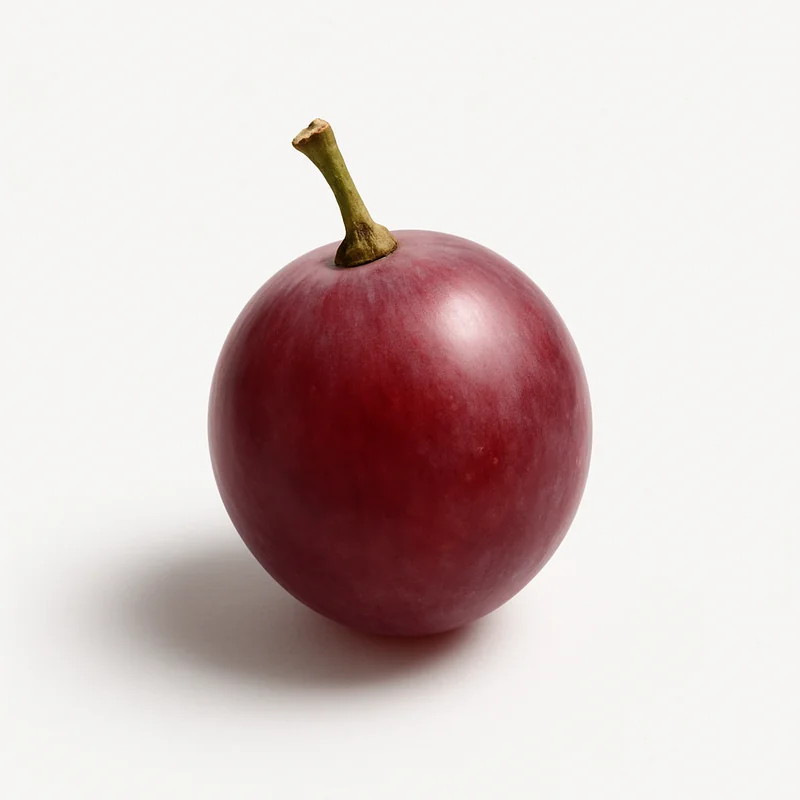
Grape
ScoreB
Grapes are nutrient-dense fruits rich in polyphenols, particularly resveratrol and anthocyanins, with a favorable carbohydrate profile and significant potassium content supporting cardiovascular health.
Why Grape scores 62
% Daily Value per 1 medium (140 g)
Nutrition
per 100 g
Health benefits
Improved vascular endothelial function and arterial elasticity
strong evidenceResveratrol and anthocyanins activate nitric oxide production in blood vessel walls, enhancing vasodilation and reducing arterial stiffness—key markers of cardiovascular aging
Enhanced cognitive function and reduced neurodegenerative risk
moderate evidencePolyphenols cross the blood-brain barrier and reduce neuroinflammation via microglial activation suppression; anthocyanins specifically protect against amyloid-beta accumulation
Reduced blood pressure and hypertension risk
moderate evidenceHigh potassium content (229 mg/100g) supports sodium-potassium pump function; resveratrol enhances endothelial relaxation and reduces vascular resistance
Improved insulin sensitivity and glucose metabolism
moderate evidencePolyphenols, particularly in grape skins, enhance insulin-signaling pathways and reduce postprandial glucose spikes through alpha-glucosidase inhibition
Enhanced antioxidant defense and reduced systemic inflammation
strong evidenceResveratrol and anthocyanins upregulate endogenous antioxidant enzymes (SOD, catalase) and inhibit NF-κB inflammatory signaling
Pairs well with
- ·Pair with nuts (almonds, walnuts) because polyphenols enhance absorption of fat-soluble compounds and nut polyphenols create synergistic antioxidant effects
- ·Combine with dark leafy greens (spinach, kale) because grape polyphenols reduce iron oxidation, improving non-heme iron bioavailability from greens
- ·Eat with yogurt or kefir because polyphenols promote beneficial Lactobacillus growth, supporting the SCFA-producing microbiome
- ·Pair with green tea because both share catechin polyphenols, creating additive anti-inflammatory and antioxidant effects with complementary absorption kinetics
Practical tips
- ·Best timing: Grapes provide sustained energy via natural sugars with minimal glycemic impact when consumed whole due to fiber and polyphenol-mediated glucose regulation. Morning consumption supports cognitive function; post-exercise consumption replenishes glycogen without hyperglycemic response. No circadian-dependent nutrient absorption limits timing.
- ·Consume whole grapes with skins and seeds rather than juice; 80% of polyphenols reside in skin and seeds, with significant loss during juice processing
- ·Choose red, purple, or black varieties over green grapes; anthocyanin content is 2-3x higher, directly correlating with antioxidant capacity
- ·Store grapes in the refrigerator in a breathable container; they maintain polyphenol integrity for 5-7 days at 4°C but lose potency rapidly at room temperature
- ·Freeze fresh grapes for a low-glycemic snack that concentrates polyphenols and extends storage; freezing ruptures cell walls, slightly increasing polyphenol bioavailability
- ·Source organic grapes when possible; conventional grape farming uses heavy pesticide loads, and peeling eliminates the polyphenol-rich skin
Related foods
What is Grape actually covering?
See which nutrients your diet already delivers and which ones your supplements still need to — food and pills measured on the same scale.
Check my nutrients2 questions · free · no account needed to start
Also on iPhone — get the free app
Evidence-based supplement guides, no spam
We send a short digest when new guides drop — nothing else. No affiliate pushes, no sponsored content, unsubscribe anytime.