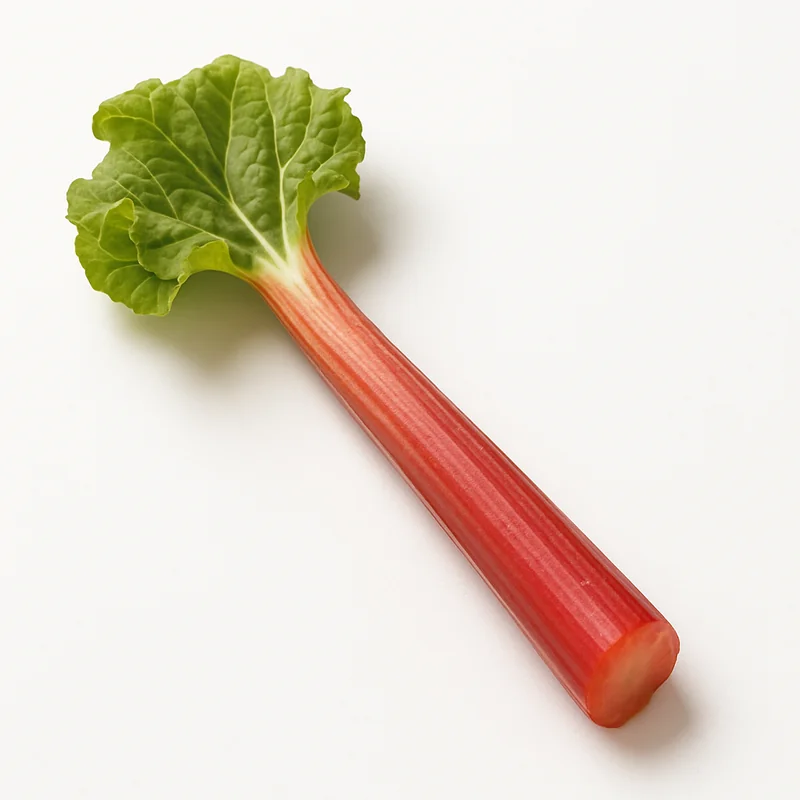
Rhubarb
ScoreA+
Rhubarb is a tart, celery-like vegetable stalk rich in fiber, potassium, and vitamin K, with minimal calories and a unique polyphenol profile supporting digestive and metabolic health.
Why Rhubarb scores 92
% Daily Value per 1 medium (140 g)
Nutrition
per 100 g
Health benefits
Supports digestive health and healthy gut microbiota composition
moderate evidenceHigh insoluble fiber content acts as a prebiotic, feeding beneficial bacteria while promoting regular bowel motility and microbial diversity
Promotes bone health through vitamin K-dependent osteocalcin activation
strong evidenceVitamin K (29.3mcg per 100g) is essential cofactor for osteocalcin carboxylation, improving bone mineralization and fracture resistance
Reduces postprandial inflammation via polyphenolic antioxidants
emerging evidenceAnthocyanins and proanthocyanidins in rhubarb suppress NF-κB signaling and reduce circulating inflammatory markers after meals
Supports cardiovascular health through potassium-mediated vasodilation
strong evidenceHigh potassium content (288mg per 100g) balances sodium, reduces arterial stiffness, and supports endothelial nitric oxide production
May improve lipid metabolism and reduce hepatic steatosis
emerging evidenceRhubarb polyphenols enhance PPARγ and LXRα signaling, improving insulin sensitivity and reducing hepatic fat accumulation in preclinical models
Pairs well with
- ·Pair with dairy (yogurt, milk, cheese) because calcium in dairy binds oxalic acid, reducing bioavailability concerns and improving mineral absorption
- ·Combine with ginger or turmeric because these spices enhance polyphenol bioavailability and synergize anti-inflammatory effects
- ·Pair with cinnamon because cinnamon improves postprandial glucose control, moderating rhubarb's small carbohydrate load when consumed as a sweetened preparation
- ·Combine with berries (strawberries, blueberries) because complementary polyphenol profiles create broader antioxidant coverage and enhance anthocyanin absorption through diverse phenolic synergy
Practical tips
- ·Best timing: Rhubarb's low glycemic load and high fiber make it suitable throughout the day; however, post-meal consumption with other foods optimizes polyphenol bioavailability and minimizes any oxalic acid concerns through dietary calcium binding
- ·Cook rhubarb to reduce oxalic acid content by 30-50%, making it safer for those with kidney stone history or hyperoxaluria while retaining fiber and polyphenols
- ·Select bright red or pink stalks, avoiding yellowed or limp specimens; store in refrigerator wrapped in plastic for up to 3 weeks
- ·Prepare without added sugar or use minimal amounts with other polyphenol-rich sweeteners like monk fruit; the tart flavor profile naturally discourages over-consumption
- ·Consume rhubarb cooked in preparations like compotes or stewed dishes rather than raw to maximize polyphenol extraction and improve digestibility
- ·Aim for 50-100g servings (roughly 1-2 stalks) as part of a mixed vegetable intake; excessive consumption increases oxalic acid intake unnecessarily
Related foods
What is Rhubarb actually covering?
See which nutrients your diet already delivers and which ones your supplements still need to — food and pills measured on the same scale.
Check my nutrients2 questions · free · no account needed to start
Also on iPhone — get the free app
Evidence-based supplement guides, no spam
We send a short digest when new guides drop — nothing else. No affiliate pushes, no sponsored content, unsubscribe anytime.