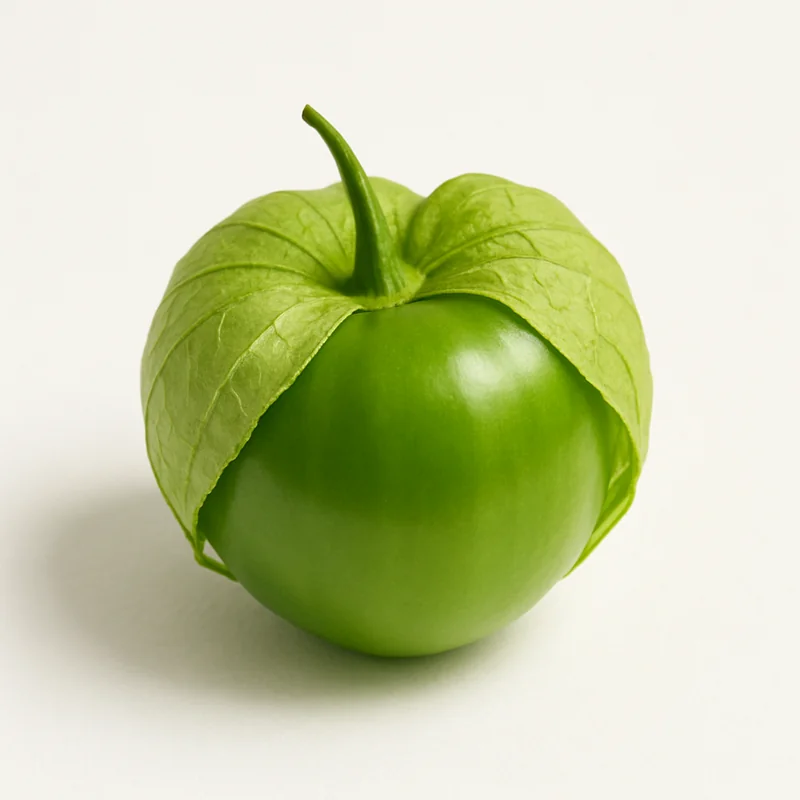
Tomatillo
ScoreA+
Tomatillo is a low-calorie, nutrient-dense green fruit related to tomatoes, rich in vitamin C and potassium with a unique phytochemical profile that supports metabolic health.
Why Tomatillo scores 90
% Daily Value per ½ cup (85 g)
Nutrition
per 100 g
Health benefits
Supports cardiovascular health and blood pressure regulation
strong evidenceHigh potassium content (268mg/100g) helps maintain sodium-potassium balance and supports vasodilation, while chlorogenic acid reduces oxidative stress in vascular tissue
Enhances antioxidant defense and immune function
moderate evidenceVitamin C boosts glutathione synthesis and collagen cross-linking; chlorogenic acid and other polyphenols neutralize free radicals and reduce systemic inflammation
Promotes glycemic control and metabolic health
moderate evidenceLow glycemic index, high fiber content slows glucose absorption; chlorogenic acid may improve insulin sensitivity by inhibiting glucose-6-phosphatase
Supports cognitive and liver function via choline and polyphenols
moderate evidenceCholine serves as a precursor for acetylcholine and phosphatidylcholine, supporting neuronal signaling; chlorogenic acid supports hepatic detoxification pathways
Aids gut microbiome health and short-chain fatty acid production
emerging evidenceDietary fiber and polyphenols are fermented by beneficial bacteria, producing butyrate and other SCFAs that strengthen the intestinal barrier
Pairs well with
- ·Pair with lime and cilantro because citric acid enhances chlorogenic acid bioavailability and cilantro's phytochemicals create synergistic antioxidant effects
- ·Combine with avocado because healthy fats increase absorption of fat-soluble micronutrients and enhance polyphenol stability
- ·Pair with garlic and onion because allicin and quercetin synergize with tomatillo polyphenols for enhanced anti-inflammatory and antimicrobial activity
- ·Mix with leafy greens (spinach, arugula) because vitamin C in tomatillo enhances non-heme iron absorption from greens
- ·Combine with fermented foods (sauerkraut, miso) because probiotics optimize polyphenol metabolism and increase short-chain fatty acid production
Practical tips
- ·Best timing: Tomatillos are low in sugar and high in fiber, making them suitable for any meal; however, inclusion at lunch or dinner with protein and fat optimizes polyphenol absorption and metabolic impact
- ·Select firm tomatillos with unblemished skin and green color; firm texture indicates optimal phytochemical density before ripening
- ·Consume raw or lightly cooked to preserve heat-sensitive vitamin C and maximize chlorogenic acid content—extended cooking degrades these compounds
- ·Store unwashed in refrigerator in a paper bag for up to 2 weeks; moisture promotes mold growth, so avoid plastic bags
- ·Use the whole fruit including the flesh and skin; polyphenols concentrate in the outer layers rather than seeds
- ·Prepare fresh salsa or raw preparations at least 2-3 times weekly; the phytochemical profile is most bioactive within hours of preparation
Related foods
What is Tomatillo actually covering?
See which nutrients your diet already delivers and which ones your supplements still need to — food and pills measured on the same scale.
Check my nutrients2 questions · free · no account needed to start
Also on iPhone — get the free app
Evidence-based supplement guides, no spam
We send a short digest when new guides drop — nothing else. No affiliate pushes, no sponsored content, unsubscribe anytime.