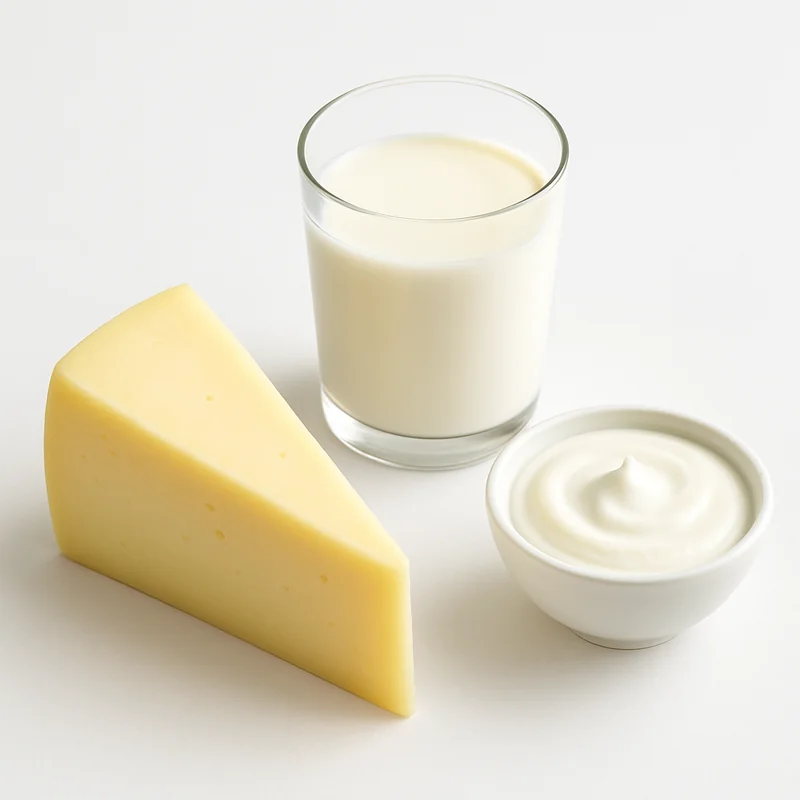
Provolone Cheese
ScoreC
Provolone is a semi-hard Italian cheese made from cow's milk, offering substantial protein, calcium, and bioactive compounds including conjugated linoleic acid (CLA) and vitamin K2, which support bone health and cardiovascular function.
Why Provolone Cheese scores 56
% Daily Value per 1 oz (30 g)
Nutrition
per 100 g
Health benefits
Supports bone density and skeletal health through calcium and vitamin K2 bioavailability
strong evidenceCalcium provides structural support for bones while vitamin K2 (menaquinone) activates osteocalcin proteins necessary for binding calcium to bone matrix, enhancing mineralization
Preserves lean muscle mass and supports protein synthesis in aging adults
moderate evidenceComplete protein profile containing all nine essential amino acids stimulates mTOR pathway and myofibrillar protein synthesis, countering age-related sarcopenia
May reduce systemic inflammation through conjugated linoleic acid (CLA) content
moderate evidenceCLA activates peroxisome proliferator-activated receptors (PPARs), modulating immune response and reducing pro-inflammatory cytokine production
Supports cardiovascular health by preventing arterial calcification via vitamin K2
moderate evidenceVitamin K2 carboxylates matrix Gla-protein (MGP), preventing calcium deposition in arterial walls while directing calcium to bone
Enhances calcium absorption and mineral bioavailability through fermentation
emerging evidenceLactic acid fermentation lowers pH and increases mineral solubility, while proteolysis produces bioactive peptides that enhance nutrient absorption
Pairs well with
- ·Pair with leafy greens (spinach, kale) because both provide vitamin K; the fat in provolone enhances fat-soluble K absorption for bone health
- ·Combine with tomatoes because lycopene absorption increases with dietary fat from cheese, supporting cardiovascular protection and reducing oxidative stress
- ·Pair with whole grain bread because fiber slows digestion, moderating sodium and fat absorption while supporting stable glucose response
- ·Combine with olive oil and herbs (oregano) because polyphenols in olive oil enhance anti-inflammatory effects of CLA and fat-soluble bioactive absorption
Practical tips
- ·Best timing: midday
- ·Store provolone in the coldest part of refrigerator (32-35°F) wrapped in parchment paper to maintain flavor complexity; aged varieties develop deeper nutritional profiles over weeks
- ·Select aged provolone (6+ months) over fresh varieties—longer fermentation increases vitamin K2 concentration and reduces lactose while concentrating beneficial compounds
- ·Consume portion-controlled servings (1-1.5 oz/30-45g) to manage sodium intake and calories while obtaining protein and bioactive benefits
- ·Serve at room temperature 15-20 minutes before eating to enhance flavor perception and bioactive compound availability compared to cold consumption
Related foods
What is Provolone Cheese actually covering?
See which nutrients your diet already delivers and which ones your supplements still need to — food and pills measured on the same scale.
Check my nutrients2 questions · free · no account needed to start
Also on iPhone — get the free app
Evidence-based supplement guides, no spam
We send a short digest when new guides drop — nothing else. No affiliate pushes, no sponsored content, unsubscribe anytime.