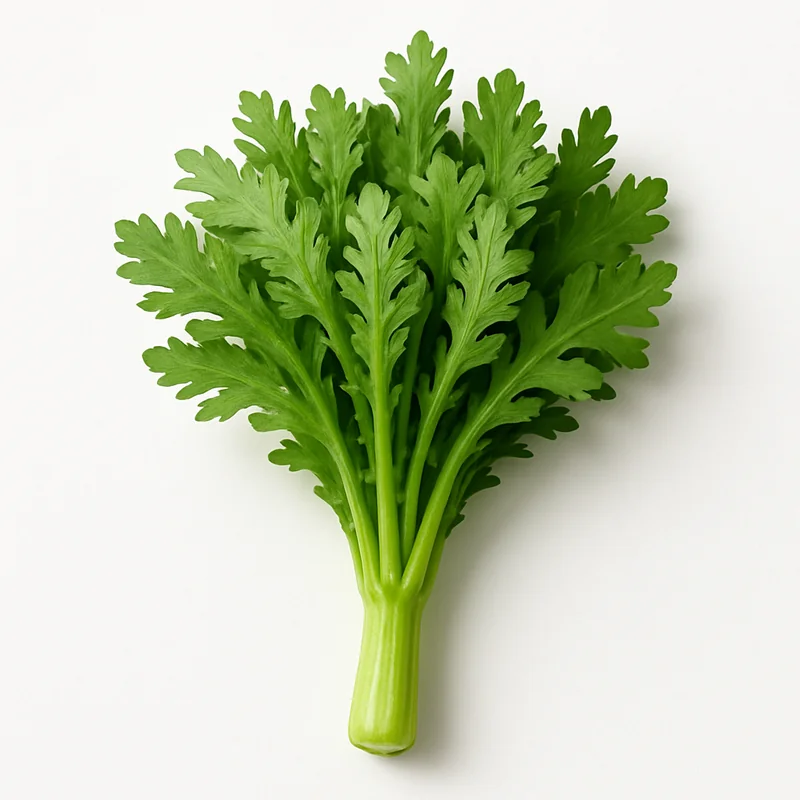
Chrysanthemum
ScoreA+
Chrysanthemum is a leafy green vegetable rich in vitamin K, potassium, and folate, commonly used in Asian cuisines for both culinary and traditional wellness applications.
Why Chrysanthemum scores 91
% Daily Value per ½ cup (85 g)
Nutrition
per 100 g
Health benefits
Enhanced bone health and reduced fracture risk
strong evidenceExceptionally high vitamin K concentration activates osteocalcin and matrix Gla-protein, proteins essential for bone mineralization and calcium binding in the bone matrix
Improved vascular endothelial function and blood pressure regulation
moderate evidenceHigh potassium supports sodium-potassium pump function and arterial elasticity; vitamin K activates matrix Gla-protein to prevent vascular calcification
Support for homocysteine metabolism and cardiovascular health
strong evidenceFolate (177 mcg) serves as a critical methyl donor in homocysteine remethylation, reducing circulating homocysteine levels linked to atherosclerosis risk
Enhanced iron absorption and red blood cell production
moderate evidenceIron content paired with vitamin C and organic acids improves non-heme iron bioavailability; folate supports erythropoiesis and prevents iron-related anemia
Anti-inflammatory support through polyphenolic compounds
emerging evidenceChrysanthemum contains flavonoids and sesquiterpenes that modulate NF-κB inflammatory signaling pathways
Pairs well with
- ·Pair with citrus (lemon, orange) or tomato because vitamin C dramatically enhances non-heme iron absorption from chrysanthemum's 2.29 mg iron content
- ·Combine with olive oil or avocado because fat-soluble vitamin K requires dietary fat for optimal absorption and transport
- ·Pair with garlic or ginger because their polyphenols have additive anti-inflammatory effects and enhance nutrient bioavailability
- ·Mix with legumes (lentils, chickpeas) because the combination creates a complete amino acid profile while chrysanthemum's folate supports legume protein metabolism
Practical tips
- ·Best timing: midday
- ·Select chrysanthemum with vibrant green color and firm texture; avoid yellowed or wilted leaves which indicate nutrient degradation and oxidative damage
- ·Lightly blanch or brief stir-fry (2-3 minutes) rather than prolonged cooking to preserve heat-sensitive folate while maintaining vitamin K stability
- ·Store in refrigerator crisper drawer wrapped in damp paper towel; use within 3-4 days as leaves lose nutrient density rapidly post-harvest
- ·Consume the tender leaf tips raw or lightly cooked, as they contain higher polyphenol concentrations than mature stems
- ·Rinse thoroughly under running water before consumption, as the delicate leaves can harbor soil particles and potential pathogens given their texture
Related foods
What is Chrysanthemum actually covering?
See which nutrients your diet already delivers and which ones your supplements still need to — food and pills measured on the same scale.
Check my nutrients2 questions · free · no account needed to start
Also on iPhone — get the free app
Evidence-based supplement guides, no spam
We send a short digest when new guides drop — nothing else. No affiliate pushes, no sponsored content, unsubscribe anytime.